

Playa del Carmen is one of the easiest places in the Riviera Maya to use as a real town rather than a sealed resort destination.
You can walk from an apartment to breakfast, continue to the beach, take a ferry to Cozumel, catch an ADO coach, eat tacos several blocks away from the tourist strip, and return without arranging a private driver for every movement. That practical freedom is Playa's main advantage over much of the coast.
It is also a place that is frequently misunderstood.
Playa del Carmen is no longer a small fishing village. It is a fast-growing city of more than 300,000 people, a major tourism hub, a regional transport centre, a cruise-service port, and a base for residents from across Mexico and abroad. The beachfront core can feel compact and holiday-oriented, but the wider city stretches far beyond Quinta Avenida. Traffic, construction, beach erosion, sargassum, nightlife noise, taxi pricing, and uneven sidewalks are part of the experience alongside the Caribbean water and walkable restaurant scene.
This guide explains how Playa del Carmen actually works: which neighbourhoods suit different trips, where the beaches are strongest and weakest, how to arrive, how to move around, what daily life costs, which day trips make sense, and when another Riviera Maya base would serve you better.
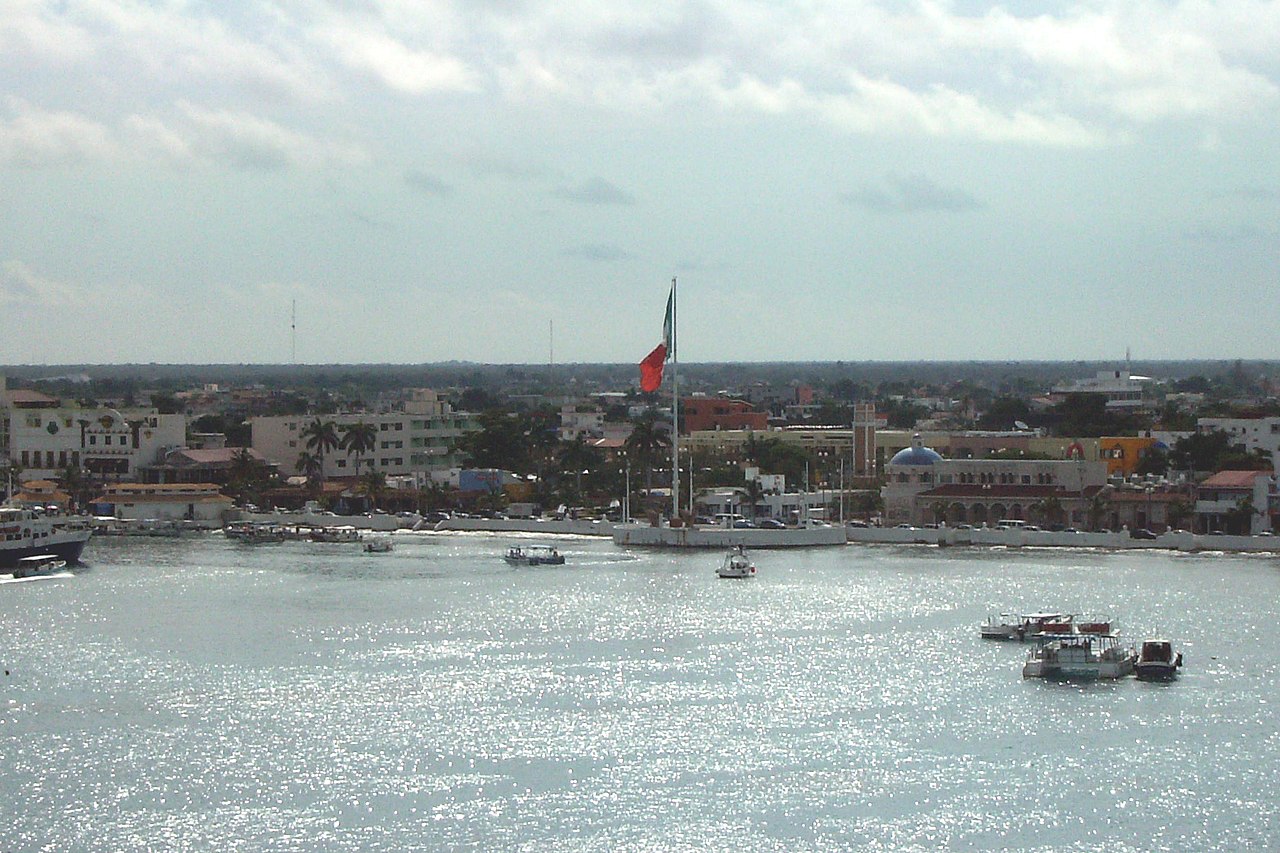
 Aerial view of Playa del Carmen and the Caribbean coast
The useful part of Playa del Carmen is not only the beach. The city, ferry pier, transport routes and restaurant districts sit close enough together to make independent travel practical. Photo: dronepicr/Wikimedia Commons, CC BY 2.0.
Playa del Carmen quick planning guide
| Question | Practical answer |
|---|---|
| Is Playa del Carmen worth visiting? | Yes, particularly for travellers who value walkability, restaurants, nightlife, transport links and varied day trips |
| Best for | First-time Riviera Maya trips, independent travellers, couples, groups, food-focused trips and visitors planning Cozumel |
| Less suitable for | People seeking an isolated beach retreat, guaranteed quiet or a consistently pristine urban beach |
| Best all-round area | Central Playa between Avenida 10 and Avenida 30, roughly from Calle 2 to Calle 40 |
| Best for nightlife | Central Playa near Calles 10–12, though sleeping directly beside the clubs is rarely wise |
| Best for quieter central stays | Northern Centro and Zazil-Ha, especially several blocks back from the beach |
| Best for families | Playacar, a calm central apartment, or a carefully chosen family resort outside town |
| Best for long stays | Zazil-Ha, northern Centro, Ejidal or residential areas with good supermarket access |
| Best city beach | Conditions vary; Playacar and northern public beaches are often more comfortable than the ferry zone |
| Best local public beach | Punta Esmeralda, especially for families, although facilities and water conditions should be checked |
| Main beach risk | Sargassum, erosion, boat traffic and rapidly changing sand conditions |
| Best airport | Cancún International Airport for most Playa trips |
| Tulum Airport useful? | Usually less convenient for Playa than Cancún, despite serving the same broader region |
| Airport transfer time | Commonly about 55–80 minutes from Cancún Airport, depending on traffic and terminal stops |
| Rental car needed? | No for central Playa; useful for cenotes, beaches outside town and inland day trips |
| Best trip length | Five to seven nights for a first visit |
| Best weather balance | Late November through early April |
| Sargassum risk | Usually greater in warmer months, but arrivals can begin early and vary week by week |
| Currency | Mexican peso; paying in pesos is normally better than accepting a merchant's conversion |
| Can you walk? | Yes in the central grid, but heat, broken pavements and traffic make short distances feel longer |
| Ferry access | Passenger ferries to Cozumel leave beside Parque Fundadores in central Playa |
| Best planning rule | Choose the neighbourhood before choosing the hotel |

Table of contents
- What Playa del Carmen is really like
- Is Playa del Carmen worth visiting?
- Who Playa del Carmen suits
- How the city is laid out
- How many days to spend
- When to visit
- Sargassum and changing beach conditions
- How to reach Playa del Carmen
- Getting around
- Where to stay
- Playa del Carmen neighbourhood guide
- Hotels, apartments or all-inclusive resorts?
- Beaches in Playa del Carmen
- Best things to do
- Cenotes near Playa del Carmen
- Cozumel from Playa del Carmen
- Best day trips
- Food and restaurants
- Nightlife
- Shopping
- Playa del Carmen with children
- Couples, solo travellers and groups
- Long stays and remote work
- Accessibility
- Costs and budgeting
- Money, cards and tipping
- Safety and common problems
- Health and travel insurance
- What to pack
- Suggested itineraries
- Booking timeline and final checks
- Common planning mistakes
- Responsible travel
- Frequently asked questions
- The bottom line
What Playa del Carmen is really like
Playa del Carmen sits near the middle of the Riviera Maya corridor, between Cancún and Tulum. Highway 307 runs along the western side of the central city. The Caribbean lies to the east. The original tourism core occupies the walkable grid between the highway and the sea, with Quinta Avenida running north–south a short distance inland from the beach.
That simple geography is the reason Playa works.
In central Playa, several parts of a trip can happen without a car:
- the Cozumel ferry terminal;
- two ADO coach terminals;
- restaurants across several price levels;
- supermarkets and convenience stores;
- public beach entrances;
- dive shops and tour agencies;
- bars and clubs;
- pharmacies, laundries and everyday services;
- bicycle routes and taxi ranks.
The town feels markedly different depending on where you stand.
Around Parque Fundadores, the ferry pier and the southern end of Quinta Avenida, Playa is busy, commercial and constantly moving. Day-trippers arrive with luggage. Ferry passengers cross the square. Tour sellers compete for attention. Performances take place around the Portal Maya sculpture. The beach is active but not especially restful.
Around Calles 10 and 12, the atmosphere shifts towards nightlife. Music escapes from clubs and rooftop venues late into the night. The area is convenient for people who actively want that scene and frustrating for light sleepers who booked it because a map showed the hotel was close to the beach.
Further north, around Calle 28, Calle 38 and Zazil-Ha, Playa remains visitor-friendly but usually feels less compressed. There are beach clubs, cafés, restaurants, apartments and construction projects mixed together. The farther you move from Quinta Avenida, the more the city becomes residential and practical.
West of the highway, Playa is a large working city. Most residents do not live beside the sea. Neighbourhoods extend inland with schools, markets, shopping centres, clinics, apartment developments and ordinary traffic. Travellers staying there can find better value, but the holiday becomes less walkable and more dependent on taxis, buses or bicycles.
Playa is therefore neither an authentic untouched beach town nor a self-contained resort strip. It is a tourism city with a useful centre.
That distinction matters. Visitors who arrive expecting a quiet coastal village may find the development intense. Visitors who expect a rigid hotel zone often appreciate how easy it is to leave their accommodation and use the city independently.
Is Playa del Carmen worth visiting?
For most first-time Riviera Maya visitors, Playa del Carmen is worth serious consideration as a base.
Its strongest case is logistical rather than purely scenic. The city gives you access to several different trips without forcing you to change hotels:
- Cozumel by passenger ferry;
- cenotes south and inland;
- Tulum by coach, colectivo, tour or car;
- Puerto Morelos and Cancún to the north;
- Akumal and Xpu-Há to the south;
- Xcaret, Xplor and other commercial parks;
- Valladolid and Chichén Itzá on long inland days;
- reef diving and seasonal bull-shark diving;
- restaurants and nightlife every evening.
The main weakness is that central Playa's beach is not reliably the best beach in the region.
Some stretches are narrow. Sand can erode or return after storms. Boat lanes and ferry activity affect the southern centre. Sargassum can arrive in large quantities. Beach clubs clean sections unevenly. A hotel described as beachfront may face a usable swimming beach during one month and a narrow, seaweed-heavy strip during another.
That does not make Playa a poor beach destination. It means the beach should be treated as one part of the trip rather than the only reason to come.
Playa is particularly good when the plan includes movement. A traveller who wants breakfast in town, a cenote day, a ferry day, a beach morning, several independent dinners and one longer excursion can use the city efficiently.
It is less compelling when the goal is to stay in one room, step onto the finest possible sand every morning, and hear very little beyond the sea. A well-chosen resort in Playacar, Maroma, Xpu-Há or another quieter coastal zone may suit that trip better.
The strongest reasons to choose Playa
It is walkable by Riviera Maya standards. Central Playa is one of the few places on the coast where a visitor can realistically eat, shop, reach transport and go to the beach without a vehicle.
It has the best all-round transport connections. Coaches, colectivos, taxis, tours, ferries and rental cars are all available. No single option reaches everything, but the combination is useful.
It has a real restaurant range. You can spend heavily on tasting menus and beach clubs, but you can also eat tacos, seafood, Yucatecan dishes and Mexican breakfasts away from Quinta Avenida.
It works for mixed groups. One person can dive, another can use a beach club, and others can take a food tour or visit Cozumel without moving the whole group to a remote resort.
It makes weather disruption easier to manage. A poor beach morning does not eliminate the day. Cenotes, food, shopping, a spa, an inland excursion or a change of coast remain possible.
The strongest reasons not to choose Playa
The centre can be noisy. Club zones, construction, traffic, delivery vehicles and late-night crowds matter more than hotel descriptions often admit.
The beach is inconsistent. Playa's convenience is more reliable than its sand.
It can feel heavily commercial. Quinta Avenida is useful for orientation and evening walks, but it is not a quiet expression of local life.
Taxi costs add up outside the centre. A discounted hotel several kilometres away can cost more overall once every dinner and beach visit requires a car.
The city is hot and busy. The flat street grid looks easy on a map, but midday walking in humid weather can be tiring.
GuidePunta Esmeralda Playa del Carmen Guide: Swimming, Access and Practical TipsPlan a practical beach day at Punta Esmeralda in northern Playa del Carmen, with advice on access, swimming, sargassum, facilities, families and inclusive beach services.OpenWho Playa del Carmen suits
Playa works well for first-time visitors
The city offers enough tourism infrastructure to make arrival manageable without eliminating independent choice. English is common in major hotels, tour agencies and restaurants, yet basic Spanish remains useful. Pharmacies, supermarkets and transport are easy to find. Visitors can begin with organised excursions and become more independent as they understand the area.
Playa works well for travellers without a car
A central stay removes the need to drive for ordinary days. You can use coaches for major towns, colectivos for some corridor journeys, a ferry for Cozumel, and tours for awkward attractions. This does not make every trip effortless, but it provides more options than a resort corridor address.
Playa works well for food-focused trips
The restaurant scene extends beyond tourist menus. Regional Mexican cooking, seafood, tacos, international kitchens, bakeries, cafés and higher-end restaurants are spread through the centre and inland neighbourhoods. The quality-to-price ratio generally improves as you move away from the most visible blocks of Quinta Avenida.
Read the separate best restaurants in Playa del Carmen guide when choosing specific places; restaurant locations and opening days change too quickly for a pillar guide to act as a permanent directory.
Playa works well for divers
The city has a large dive industry. Local reef trips leave from the mainland, cenote dives operate inland, and Cozumel is reached by ferry. Certified divers can build a varied week without relocating, although serious Cozumel divers may prefer spending several nights on the island.
Playa works well for groups with different budgets
Hostels, simple hotels, apartments, boutique properties and high-end resorts all exist within the same broader city. A group can meet centrally without every traveller booking the same accommodation style.
Playa can work for families
The key is choosing the right area and accepting that central sidewalks are imperfect. Families often do well in Playacar, a quieter apartment with a kitchen, or a family resort with simple transfer arrangements. Staying directly above nightlife is an avoidable mistake.
Playa can work for long stays
Supermarkets, laundries, gyms, clinics, coworking options and residential rentals make daily life easier than in smaller coastal settlements. Long-stay visitors should prioritise noise, internet reliability, kitchen quality and supermarket access over being one block from Quinta Avenida.
Playa is less suitable for travellers seeking solitude
Even quieter central areas remain part of a growing city. Deliveries begin early, construction can appear beside a rental, and beach access concentrates people into particular points. A smaller town or remote resort will generally feel calmer.
Playa is less suitable for travellers who want a guaranteed beach-first holiday
No open Caribbean beach can be guaranteed, but the combination of sargassum, erosion and urban pressure is especially important in Playa. Travellers unwilling to compromise on the beach should choose accommodation only after reviewing recent shoreline reports and should consider a resort with substantial beach-management resources.
How the city is laid out
Understanding Playa's grid prevents many accommodation mistakes.
The sea, avenues and streets
The Caribbean is east. Highway 307 is west of the central district.
Avenues generally run north–south. Streets, usually called calles, run east–west towards the beach.
Quinta Avenida means Fifth Avenue. It is the long pedestrian spine through the visitor centre. Avenida 10, Avenida 15, Avenida 20 and Avenida 30 sit progressively farther inland. Avenida 30 is important because it carries more local traffic and places you near larger supermarkets, inexpensive restaurants and everyday services.
Street numbers increase as you move north. Calle 2 and Parque Fundadores are near the ferry terminal. Calles 10–12 contain the main club zone. Calle 28 leads towards Mamitas. Calle 38 is known for a landscaped restaurant corridor. CTM and Calle 48 mark the northern edge of the most intensely visited central area, though development continues well beyond it.
What “Centro” means on a booking site
Centro is not a single atmosphere.
A room near Calle 2 is different from one near Calle 38. A hotel between Quinta Avenida and the sea is different from an apartment near Avenida 30. Both may use “Centro” in the address.
When comparing accommodation, inspect four things:
- the exact cross streets;
- the walking route to the beach, not only straight-line distance;
- proximity to Calles 10–12 and rooftop venues;
- recent reviews mentioning construction or night noise.
The highway divide
Highway 307 is not an attractive pedestrian boundary. Some crossings are controlled, but traffic is fast and the road divides the beach-oriented centre from inland districts. A rental west of the highway may be inexpensive and comfortable, yet it should not be marketed to yourself as a beach apartment.
Staying inland works when you are comfortable using taxis, local transport or a bicycle and when the saving is meaningful. It works less well for a short holiday built around walking to the sea several times a day.
Resort addresses outside the city
Some hotels use “Playa del Carmen” because it is the nearest recognised destination even when they sit along the highway well outside the urban centre.
A resort 15 or 25 kilometres away is not a central Playa hotel. You may need a taxi or private transfer for every trip into town. The resort may be excellent, but it produces a different holiday.
Check the map carefully when a listing uses phrases such as:
- Riviera Maya, Playa del Carmen;
- Playa del Carmen area;
- near Playa del Carmen;
- Carretera Federal 307;
- Playa del Carmen–Cancún highway;
- Playa del Carmen–Tulum highway.
The words “Playa del Carmen” in a postal address do not guarantee urban walkability.
How many days to spend
One day
A single day gives you a useful introduction, not a full Playa experience.
A sensible plan is to walk from Parque Fundadores along Quinta Avenida, have lunch away from the busiest blocks, spend part of the afternoon on a central or Playacar beach, and stay for dinner. Do not combine a rushed city walk, a full Cozumel crossing and several cenotes in one day.
Two or three nights
Three nights work for a short stop within a wider Yucatán Peninsula trip.
A realistic structure is:
- one Playa town and beach day;
- one Cozumel, cenote or Tulum day;
- one flexible half-day before departure.
This is enough to understand the city but not enough to use it as a base for multiple long excursions.
Five nights
Five nights are strong for a first visit when sightseeing matters more than resort rest.
You can include:
- one local beach and town day;
- one cenote day;
- one Cozumel day;
- one Tulum, Akumal or eco-park day;
- one flexible or food-focused day.
Seven nights
Seven nights are the best balance for many visitors.
The week can absorb a poor-weather day, sargassum changes or simple fatigue. You can schedule two substantial excursions without turning every morning into an early departure.
Ten nights or more
A longer stay makes sense for divers, remote workers, families and travellers who want a slower rhythm. It also allows a split trip: several nights in Playa followed by Cozumel, Valladolid, Tulum or a resort.
Changing hotels is useful only when the second base changes the experience. Moving from one central Playa hotel to another rarely justifies the lost time. Moving from Playa to Cozumel or Valladolid can.
When to visit
 Beach in Playa del Carmen, Quintana Roo
Early mornings are often the most comfortable time for walking and beach plans. Photo: Wikimedia Commons.
Playa del Carmen is warm throughout the year, but “warm” does not mean each month feels the same.
Late November to February
This is usually the most comfortable period for walking and day trips. Days are warm, evenings can feel comparatively fresh, humidity is lower than in summer, and prolonged heavy rain is less common.
The trade-off is demand. Christmas, New Year, school holidays and winter escape travel push up accommodation prices. Popular restaurants and tours fill earlier. Occasional nortes can bring wind, cloud and choppier seas.
March and April
March and early April often provide strong weather, with warmer sea temperatures and generally manageable humidity. Spring-break periods and Easter can create crowd and price spikes. Mexican Easter travel is particularly important; domestic demand can fill beaches, buses and hotels.
Sargassum risk may begin increasing during this period. It does not follow a precise annual switch, so historical averages should not replace current reports.
May and June
Heat and humidity become more noticeable. Afternoon storms are more likely, though rain often arrives in bursts rather than occupying an entire day. Sargassum can become a major planning factor.
This period can offer better room rates outside holiday weekends, but travellers should choose accommodation with flexible cancellation and should plan non-beach alternatives.
July and August
Summer is hot, humid and busy with family travel. The sun is intense, and a midday walking plan that looks reasonable on paper can become exhausting.
Sargassum can be heavy. Tropical weather systems can disturb ferry and boat operations. Families should build rest and shade into the day rather than treating every hour as usable sightseeing time.
September and October
These months commonly bring the greatest weather uncertainty. Prices may be attractive, but rain, tropical systems and hurricane disruption require flexibility. Some businesses reduce hours or close temporarily for maintenance during quieter periods.
A trip can still work, particularly for repeat visitors who understand the trade-offs. It is not the period to choose when the entire holiday depends on a precise series of boat days.
Early November
Early November can be transitional. Weather may improve, visitor numbers may remain moderate, and Día de Muertos events can add cultural interest. Conditions vary year to year.
Sargassum and changing beach conditions
Sargassum is floating brown seaweed that can arrive along the Mexican Caribbean in large volumes. Offshore, it forms part of a marine ecosystem. On shore, heavy accumulations can cover sand, cloud the shallows and produce a strong sulphurous smell as they decompose.
Playa del Carmen is exposed to sargassum. No honest guide should promise otherwise.
The difficult part is that conditions are local and change quickly. One beach can be heavily affected while another section several kilometres away is manageable. Wind direction, currents, offshore blooms, cleanup crews, barriers and the shape of the coastline all matter.
The traditional higher-risk period falls in warmer months, but arrivals increasingly occur outside older seasonal expectations. In 2026, large quantities appeared unusually early across the Mexican Caribbean, reinforcing why recent reports matter more than a generic month-by-month chart.
Read the dedicated Riviera Maya sargassum guide before a beach-focused trip.
How to plan around sargassum
Check recent photographs, not old promotional images. Search for posts from the previous 24–72 hours. Beach groups and local monitoring pages are more useful than a hotel photograph taken years earlier.
Keep one or two days flexible. Do not prepay every beach club before knowing conditions.
Use Cozumel strategically. The island's western coast often has different exposure from Playa's mainland shoreline. It is not universally clear, but it can be a useful alternative.
Use cenotes as a genuine Plan B. Cenote water is not affected by beach seaweed. Popular sites can fill quickly when the coast is poor, so arrive early.
Judge the cleanup capacity. Large resorts and established beach clubs may clear their immediate frontage every morning. That can improve the sand, but it cannot always correct discoloured water or offshore mats.
Do not assume a north–south rule. Statements that one town is always clear are unreliable. Orientation and daily currents matter more than distance alone.
Beach erosion is a separate issue
A beach can be free of sargassum and still be narrow.
Playa's shoreline changes with storms, currents, construction and restoration work. Sea walls, piers and buildings influence how sand moves. A review saying a hotel had a broad beach six months ago may no longer describe the exact frontage.
When the beach is central to your hotel choice, ask the property for a recent, date-stamped photograph taken from the actual room or beach entrance. Aerial marketing images are not enough.
How to reach Playa del Carmen
Playa del Carmen does not have a major commercial airport. Most international visitors arrive through Cancún International Airport, while Tulum International Airport serves as a secondary gateway for the southern Riviera Maya.
From Cancún International Airport
Cancún International Airport is roughly 55 kilometres north of central Playa del Carmen. The road journey commonly takes about 55–80 minutes, although traffic, terminal collection, roadworks and hotel stops can extend it.
There are four main options.
ADO coach
ADO coaches are usually the best-value straightforward option for one or two adults staying in central Playa.
Services operate from airport terminals to Playa del Carmen. The most useful arrival point for many visitors is the tourist terminal near Quinta Avenida and Avenida Juárez, close to Parque Fundadores and the ferry pier. Some schedules or tickets may use another Playa terminal, so check the destination before boarding.
Advantages:
- fixed ticket price;
- air conditioning and luggage storage;
- no negotiation on arrival;
- central drop-off;
- generally reliable for daytime arrivals.
Disadvantages:
- the coach does not deliver you to your hotel;
- a late arrival may leave fewer departures;
- terminal changes and waiting time can make the total journey longer;
- families with several bags may still need a taxi for the final blocks.
Buy through ADO's official channels or at a recognised airport counter. Schedules and platform arrangements change, so do not rely on an old screenshot.
Private transfer
A pre-booked private transfer is the easiest option for families, groups, late arrivals and travellers carrying substantial luggage.
The driver meets the party at a designated point and goes directly to the accommodation. The value improves as the vehicle fills. A private transfer is also useful when the hotel is outside central Playa, because an ADO coach would still leave a significant final journey.
Confirm:
- whether the quoted rate is one-way or return;
- how much waiting time is included;
- the vehicle size and luggage capacity;
- whether child seats are supplied and properly installed;
- which airport terminal meeting point will be used;
- whether road tolls, parking or late-night supplements are included.
Do not book solely on the lowest advertised price. Airport access rules and legitimate commercial transport requirements make extremely cheap offers worth checking carefully.
Shared shuttle
Shared shuttles sit between the coach and a private transfer. They can be economical for solo travellers staying outside the ADO terminal area, but the route may involve several hotel stops.
A journey that looks only slightly more expensive than the coach can become slow if Playa is the final drop after resorts north of town. Ask how many stops are possible and whether the service waits for passengers arriving on other flights.
Rental car
Renting at the airport is useful when the trip includes multiple cenotes, inland towns or a road itinerary. It is unnecessary when the plan is to stay centrally and take organised excursions.
Compare the total rate after mandatory insurance and taxes, not the headline daily price. Photograph the vehicle, tyres, fuel level and existing damage before leaving. Ask how tolls, breakdowns and third-party liability are handled.
Parking in central Playa is not impossible, but it is a recurring task. Street spaces fill, paid lots vary in price, and leaving valuables in a vehicle is unwise. A car can therefore increase freedom on excursion days while reducing convenience on town days.
From Tulum International Airport
Tulum International Airport sits south of Tulum and is usually less convenient for Playa del Carmen than Cancún Airport.
The road distance is longer, and direct public transport choices may be less frequent. A private transfer can be practical when a flight fare or route strongly favours Tulum, but travellers should compare the full door-to-door journey rather than airport names alone.
For a holiday based entirely in Playa, Cancún remains the default airport in most cases.
By ADO coach from Cancún, Tulum or inland cities
Playa is well connected by intercity coach.
ADO services link the city with Cancún, Tulum, Valladolid, Mérida, Bacalar and other destinations, though direct frequency varies. The central tourist terminal is convenient for the ferry and southern Centro. The alternate terminal can be useful for other routes and may reduce central congestion.
Book earlier for holiday periods, especially Easter, Christmas and long weekends. On ordinary days, same-day travel is often possible, but a pillar guide should not promise availability.
By Tren Maya
Playa del Carmen has a Tren Maya station outside the walkable centre.
The train can be relevant for longer regional journeys, but it should not automatically be treated as the simplest way to arrive in Playa. Station access, departure frequency, baggage, transfer time and the final taxi or shuttle all affect usefulness.
For Cancún Airport to central Playa, a direct coach or road transfer may still be simpler. For a wider rail itinerary across the peninsula, the station may make more sense.
Check the current train timetable, station transfer arrangements and total fare immediately before travel. Operations have changed since the system opened, and old planning articles become unreliable quickly.
By ferry from Cozumel
Passenger ferries arrive beside Parque Fundadores in central Playa. The crossing usually takes roughly 35–45 minutes, but boarding, sea conditions and luggage handling add time.
Several operators may sell tickets around the terminal. Service frequency changes by operator and season. Buying a one-way ticket can preserve flexibility when competing operators have different departure times, but compare current pricing and conditions.
Motion sickness is common on rough crossings. Sit where airflow is available, look towards the horizon and consider appropriate medication before departure if you are prone to it.
Arriving by car
Highway 307 is the main coastal road. It is generally direct, but urban approaches can become congested. Watch for speed changes, lane shifts, motorcycles, colectivos stopping, cyclists and pedestrians.
Do not leave luggage visible during meal or fuel stops. Use a staffed car park when arriving before accommodation check-in.
Getting around
Central Playa is easy to navigate compared with most of the Riviera Maya. The challenge is choosing the right mode for each journey rather than trying to use one mode for everything.
Walking
Walking is the best way to use central Playa.
The core from Parque Fundadores to Calle 38 is compact. Quinta Avenida is pedestrianised for long sections, and the street grid is easy to understand. Many restaurants, beaches and services are within 10–25 minutes of one another.
The limitations are real:
- pavement surfaces are uneven;
- curb ramps are inconsistent;
- construction can block routes;
- delivery vehicles cross pedestrian areas;
- shade is limited on inland avenues;
- humidity makes midday walking tiring;
- rain can flood low points temporarily.
Distances that seem short on a map should be judged in the heat. A 25-minute walk at 8:00 am is not the same as the same walk at 2:00 pm with children and beach bags.
Taxis
Taxis are widely available. Most do not use meters for ordinary tourist journeys. Fares are based on zones or quoted by the driver.
Before entering:
- state the exact destination;
- ask the fare;
- confirm whether the amount is total or per person;
- have small peso notes available;
- photograph or note the vehicle number if something feels wrong.
Hotel and taxi-rank prices may be higher than hailing away from a prime tourism point. Do not assume every driver will accept a card. If a card terminal is offered, check the amount before tapping and keep the card in sight.
Ride-hailing availability and legal arrangements have changed repeatedly in Quintana Roo. Check the current app situation rather than building an airport or late-night plan around it.
Colectivos
Colectivos are shared vans used by residents and visitors. They run along key routes, including the Highway 307 corridor towards Tulum or Cancún.
They are inexpensive and frequent during the day, but they are not door-to-door tourist shuttles.
A colectivo may leave you beside the highway, followed by a walk or taxi to a cenote, beach or attraction entrance. Luggage space is limited. Drivers stop frequently. The service can be uncomfortable for families with small children, travellers with mobility limitations or anyone carrying dive gear.
Use colectivos when:
- the destination lies directly on or near the route;
- you are travelling light;
- you are comfortable asking where to get off;
- you can handle the highway-side final leg;
- you are returning before service becomes sparse.
A separate Riviera Maya colectivos guide is more useful for current boarding points and route details.
Local buses and vans
Local routes serve inland neighbourhoods, shopping centres and residential areas. They are useful for longer stays and budget travel but can be difficult to understand on a short visit because signage, stopping patterns and route changes are not always obvious.
Ask locally and carry small change. Do not expect airport-style luggage space.
Bicycles
Playa is flat, which makes cycling attractive. Some central avenues have cycle infrastructure, and a bicycle can shorten trips between northern Centro, supermarkets and quieter beaches.
The risks are traffic behaviour, heat, sudden rain, poor road surfaces and inconsistent bike-lane protection. Use lights after dark, lock the frame and wheel, and do not leave a rental overnight in an unsecured street position.
Cycling is best for confident urban riders. It is not automatically safe merely because the ground is flat.
Rental scooters and motorcycles
Scooters are common but carry meaningful risk. Road surfaces, rain, taxi movements, large vehicles and unfamiliar junctions create a more demanding environment than a resort photograph suggests.
Wear a proper helmet, verify insurance coverage and never assume another vehicle has seen you. For most short-stay visitors, taxis and walking are safer than learning local traffic behaviour on a scooter.
Rental cars
A car becomes useful when leaving town.
Good car days include:
- several cenotes in one route;
- Xpu-Há, Akumal or less direct beaches;
- Cobá and nearby cenotes;
- Valladolid;
- Chichén Itzá;
- Puerto Morelos's inland cenote route;
- a split trip with luggage.
Poor car days include:
- walking Quinta Avenida;
- a Cozumel day trip;
- staying entirely in Centro;
- visiting a place where parking and alcohol are central to the plan.
Renting for two or three excursion days can be more sensible than paying for a vehicle throughout the stay.
Parking
Central Playa uses marked street spaces and private lots. Regulations, payment systems and enforcement can change. Do not assume an empty curb is legal.
Avoid:
- blocking driveways;
- parking beside painted restrictions;
- leaving the car in a supermarket lot for unrelated all-day use;
- leaving passports, luggage or electronics inside;
- relying on a hotel listing that says “parking nearby” without reserving it.
Ask the accommodation for the exact parking arrangement in writing.
Where to stay
The right area matters more than shaving a small amount from the nightly rate.
A useful Playa stay balances four things:
- sleep quality;
- walking access;
- beach expectations;
- transport plans.
A traveller who plans four independent dinners should not book an isolated resort simply because the room looks better. A traveller who wants to remain beside a pool should not pay a premium for central transport connections they will never use.
Best all-round location for a first visit
For many first-time visitors, a central property between Avenida 10 and Avenida 30, from roughly Calle 2 to Calle 40, works well.
This zone provides walkability without requiring a room directly on Quinta Avenida. Exact blocks still matter. Stay away from the loudest club streets unless nightlife is the main purpose.
Best location for nightlife
Stay within a short walk of Calles 10–12, not necessarily on them.
Being three or four blocks away allows you to walk home while reducing bass and crowd noise. Read recent reviews carefully; rooftop venues can affect rooms that appear separated on a two-dimensional map.
Best location for quiet without leaving town
Northern Centro and Zazil-Ha often offer a better balance. The area around Calle 38 is still lively, but moving inland or farther north can reduce intensity.
Quiet is relative. New construction is common, and a peaceful property can acquire a building site next door. Ask about current works before a long stay.
Best location for families
Playacar and quieter central apartments are the leading choices.
Playacar offers controlled access, greenery, wider internal roads and resort facilities. Central apartments provide kitchens and easier restaurant access. The better choice depends on whether the family wants independence or a property-led holiday.
Best location for a beach-first stay
Choose the exact beach, not merely “beachfront Playa del Carmen.”
Playacar resorts often have more substantial frontage than small central hotels, although conditions still change. Northern beaches can be attractive but variable. Request recent photographs and ask how beach access works during erosion or sargassum events.
Best location for value
Moving several blocks inland usually improves value faster than moving many kilometres along the coast.
A room near Avenida 25 or Avenida 30 may cost less than one near the sea while remaining walkable. A very cheap property west of Highway 307 may require repeated taxi spending and should be judged differently.
Best location for long stays
Long-stay visitors often do well near Avenida 30, northern Centro, Zazil-Ha, Ejidal or selected inland developments.
Priorities should include:
- a proper supermarket within a practical distance;
- reliable internet tested in the exact unit;
- a functional kitchen rather than a decorative kitchenette;
- laundry;
- water pressure;
- mosquito screens;
- noise at night and early morning;
- backup power or clear outage procedures;
- a realistic route to the beach or workplace.
Playa del Carmen neighbourhood guide
 Portal Maya at Parque Fundadores
Parque Fundadores is the symbolic and logistical heart of southern Centro, beside the Cozumel ferry. It is convenient, busy and rarely quiet. Photo: Ferfive/Wikimedia Commons, CC BY 4.0.
Southern Centro and Parque Fundadores
This is the area around Avenida Juárez, Calle 2, the ferry terminal and the southern beginning of Quinta Avenida.
Choose it for: ferry convenience, short stays, transport access and being in the centre of activity.
Expect: crowds, luggage, tour sellers, performances, boat movement, restaurants and constant pedestrian traffic.
Watch for: ferry noise, early departures, nightlife spillover and rooms that face busy streets.
The area is excellent before an early Cozumel crossing. It is less suitable for a quiet week of balcony reading.
Central Quinta and the club zone
The blocks around Calles 8–14 contain the most intense nightlife and commercial activity.
Choose it for: clubs, bars, a short walk home and a brief high-energy trip.
Expect: music until late, crowds, restaurant promoters and higher prices.
Watch for: accommodation marketing that calls the area “lively” without explaining how clearly sound enters the room.
A hotel can be visually attractive and acoustically unsuitable. Request an interior room, but do not assume that solves rooftop bass.
Mamitas neighbourhood and Calle 28
This area sits near a well-known beach-club zone and the northern half of central Quinta.
Choose it for: beach clubs, restaurants, walkability and a social atmosphere that is slightly less concentrated than Calle 12.
Expect: fashionable hotels, rooftop pools, beach traffic and active streets.
Watch for: club music, premium pricing and variable beach width.
Calle 38 and northern Centro
 Calle 38 in Playa del Carmen after dark
Calle 38 combines restaurants, vegetation and a less compressed evening atmosphere than the main club blocks. Photo: edenpictures/Wikimedia Commons, CC BY 2.0.
Calle 38 has a greener restaurant corridor leading towards the beach. The broader area extends towards Calle 44 and CTM.
Choose it for: restaurants, cafés, a more relaxed central atmosphere and apartment options.
Expect: ongoing development mixed with attractive established blocks.
Watch for: construction and longer walks to the ferry or southern ADO terminal.
For many adult couples and repeat visitors, this is one of the strongest compromises in Playa.
Zazil-Ha
Zazil-Ha lies north of the traditional centre, overlapping in practical travel terms with the Calle 38–CTM area.
Choose it for: apartments, cafés, longer stays and slightly less tourist saturation.
Expect: residential buildings, boutique hotels, new construction and a mix of locals and visitors.
Watch for: uneven street quality and units advertised as “steps from the beach” when the practical entrance is farther away.
Coco Beach and CTM
The northern coast around CTM and Coco Beach can feel less polished and more changeable than the Mamitas zone.
Choose it for: northern beach access, apartments and a position away from the club core.
Expect: construction, beach erosion in some stretches, local activity and variable facilities.
Watch for: assumptions that every waterfront block has a broad, easy swimming beach.
Playacar Phase I
Playacar Phase I occupies the coastal area immediately south of the ferry terminal. It includes villas, small properties, beach access and the Xaman-Ha archaeological remains.
Choose it for: a quieter, greener setting within walking distance of central Playa.
Expect: controlled entrances, residential streets, fewer shops and a more secluded atmosphere.
Watch for: limited public facilities on the beach and uncertainty about pedestrian routes through gated entrances. Use recognised access points and do not treat private property as a shortcut.
Playacar Phase II
Phase II is larger and extends inland around resorts, residences and a golf course.
Choose it for: all-inclusive or resort facilities, families, greenery and a less urban feel.
Expect: longer internal distances and dependence on resort services or taxis from some properties.
Watch for: listings that say “walk to Quinta Avenida” without explaining that the walk may be long from the far side of the development.
Colosio
Colosio is a large neighbourhood north of the tourist centre. It has local restaurants, residential streets and increasing short-term rental development.
Choose it for: lower prices, local food and longer stays when you understand the exact block.
Expect: less tourism polish, more everyday city life and uneven infrastructure.
Watch for: dark or quiet routes at night, construction, distance from recognised beach entrances and accommodation descriptions that oversimplify the neighbourhood.
Colosio is not one uniform zone. Visit the block virtually or in person before committing to a long rental.
Ejidal and the Avenida 30 area
Ejidal sits inland, with markets, supermarkets, inexpensive restaurants and local services.
Choose it for: value, food and practical daily life.
Expect: traffic, ordinary urban activity and a longer walk to the sea.
Watch for: heat and the temptation to describe a technically walkable 30-minute route as convenient twice a day.
West of Highway 307
Large residential developments and shopping areas sit west of the highway.
Choose them for: long stays, parking, larger apartments and lower rent.
Expect: taxis, local transport or a car for beach trips.
Watch for: crossing the highway, isolated developments and the loss of the walkable-centre advantage that makes Playa attractive in the first place.
Resort corridor north and south of town
Properties outside the urban area may use a Playa address while functioning as self-contained resorts.
Choose them for: beach, pools, all-inclusive service, weddings, groups and property-led holidays.
Expect: limited independent dining and high taxi or transfer costs.
Watch for: booking a remote resort while imagining nightly walks on Quinta Avenida.
GuidePunta Esmeralda Playa del Carmen Guide: Swimming, Access and Practical TipsPlan a practical beach day at Punta Esmeralda in northern Playa del Carmen, with advice on access, swimming, sargassum, facilities, families and inclusive beach services.OpenHotels, apartments or all-inclusive resorts?
Choose a hotel when
- the stay is short;
- reception and housekeeping matter;
- you want central convenience without managing an apartment;
- breakfast or a rooftop pool adds real value;
- you are comfortable eating out.
Check resort fees, breakfast terms, noise and whether the pool receives usable sun. A photogenic rooftop pool can be shallow, crowded or shaded for much of the day.
Choose an apartment when
- the stay is five nights or longer;
- you want a kitchen and laundry;
- several travellers benefit from separate bedrooms;
- breakfast at home will reduce costs;
- you are comfortable with less formal service.
Verify electricity charges. Some longer rentals exclude power, and air-conditioning can make the final amount significant. Ask whether drinking water, gas, cleaning and linen changes are included.
Choose an all-inclusive when
- the property itself is the main destination;
- the group wants simple budgeting;
- children will use pools and organised activities;
- several days will be spent without leaving;
- a wedding or celebration requires central coordination.
An all-inclusive becomes poor value when you leave every morning and pay for dinner in town every evening. It can be excellent value when the resort's food, beach, pools and programme match how you actually travel.
Consider a split stay when
A split between central Playa and a resort can combine independence with rest.
For example:
- four nights in Centro for Cozumel, restaurants and cenotes;
- three nights in a quieter resort for pools and beach time.
The split works because the experiences differ. Do not add a hotel change merely to move ten blocks within Centro.
Beaches in Playa del Carmen
Playa's beaches are public in principle, but practical access, facilities and sand width vary.
The shoreline should not be understood as one continuous, identical beach. Piers, boat lanes, resorts, erosion-control structures and access streets divide it into sections with different uses.
 Beach beside the ferry port in central Playa del Carmen
The beach beside the ferry terminal is convenient for a short stop but busy with boats and passenger movement. Photo: lazyweaver/Wikimedia Commons, CC BY 3.0.
Fundadores and the ferry beach
The beach at Parque Fundadores is the easiest to find. It sits directly beside the Cozumel ferry pier and the Portal Maya sculpture.
What it is good for: orientation, watching ferry traffic, a quick paddle, photographs and combining the shore with central sightseeing.
What it is not ideal for: a quiet full beach day.
The area receives heavy foot traffic. Boats and ferry operations dominate the scene. The sand and water can be affected by sargassum, and the beach can feel narrow. Families should keep children away from operational boat zones and follow all buoy markings.
Playacar Beach
 Caribbean shoreline at Playacar Beach
Playacar usually feels calmer than the ferry and club zones, although sand width and sargassum still change. Photo: Ana Beatriz Vega González/Wikimedia Commons, CC BY-SA 4.0.
Walk south from the ferry area and the atmosphere gradually becomes calmer. Playacar's coast is backed by residences and resorts rather than the dense commercial centre.
Why people choose it: longer walks, a quieter setting and, at times, a broader or cleaner-looking stretch than central Playa.
Trade-offs: public facilities are limited, access routes require attention, and resort frontages may create confusion about what is public and what is private service space.
The shoreline itself is public, but that does not create a right to cross any private lobby, garden or residential lot. Use recognised pedestrian access and stay on the public sand.
Playacar can still receive heavy sargassum. It is not protected simply because the setting is more upscale.
The central beach around Calle 8–16
This section places you close to restaurants, clubs and central hotels.
Why people choose it: maximum convenience.
Trade-offs: crowds, music, boat movement, limited space and variable erosion.
It is useful for an hour between other activities. Travellers planning entire days on the sand often prefer another section.
Mamitas Beach and Calle 28
 Mamitas Beach in Playa del Carmen
Mamitas is one of Playa's most social beach areas rather than its quietest. Photo: Alfonzo Buscemi/Wikimedia Commons, CC BY 3.0.
The Mamitas area is associated with beach clubs, music, loungers and a social scene.
Public access to the beach remains possible, while paid businesses control their furniture and services.
Why people choose it: food and drink service, a lively atmosphere, meeting other travellers and proximity to northern Centro.
Trade-offs: minimum spends, music, crowds and a beach width that changes.
Ask what a day-bed payment includes. Some venues use a minimum consumption model; others charge for access or furniture. The terms can change by season, event and day of the week.
Calle 38 and Coco Beach
Northern central beaches can be quieter than the main club strip, but conditions differ block by block.
Coco Beach has experienced erosion and construction-related change. Do not select a hotel based on the beach name alone. Look at current images from the exact access point.
Why people choose the area: proximity to Zazil-Ha, a less intense atmosphere and the possibility of combining a beach morning with restaurants on Calle 38.
Trade-offs: inconsistent sand, fewer obvious facilities and ongoing development.
Punta Esmeralda
 Punta Esmeralda public beach in Playa del Carmen
Punta Esmeralda is a public beach north of the main centre where freshwater emerges near the coast, creating shallow areas that are popular with local families.
Why people choose it: no beach-club requirement, a more local atmosphere, shallow water near the freshwater outlet and a setting that feels less commercial.
Trade-offs: it becomes busy on weekends, shade is limited when palapas fill, facilities can be basic, and water quality or sargassum can still vary.
Do not describe the freshwater feature as a private swimming pool. It is a natural, shared environment. Avoid soaps, lotions and anything that contaminates the water.
Arrive early, especially on Sundays and school holidays. Bring water, food, sun protection and a bag for rubbish.
Playa 88
Playa 88 is another northern public beach known for organised facilities and environmental management programmes. Certifications and available services can change, so confirm current accessibility equipment, lifeguard coverage, toilets and opening arrangements before making a special journey.
Why people choose it: a public setting with more formal infrastructure than many access points.
Trade-offs: distance from central Playa, variable sargassum and limited food immediately on the sand.
Which Playa beach is best?
There is no fixed answer.
- Choose Playacar for a quieter walk and a less commercial backdrop.
- Choose Mamitas for clubs and service.
- Choose Punta Esmeralda for a local family beach.
- Choose Fundadores for convenience and atmosphere, not serenity.
- Choose Playa 88 when public facilities are the priority.
- Choose a beach outside the city when sand quality matters more than urban convenience.
The best beaches near Playa del Carmen guide compares central and nearby options in more detail.
Beaches worth considering outside town
Xpu-Há
Xpu-Há is south of Playa and often offers the broader beach experience visitors imagine when booking the Riviera Maya. Access normally involves a highway turnoff, a fee or minimum consumption depending on the entrance, and a final approach to the coast.
It works well as a half-day or full beach day. Confirm current access terms and recent sargassum conditions.
Akumal
Akumal is known for sea turtles, but the bay is regulated and should not be treated as an unrestricted wildlife swim. Use authorised arrangements, follow protected-zone rules and maintain distance.
Visit Akumal for a managed marine experience, not because it is necessarily the easiest free beach day.
Puerto Morelos
Puerto Morelos provides a smaller-town atmosphere north of Playa. The offshore reef influences the water, and snorkelling is managed within a protected marine park.
It is a useful alternative when you want a town-and-beach day without Playa's scale.
Cozumel's western coast
Cozumel can provide different sargassum exposure and stronger reef access. A ferry day is more complicated than taking a taxi to another mainland beach, but it offers a genuinely different environment.
Beach safety
- Swim inside recognised areas and away from boat lanes.
- Respect red flags and lifeguard instructions.
- Do not assume calm-looking water has no current.
- Keep valuables out of sight and do not leave a phone unattended on a towel.
- Wear sandals when walking hot streets to and from the shore.
- Use a rash guard rather than relying entirely on sunscreen.
- Never touch marine animals or stand on reef.
- Avoid swimming after heavy alcohol consumption.

Best things to do
Playa's best activities divide into three groups: things inside the city, water-based trips and excursions that use Playa as a base.
For a shorter activity list, see things to do in Playa del Carmen. The sections below focus on how the activities fit into a complete trip.
Walk Quinta Avenida once, then explore beyond it
Quinta Avenida is the city's visitor spine. It is useful for orientation, evening walks, shopping and choosing among a large number of restaurants and bars.
It is also repetitive in places. Souvenir shops, international brands, tour desks and restaurant promoters can make the avenue feel more like a tourism corridor than a neighbourhood.
A sensible first walk begins at Parque Fundadores and continues north towards Calle 38. This shows the changing character of the avenue. On later days, move inland to Avenida 10, Avenida 20 and Avenida 30 for more everyday food and services.
Do not buy the first tour offered. Compare what is included, group size, park fees, pickup location and cancellation terms.
Spend an evening at Parque Fundadores
Parque Fundadores sits beside the ferry terminal and Portal Maya sculpture. Performances, vendors, families and travellers create constant movement.
Voladores may perform nearby. Watch respectfully and tip when appropriate. The square is not a staged resort set; it is a public place used by residents, workers and passengers.
The small chapel near the sea is also part of the area's identity. Dress and behave appropriately if entering during worship.
Visit the Xaman-Ha remains
Before modern Playa del Carmen, the area was associated with the Maya settlement of Xaman-Ha and coastal routes connected with Cozumel.
Small archaeological structures remain inside Playacar. They are modest compared with Tulum or Cobá, but they help explain that this coast had significance long before tourism.
Access arrangements through Playacar can change. Ask at recognised entrances, carry identification and respect residential rules. The site should be treated as archaeology, not a picnic structure or climbing frame.
Use Parque La Ceiba
Parque La Ceiba is a community and cultural space away from the beachfront tourism core. Programming can include workshops, environmental activities, cinema, markets and family events.
Check the current calendar. It is most worthwhile when an event is scheduled rather than as a major standalone attraction.
Take a food tour or design your own
A food tour can be valuable early in the trip because it teaches ordering, neighbourhood orientation and dishes that are easy to overlook.
Independent visitors can create a simple route around:
- tacos al pastor;
- cochinita or lechón in the morning;
- seafood tostadas or ceviche;
- a Yucatecan lunch;
- marquesitas in the evening;
- regional ice cream or fresh fruit drinks.
Do not attempt a ten-stop crawl in the heat. Share portions, drink water and avoid judging every Mexican dish by restaurants on Quinta Avenida.
Dive the local reefs
Playa has dive shops offering local reef dives, cenote dives and Cozumel trips.
Local ocean sites are convenient and can suit less experienced certified divers. Conditions, visibility and marine life vary. Ask how many divers share one guide, which site is planned, whether equipment is included and what happens if weather cancels the boat.
Consider seasonal bull-shark diving carefully
Bull sharks are present seasonally, commonly during winter. Operators offer dives under controlled procedures.
This is not an activity to select solely on price. Ask about certification requirements, guide ratios, emergency oxygen, boat procedures, conservation practices and whether baiting is involved. Travellers should make an informed ethical and safety decision.
Snorkel, but choose the location carefully
Central Playa is not automatically the best place for independent reef snorkelling. Boat traffic, sand and distance from healthy reef limit some shore options.
Better snorkelling often requires:
- a boat trip;
- a Cozumel crossing;
- Puerto Morelos;
- an authorised Akumal experience;
- a beach club or protected area with managed access.
A guided trip is not essential everywhere, but it can simplify safe reef access.
Try a cenote day
Cenotes are the most reliable contrast to the coast. Open pools, cave systems and underground rivers provide very different experiences.
Choose by physical setting, not only by a list of famous names. A nervous swimmer may prefer an open cenote with steps and shallow platforms. A confident snorkeller may value a cave system. A family may prioritise toilets, life jackets and easy entry.
Visit an adventure or nature park
Xcaret, Xplor, Xenses and other commercial parks operate near Playa. They are expensive and highly managed, but they solve transport, facilities and activity planning for many families.
Do not dismiss them as inauthentic without understanding the product, and do not describe them as untouched nature. They are purpose-built or heavily managed visitor experiences.
Choose one that matches the group:
- Xcaret for a long mixed cultural and nature day with an evening show;
- Xplor for ziplines, vehicles and active adventure;
- Xenses for a shorter sensory and illusion-based experience;
- Xel-Há for an all-inclusive water day farther south;
- Xoximilco for an evening group-party format north of Playa.
Booking transport can be worth the added cost when the park lies outside town and the group wants to stay until closing.
Take a beach day outside the city
Playa is at its best when you accept that the strongest beach of the week may be elsewhere. Xpu-Há, Puerto Morelos, Cozumel and selected resort day passes broaden the options.
Have an unscheduled city day
Not every day needs a major excursion.
A slower Playa day might include breakfast inland, laundry, a shaded café, a late swim, a massage and dinner. This is not wasted time. It is often the day that makes a week feel like a holiday rather than a transport exercise.
Cenotes near Playa del Carmen
Cenotes are natural openings into the limestone aquifer of the Yucatán Peninsula. They range from open ponds to deep caverns and flooded cave systems.
The water is generally fresh and cooler than the sea. Visibility can be excellent. The environment is also fragile. Oils, sunscreen, insect repellent and physical contact can damage water quality and formations.
How to choose a cenote
Ask these questions:
- Is it open, semi-open or enclosed?
- Are life jackets compulsory?
- Is the entry a ladder, stairs or a jump?
- Is there a shallow area?
- Are lockers and showers included?
- Is a guide required?
- How far is the entrance from Highway 307?
- Can a colectivo reach it safely?
- Does the fee include more than one pool?
- Is photography restricted or separately charged?
Cenote Azul
Cenote Azul sits south of Playa near Highway 307. It is an open cenote with several swimming areas and a more accessible feel than a dark cave system.
It suits families, first-time cenote visitors and travellers who want a half-day rather than a full underground tour. Weekends and midday can be crowded.
Read the detailed Cenote Azul visiting guide before travelling.
Jardín del Edén
Jardín del Edén is another open cenote in the same general corridor. It is larger and more natural-looking than a hotel pool, with deep sections that attract confident swimmers.
It is not ideal for people who require a shallow, controlled entry everywhere. Use a life jacket when appropriate and do not imitate risky jumps without understanding the depth and designated areas.
Cenote Cristalino
Cristalino offers open and partly covered water near Cenote Azul. It can be combined geographically, but visiting several similar cenotes in one day is not always better than spending longer at one.
Kantun-Chi
Kantun-Chi is a managed eco-park with multiple cenotes and underground experiences. It costs more than a simple roadside swimming cenote but provides a structured half-day, facilities and guided options.
It suits visitors who want variety without planning several separate entrances.
Chaak Tun
Chaak Tun is inland from Playa and focuses on guided cave exploration. Helmets, flotation and organised routes create a more structured experience.
It is useful for travellers who want a cave cenote without travelling as far as the systems near Tulum. Confirm physical requirements, transport and what clothing can get wet or muddy.
Río Secreto
Río Secreto offers guided underground-river tours in a highly managed setting. The experience can be impressive, with cave formations and controlled group movement.
It is more expensive than a basic cenote swim. The value lies in access, equipment, guides and conservation controls rather than simple swimming time.
Dos Ojos and the Tulum-area systems
Dos Ojos lies farther south and is famous for cavern diving and snorkelling. The total journey and entrance arrangements make it more than a casual nearby swim.
It is worthwhile when the cave setting is the priority. It is less efficient if you only want cool water for an hour.
Independent visit or tour?
Visit independently when:
- the cenote has simple public access;
- you have a car or understand the colectivo drop;
- you want control over timing;
- the group is comfortable managing entry and equipment.
Choose a tour when:
- the site requires a guide;
- several cenotes are combined;
- transport from the highway is awkward;
- you are travelling with children or a larger group;
- cave safety and equipment matter;
- you want to combine a cenote with ruins or another attraction.
Cenote rules that matter
- Shower before entering.
- Follow instructions on sunscreen and repellent; many sites require none in the water.
- Wear the provided life jacket when required.
- Do not touch stalactites or stalagmites.
- Do not jump outside marked areas.
- Do not remove stones, plants or wildlife.
- Keep voices controlled inside caves.
- Use lockers rather than leaving valuables on benches.
- Never enter an unmanaged cave system without qualified cave-diving training and equipment.

Cozumel from Playa del Carmen
Cozumel is Playa's most natural major day trip because the ferry leaves from the centre.
The island deserves more than the common assumption that it is simply a beach beside another ferry terminal. Its main strengths are reef diving, boat snorkelling, a calmer west coast, the working town of San Miguel and a very different east coast.
Read the full Cozumel travel guide before deciding between a day trip and an overnight stay.
 Aerial view of Cozumel
Ferry practicalities
Allow time to buy or collect tickets, pass through boarding procedures and handle luggage. The advertised crossing time is not the total door-to-door time.
Operators and schedules vary. Compare the next useful departure rather than assuming a round-trip ticket is always best. Keep the return timetable with you and arrive early for the last boats.
A sensible Cozumel day trip
For a first visit:
- take a morning ferry;
- continue directly to a pre-booked snorkel or dive trip, or arrange a taxi route;
- have lunch away from the ferry's most aggressive sales area;
- walk San Miguel's waterfront and central plaza;
- return with a departure buffer.
What not to do on a rushed day
Do not assume you can comfortably combine a three-stop snorkel tour, full island drive, San Gervasio, Punta Sur, several beach clubs and extensive shopping between ferries.
Choose one main purpose:
- reef trip;
- beach day;
- island drive;
- town and food;
- diving.
Renting a scooter on Cozumel
Scooters are widely promoted, but the island circuit includes fast traffic, rain exposure and stretches with limited services. Crashes involving visitors are a real concern.
A rental car or arranged taxi can be safer for travellers without substantial scooter experience. Never combine scooter riding with alcohol.
Stay overnight when
- diving is central to the trip;
- you want the island after cruise passengers leave;
- you plan the east coast and Punta Sur without rushing;
- ferry motion or timing makes same-day travel stressful;
- you want several boat days.

Best day trips
Playa's central position makes it easy to collect day-trip ideas and equally easy to overbook them.
The right excursion is not only the most famous place. It is the one whose travel time, heat, crowds and return hour fit the rest of the trip.
Tulum ruins and coast
Tulum is south of Playa. The archaeological site occupies a dramatic coastal position and is one of the region's most recognisable places.
It is also hot, exposed and heavily visited.
A good Tulum day begins early. Decide whether the priority is the archaeological site, the beach, Tulum town, a cenote or a restaurant. Combining all of them without private transport creates a fragmented day.
Options from Playa include:
- ADO coach to Tulum, followed by local transport;
- colectivo along Highway 307, followed by the correct final connection;
- organised tour;
- rental car;
- private driver.
A tour is useful when entrance coordination and transport matter more than independence. A car or private driver is better when combining the ruins with a carefully selected cenote.
Playa del Carmen or Tulum as a base?
The two destinations produce different trips. Playa is more compact, more transport-connected and generally easier for independent dining. Tulum offers stronger access to its own ruins, southern cenotes and Sian Ka'an, but its town, beach and hotel zones are spread out.
Read Playa del Carmen vs Tulum before splitting accommodation.
Akumal
Akumal lies south of Playa and is known for green sea turtles feeding in shallow seagrass areas.
Wildlife protection rules matter. Access systems, designated zones, guide requirements and daily capacity can change. Ignore anyone who promises unrestricted turtle contact.
A responsible visit means:
- using authorised access;
- keeping the required distance;
- not touching or pursuing turtles;
- not standing on seagrass;
- following flotation and guide rules;
- keeping the visit within permitted time and zones.
Akumal can be combined with a cenote or Xpu-Há. Do not combine it with several other water activities if the group tires easily.
Xpu-Há
Xpu-Há is an easier beach-focused day than Tulum. It works when the goal is sand, swimming, lunch and little else.
Access terms vary between entrances and clubs. Confirm the fee or minimum spend before entering. Bring pesos and do not assume every section has the same facilities.
Puerto Morelos
Puerto Morelos is north of Playa and offers a smaller town centre, beach and protected reef area.
A useful day combines:
- breakfast or coffee near the square;
- an authorised reef snorkel trip;
- lunch by the coast;
- a short walk through town.
The inland Ruta de los Cenotes is a separate activity zone. It is easier with a car, driver or tour and should not be confused with the beach town itself.
Cobá
Cobá is inland in the forest and spreads across a larger archaeological area than Tulum. Bicycles or cycle taxis have traditionally helped visitors move between structures, though current operating arrangements should be checked.
Climbing rules at archaeological sites change for conservation and safety. Do not plan a Cobá visit around climbing Nohoch Mul unless INAH currently permits it; assume monuments are for viewing rather than climbing.
Cobá combines well with nearby cenotes and, with careful timing, Valladolid. It is less efficient by improvised public transport from Playa than by car, tour or private driver.
Chichén Itzá
Chichén Itzá is possible as a day trip from Playa, but it is long.
The site lies inland in Yucatán. Tours often leave early and return in the evening, sometimes adding a cenote and Valladolid stop. The bundled day is efficient but can feel rushed and highly managed.
Independent travel provides more control but requires transport planning, entrance timing and a long return.
Read the Chichén Itzá day-trip guide from Playa del Carmen before choosing between a tour, coach and rental car.
An overnight in Valladolid is often better than forcing Chichén Itzá into a beach holiday. You can arrive the previous evening, enter earlier and continue to other Yucatán destinations.
Valladolid
Valladolid is a colonial-era city with Maya culture, regional food, cenotes and a walkable centre. It provides a valuable contrast to the coast.
A day trip is possible, but an overnight gives the town time to become more than a lunch stop. Travellers continuing to Mérida should treat Valladolid as part of the route rather than returning to Playa.
Sian Ka'an
Sian Ka'an is a vast protected biosphere south of Tulum. Visiting from Playa creates a long day, and the correct entrance depends on the experience.
Muyil-based trips can involve archaeology, lagoon crossings and canal floats. Coastal routes towards Punta Allen involve difficult road conditions and lengthy transfers.
Choose an operator with clear conservation practices, small-group arrangements where possible and realistic transport times. Playa is not the most efficient base, but the trip is possible for visitors who accept the day length.
Xcaret
Xcaret is close to Playa and easy to reach through park transport, taxi or car. The park combines underground-water activities, wildlife exhibits, performances and a large evening show.
It is a full day. Arriving late and leaving before the evening programme reduces value unless the group intentionally wants a shorter visit.
Understand which package includes food, lockers, snorkel equipment and optional activities. The cheapest headline ticket may not reflect the final spend.
Xplor
Xplor focuses on ziplines, amphibious vehicles and underground routes. It is physically active and can be muddy.
Check age, height, weight and health restrictions before buying. Closed shoes and secure clothing are more practical than beachwear.
Xel-Há
Xel-Há lies farther south and operates as an all-inclusive water park around an inlet. It is easier as an organised full day than as a brief add-on.
Visitors who mainly want natural independent snorkelling may find it too commercial. Families and mixed-ability groups may value the controlled facilities.
Isla Mujeres
Isla Mujeres is normally reached from Cancún-area ferry terminals, not directly from Playa.
It can be done from Playa, but the road transfer plus ferry makes it less efficient than Cozumel. Choose Isla Mujeres when it is a high priority, not because an excursion seller places every island on the same list.
Bacalar
Bacalar is too far for a relaxed day trip from Playa. Long tours exist, but much of the day is spent in transit.
Stay at least one or two nights. The lagoon is a destination, not a photograph to collect between two night drives.
Which day trips need advance booking?
Book ahead for:
- limited-capacity wildlife activities;
- highly rated small-group tours;
- diving;
- popular parks during holidays;
- private transfers during Christmas, Easter and peak weekends;
- Chichén Itzá plans requiring a specific departure;
- accessible transport or child seats.
Remain flexible for:
- ordinary beach days;
- Quinta Avenida;
- many cenotes with open entry;
- self-guided restaurant plans;
- activities vulnerable to short-term weather or sargassum.
Food and restaurants
Playa's food scene is broad because the city serves residents, Mexican domestic travellers, international visitors and a large hospitality workforce.
The mistake is eating every meal on the most visible part of Quinta Avenida and concluding that Playa is expensive and generic.
Move inland and the picture changes.
What to eat
Tacos al pastor
Pork cooked on a vertical spit, usually served on small corn tortillas with pineapple, onion and coriander. Quality depends on turnover and timing. Busy evening stands are often a better sign than elaborate décor.
Cochinita pibil and lechón
Cochinita is pork marinated with achiote and citrus, traditionally cooked slowly. Lechón is young roasted pork with a different texture and preparation.
These are commonly morning foods. Arriving late can mean the best meat has sold out.
Seafood tostadas and ceviche
Playa's coastal setting makes seafood an obvious choice, but freshness and handling matter more than the sea view. Busy restaurants with visible turnover can be safer than quiet places displaying seafood in the heat.
Expect lime-cured fish or shrimp, aguachile, octopus, fried fish and tostadas.
Sopa de lima
A light regional soup with citrus, chicken or turkey and crisp tortilla strips. It works well when a heavy beach lunch does not.
Poc chuc
Grilled pork associated with Yucatecan cooking, often served with pickled onion, tomato and beans.
Marquesitas
A crisp rolled wafer cooked on a press, traditionally filled with Edam cheese and often combined with sweet fillings. They are evening street snacks rather than a balanced dinner.
Mexican breakfast
Chilaquiles, eggs, beans, tortillas, fruit and coffee can provide better value than an international brunch menu. Breakfast places away from the beach often serve residents and hospitality workers.
Where prices change
Restaurant cost is strongly linked to location.
- Beachfront and prime Quinta: highest rents, more international menus, sales staff and tourist pricing.
- Avenida 10 and nearby side streets: mixed pricing, with strong independent options.
- Avenida 20–30: more local restaurants, taquerías and practical breakfast places.
- Markets and inland neighbourhoods: lower prices and less English, with quality varying by stall.
- Resort corridor: high prices unless food is included, with little nearby competition.
Walking three or four blocks can matter more than searching for a “cheap” restaurant on the beach.
A realistic eating strategy
Use different parts of the city for different meals.
- Have breakfast inland.
- Eat a simple lunch near the day's activity.
- Reserve one or two destination dinners.
- Use street food as a meal, not an endless snack addition.
- Keep one night unplanned for a place discovered while walking.
Reservations
Reserve for:
- tasting menus;
- small chef-led restaurants;
- Friday and Saturday dinner in peak season;
- large groups;
- beachfront tables at sunset;
- holiday meals.
Do not reserve every meal. Restaurant plans change with weather, excursion returns and appetite.
Food safety
No restaurant can be judged perfectly from appearance, but useful signs include:
- steady customer turnover;
- food cooked to order;
- cold items kept cold;
- clean utensils and work surfaces;
- staff not handling cash and ready-to-eat food without changing gloves or washing;
- bottled or purified water;
- seafood that smells fresh rather than strongly fishy.
Street food can be excellent. Choose busy stands, watch the cooking and avoid items that have sat warm for long periods.
Dietary requirements
Playa has more vegan, vegetarian, gluten-aware and allergy-conscious restaurants than smaller Riviera Maya towns.
Communication still matters. “Gluten-free” can describe an ingredient list without guaranteeing a separate kitchen. Severe allergies require explicit discussion in Spanish and may be safer in a property with controlled self-catering.
Useful phrases include:
- Tengo una alergia grave a… — I have a severe allergy to…
- ¿Contiene nueces/cacahuate/leche/huevo? — Does it contain nuts/peanuts/milk/egg?
- ¿Se cocina en el mismo aceite? — Is it cooked in the same oil?
- Sin contaminación cruzada — Without cross-contamination.
Carry prescribed emergency medication. Do not rely on a restaurant to provide it.
Paying the bill
Check whether a service charge has already been added. It should be disclosed, not silently imposed as an unavoidable surprise.
When a card terminal asks whether to charge in your home currency or pesos, pesos usually avoid the terminal provider's poor conversion rate. Review the amount before entering a PIN or tapping.
Nightlife
Playa has one of the Riviera Maya's most concentrated nightlife scenes. It ranges from casual bars and live music to rooftop venues, electronic clubs and large performance-driven shows.
The centre of club nightlife is around Quinta Avenida and Calles 10–12.
What the main nightlife zone feels like
Expect promoters, loud music, queues, bottle-service sales and changing cover charges. The atmosphere is built for visitors and groups rather than quiet local drinking.
This can be entertaining when chosen intentionally. It can also become expensive quickly.
Before entering, ask:
- the cover charge;
- whether drinks are included;
- whether the quoted amount is pesos or dollars;
- whether there is a minimum spend;
- what time the venue closes;
- whether re-entry is allowed;
- where the final receipt will be shown.
Rooftop bars
Rooftops can provide a less intense evening, but music still travels. Some operate as relaxed sunset bars early and louder venues later.
Reserve only when a particular view or event matters. Many hotels market their rooftop to outside guests, which can make the pool or bar busier than hotel photographs imply.
Live music and lower-key evenings
Look beyond Calle 12 for live music, mezcal bars, brewery-style venues and smaller restaurants with performers. Programming changes, so current social pages are more useful than old “best bars” lists.
Coco Bongo-style entertainment
Large show venues combine acrobatics, dance, music and nightclub elements. They are expensive and highly produced.
Go for spectacle, not an authentic local night out. Compare standing, seated and premium packages carefully.
Nightlife safety
- Stay with your group or share live location.
- Watch drinks being prepared and do not leave them unattended.
- Avoid accepting open drinks from strangers.
- Confirm taxi fare before leaving.
- Keep the hotel address saved offline.
- Do not carry your passport unless required; use a secure copy and accepted identification where appropriate.
- Avoid buying illegal drugs. Apart from legal risk, substances may be contaminated and sales can connect travellers to dangerous situations.
- Seek help quickly if a friend becomes unexpectedly confused, weak or unconscious.
Choosing a hotel near nightlife
A five-minute walk is usually better than sleeping directly above the venue.
Search recent reviews for words such as “bass,” “rooftop,” “club,” “construction” and “earplugs.” Noise complaints are more informative than a generic location score.
Shopping
Playa is good for convenient shopping, not necessarily for discovering the best-value artisan work in Mexico.
Quinta Avenida
Quinta offers souvenirs, clothing, jewellery, tequila shops, pharmacies, international brands and malls. It is easy but highly commercial.
Compare prices and resist pressure. “Today only” claims are common sales tactics.
Mexican crafts
Mass-produced items are often presented beside genuine handmade work. Ask where an item was made, what material it uses and who produced it.
Be cautious with:
- “Maya” objects with no maker information;
- coral, shells or wildlife products;
- alleged archaeological pieces;
- precious stones sold without credible documentation;
- mass-produced textiles described as one-of-a-kind.
Buying directly from identified makers, cooperatives or established craft shops gives more confidence that the work and payment are genuine.
Tequila and mezcal
Tourist shops may offer tastings and premium-looking bottles at inflated prices. Check the label, producer, denomination and normal retail price before purchasing.
Do not accept claims that an unlabelled bottle is a rare private reserve. For ordinary purchases, established supermarkets and specialist shops provide clearer pricing.
Pharmacies
Playa has many pharmacies, including tourist-facing branches that promote medicines not easily available elsewhere.
Do not treat access as medical advice. Counterfeit or inappropriate medication is a recognised risk in tourist areas. Use reputable pharmacies, require proper packaging and consult a qualified clinician for prescription drugs.
Supermarkets
Large supermarkets around Avenida 30 and elsewhere are useful for water, fruit, breakfast supplies, sunscreen, baby items and household goods.
Smaller convenience stores are easier but more expensive. Long-stay visitors save substantially by shopping away from Quinta.
Markets
Local markets and street vendors can offer fruit, prepared food and everyday goods. Carry small pesos and ask before photographing people or stalls.
What not to take home
Avoid coral, turtle products, protected shells, wildlife items and anything claimed to be archaeological. Import rules in your home country may be stricter than a seller suggests.
Playa del Carmen with children
Playa can be an easy family base when accommodation and transport are chosen around the children rather than around an adult itinerary.
The city offers supermarkets, pharmacies, restaurants, medical care, apartment kitchens and a range of short activities. Its weaknesses are heat, uneven sidewalks, nightlife noise, traffic and the lack of a single consistently perfect urban beach.
Best areas for families
Playacar works well for families who want controlled access, pools, greenery and less street intensity.
Northern Centro or Zazil-Ha can suit families who want apartments and restaurants without staying beside the main club zone.
Central inland blocks near Avenida 20–30 can provide kitchens and supermarket access while remaining walkable.
A family resort outside town works when most days will be spent on the property and transfers are arranged.
Avoid booking solely because a hotel says “family-friendly.” Check:
- balcony rail spacing;
- pool fencing and lifeguard arrangements;
- lift access;
- room layout after a cot is added;
- refrigerator size;
- blackout curtains;
- late-night noise;
- whether children are permitted in the advertised rooftop pool;
- whether the beach has a safe entry on current conditions.
Pushchairs and walking
A lightweight pushchair is useful, but Playa's pavements are not consistently smooth. High curbs, broken surfaces, parked vehicles and construction may force detours.
A baby carrier can be easier for short routes, though heat makes prolonged carrying uncomfortable. Plan outdoor movement early and late in the day.
Child seats
Do not assume a taxi will carry a child seat. Pre-book a transfer and specify the child's age, height and weight. Ask for a photograph or written confirmation of the seat type when this is essential.
Bringing a travel seat may be worthwhile for families using multiple vehicles, but compatibility and installation remain the adults' responsibility.
Family beaches
Punta Esmeralda is popular with local families because of its shallow freshwater area. Playacar can offer a calmer-feeling setting. Playa 88 may provide useful formal facilities when available.
No beach is automatically safe. Check flags, currents, boat lanes, sargassum and the depth at the exact entry point.
Family cenotes
Choose open cenotes with:
- stairs rather than ladders;
- shallow ledges;
- compulsory life jackets;
- toilets and changing areas;
- shade;
- straightforward parking or transfer access.
A cave that adults find atmospheric can be frightening for a young child. Do not book based only on photographs.
Theme parks with children
Commercial parks can simplify a family day because food, toilets, lockers and activities are concentrated in one place.
The cost is high, and the day can be long. Check minimum heights, nap needs, stroller policy and the distance between activities. The evening show at Xcaret may be too late after a full day for younger children.
Heat and hydration
Children can become dehydrated quickly in humid weather.
- Carry water for every outing.
- Use hats and UV clothing.
- Schedule indoor or shaded time around midday.
- Replace electrolytes after heavy sweating when medically appropriate.
- Never leave a child in a parked vehicle, even briefly.
- Treat headache, unusual tiredness, dizziness or confusion as warning signs.
Food and supplies
Supermarkets carry nappies, formula, baby food and familiar brands, but a specific product may not be available. Bring enough specialised formula, medication and feeding equipment for the first days.
Use purified water for drinking and preparing formula. Ask a paediatric professional about any child's individual needs before travel.
A realistic family pace
One main activity per day is usually enough.
A strong family week alternates:
- beach or pool;
- cenote or park;
- quiet morning;
- short town evening;
- one larger excursion.
Trying to leave at 7:00 am every day for a different attraction creates fatigue without necessarily improving the trip.
GuidePunta Esmeralda Playa del Carmen Guide: Swimming, Access and Practical TipsPlan a practical beach day at Punta Esmeralda in northern Playa del Carmen, with advice on access, swimming, sargassum, facilities, families and inclusive beach services.OpenCouples, solo travellers and groups
Couples
Playa works well for couples who want restaurants and excursions without being confined to a resort.
A strong couples trip might combine a northern Centro hotel, one special dinner, a Cozumel day, a cenote, a quieter beach and unplanned evenings.
The city is less naturally secluded than a remote resort. Choose a property with an interior courtyard, good soundproofing or a calmer neighbourhood if privacy matters.
Honeymoons
Playa can support a honeymoon, but the right format depends on priorities.
Choose central Playa for food, movement and nightlife. Choose Playacar or a resort corridor property for service, beach and privacy. A split stay can provide both.
Do not pay a honeymoon premium for generic rose petals and a poor room location. Prioritise actual upgrades: ocean frontage, soundproofing, a terrace that is genuinely private, reliable transfers and a property whose beach is currently usable.
Solo travellers
Playa is one of the easier Riviera Maya bases for solo travel because the centre is active and transport does not require a group.
Hostels, tours, dive shops and food experiences create natural opportunities to meet people. Solo travellers should still use ordinary precautions at night and avoid allowing new acquaintances to control transport, drinks or valuables.
The budget hostels in Playa del Carmen guide can help distinguish party properties from quieter social hostels.
Groups
Groups benefit from Playa's range, but decision-making becomes the main challenge.
Before booking, agree on:
- whether the group wants nightlife or sleep;
- a maximum walking distance;
- room or apartment sharing;
- the number of paid excursions;
- whether anyone has mobility, dietary or swimming limitations;
- whether airport transfers will be shared;
- how restaurant bills will be divided.
A large apartment can save money, but a professionally managed property with enough bathrooms is worth more than the cheapest bed count.
Weddings and celebrations
Playa and the resort corridor have substantial wedding infrastructure. The difficult part is moving guests between airport, resort, town and event venues.
For a larger celebration, managed transport and a single information channel reduce confusion. Guests should know whether they need pesos, what footwear suits the venue, how long the transfer takes and whether the event is indoors, on sand or in an open-air jungle setting.
Long stays and remote work
Playa has attracted remote workers and long-stay visitors because it combines beach access with urban services.
It can work well, but a holiday neighbourhood is not automatically a good working neighbourhood.
Internet
Many central apartments advertise fast fibre connections. Verify the exact unit rather than the building's general claim.
Ask for:
- a recent speed test from inside the unit;
- upload as well as download speed;
- router location;
- whether service is shared;
- mobile signal inside the room;
- outage history;
- backup power or internet arrangements.
A café is not a dependable substitute for confidential calls or a full working week.
Noise
Remote workers are often more affected by daytime construction than holiday guests. Building work may begin early and continue through working hours.
Request recent reviews and ask the host directly about adjacent lots, rooftop bars, dogs, traffic and renovation inside the building.
Electricity
Long-term rentals may charge electricity separately. Air-conditioning is the largest variable.
Ask for the rate per kilowatt-hour, meter-reading process and a typical monthly range for similar occupants. Photograph the meter at check-in and check-out when billed separately.
Climate and mould
Humidity affects clothing, electronics and buildings. Use ventilation or air-conditioning appropriately. Report leaks and musty smells early. A ground-floor unit with poor airflow can be uncomfortable during rainy periods.
Daily-life location
For a long stay, being beside a supermarket, gym, laundry and reliable route matters more than being 100 metres closer to Quinta Avenida.
Avenida 30 and northern Centro are often practical. West-of-highway developments may provide more space but require transport.
Immigration and tax questions
Tourist entry conditions, permitted stay and remote-work tax obligations depend on nationality and individual circumstances. Do not assume that an online job makes immigration rules irrelevant.
Use official Mexican guidance and qualified professional advice for long stays, residency and tax planning.
Accessibility
Playa is flat, but it is not consistently accessible.
The central grid reduces hills, yet broken pavements, high curbs, sand, construction barriers and vehicles can make routes difficult for wheelchair users and people with limited mobility.
Choosing accommodation
Ask for precise information rather than accepting an “accessible” filter.
Confirm:
- step-free route from street to room;
- lift dimensions;
- doorway width;
- turning space;
- roll-in shower dimensions;
- grab rails;
- bed height;
- pool access;
- backup plan if the lift fails;
- accessible transport from the airport.
Request photographs or a video walkthrough of the exact room.
Getting around
A private transfer with specified equipment is usually more reliable than arriving and searching for an adapted taxi. Book early and reconfirm.
Quinta Avenida is pedestrianised but can be crowded. Early morning may be easier. Avenida crossings require care.
Beaches
Sand access is the main barrier. Some public beaches have offered accessible paths, equipment or services, but availability can change with staffing, weather and beach conditions.
Contact the municipality or the beach programme directly before travelling. Do not assume a past Blue Flag or accessibility award guarantees equipment on the day.
Ferries and tours
Ferry boarding depends on vessel, ramp, tide and sea conditions. Tour boats may require passengers to step down, transfer or wade.
Ask the operator to describe the physical process in detail. “We can help” is not enough when safe lifting or a powered chair is involved.
Costs and budgeting
Playa del Carmen can be visited on a moderate budget, but it is not uniformly cheap.
The city contains two overlapping economies: resident-facing businesses priced in pesos and visitor-facing businesses that often benchmark themselves against international resort destinations.
Location, alcohol, transport and paid attractions determine spending more than basic food.
Indicative 2026 price ranges
These are planning ranges, not promised rates. Prices change by venue, season and exchange rate.
| Item | Typical planning range |
|---|---|
| Street taco | 20–45 MXN |
| Local breakfast | 120–250 MXN |
| Casual lunch with drink | 180–400 MXN |
| Mid-range dinner per person | 350–800 MXN |
| Higher-end dinner | 1,000 MXN and above |
| Local beer | 50–100 MXN |
| Cocktail in a tourism zone | 150–300 MXN |
| Coffee | 50–100 MXN |
| Short central taxi | Often 80–200 MXN, but confirm before boarding |
| Basic bicycle rental | Varies by hour/day and equipment |
| Cenote entrance | Roughly 200–800 MXN depending on site and package |
| Beach-club spend | Commonly 500–1,500 MXN or more per person |
| Cozumel ferry return | Varies substantially by operator and ticket class |
| Full commercial park day | Often one of the trip's largest per-person expenses |
Budget traveller
A budget visitor can reduce costs by:
- staying in a hostel or simple inland room;
- eating away from Quinta;
- using colectivos and ADO;
- visiting public beaches;
- choosing one paid major attraction;
- buying water and breakfast supplies at supermarkets;
- limiting beach clubs and nightlife packages.
A realistic daily ground budget excluding accommodation might begin around 1,000–1,800 MXN, but diving, alcohol or long excursions can exceed it quickly.
Mid-range traveller
A mid-range day might include a central hotel, café breakfast, taxi or tour, casual dinner and drinks. Ground spending excluding accommodation can easily reach 2,000–4,500 MXN per person on active days.
The key is not eliminating paid experiences but choosing them. One expensive park, one private transfer and one special dinner may provide more value than paying a premium every day.
Higher-end traveller
Higher-end Playa can be very expensive. Beachfront suites, tasting menus, private boats, spa treatments and resort transfers are priced for an international market.
Luxury should be judged by service and suitability, not only by rate. A costly property beside a poor beach or loud construction is still a poor choice.
Hidden costs
Budget for:
- airport transfer;
- hotel taxes or resort charges;
- electricity in longer rentals;
- tips;
- lockers and equipment;
- protected-area or conservation fees;
- taxi journeys from highway drop-offs;
- baggage fees;
- travel insurance;
- card exchange-rate margins;
- paid parking;
- drinking water.
Where to spend more
Spend more on:
- a safe, correctly located property;
- reliable airport transport for a difficult arrival;
- a reputable dive or wildlife operator;
- accessible equipment;
- a guide where context materially improves the site;
- travel insurance with appropriate medical coverage.
Where to save
Save on:
- breakfast and water from a supermarket;
- public beaches;
- walking central routes;
- simple local food;
- renting a car only on excursion days;
- avoiding unnecessary round-trip ferry restrictions;
- choosing a good inland room over a poor “ocean-view” room.
Money, cards and tipping
Use pesos
Mexican pesos are the normal currency. Dollars may be accepted in tourism businesses, but the offered exchange rate is often poor.
When a terminal offers dynamic currency conversion, choose pesos unless you have a specific reason not to. Your own bank or card network will usually provide a clearer rate.
ATMs
Use machines inside bank branches or well-managed locations. Avoid standalone street ATMs that display unusually high fees or offer conversions before withdrawal.
Declining an ATM's conversion does not usually cancel the withdrawal; it allows your card provider to handle the exchange. Read each screen carefully.
Withdraw during bank opening hours when possible so help is available if a card is retained.
Cards
Cards are common in hotels, established restaurants and larger shops. Cash remains useful for taxis, tips, colectivos, street food and smaller entrances.
Keep the card in sight. Check the amount and currency on the terminal. Enable transaction alerts.
Cash strategy
Do not carry the entire trip budget. Separate a daily amount from reserve cash and cards. Keep one backup card in secure accommodation.
Small notes are useful. Drivers and vendors may genuinely lack change, but “no change” also creates pressure to round up.
Tipping
Tipping norms vary by service.
In sit-down restaurants, roughly 10–15% is common when service is not included. Higher tips are discretionary, not mandatory.
For guides, drivers, hotel staff, dive crews and housekeeping, tip according to service, duration and group size. Carrying small pesos makes this easier.
A tip should not be added without consent. Review the bill before paying.
Safety and common problems
Most visitors complete Playa trips without serious incident. The city nevertheless requires ordinary urban and tourism-area judgement.
The most common problems are not dramatic crimes. They are overcharging, lost phones, card issues, unsafe transport decisions, drink-related vulnerability, road incidents and poor planning around heat or water.
Petty theft
Crowded areas, clubs, ferries and transport terminals create opportunities.
- Use a closed cross-body bag.
- Keep phones away from table edges.
- Do not hang a bag on the back of a chair.
- Avoid leaving belongings unattended on the beach.
- Use hotel safes thoughtfully; do not store everything in one place.
- Photograph important documents and keep encrypted copies.
Walking at night
Busy central routes are generally more comfortable than empty side streets. Stay aware beyond the main pedestrian zone, especially when alone or intoxicated.
Use a taxi for a route that feels uncertain. Saving a small fare is not worth testing an unfamiliar dark street.
Taxi disputes
Most taxi rides are routine. Reduce disputes by agreeing the fare before entering and using the exact destination.
If a driver demands a different amount:
- remain calm;
- ask for the official rate or explanation;
- note the vehicle number;
- pay only where personal safety allows;
- report through appropriate local or hotel channels afterwards.
Do not escalate a roadside argument over a small amount when the setting feels unsafe.
Timeshare and vacation-club sales
Airport halls, streets and attraction desks may offer discounted tours, breakfasts or transport in exchange for a presentation.
The presentation can take longer and become more pressured than described.
Ask directly whether an offer requires:
- attending a sales meeting;
- showing a credit card;
- meeting income requirements;
- touring a resort;
- paying a deposit.
Decline clearly when uninterested. A low excursion price is not free if it consumes half a day and creates financial pressure.
Tour sellers
A street desk may be legitimate, but the buyer needs a written product.
The voucher should state:
- operator;
- date;
- pickup point and time;
- inclusions;
- exclusions and fees;
- cancellation terms;
- contact number;
- total price and currency.
A photograph of a generic brochure is not enough.
Card and bill problems
Check bills for added items, service charges and currency. Never allow a server to take the card out of sight for an extended period.
If a payment fails, check banking alerts before trying repeatedly. Multiple “failed” attempts can become multiple pending charges.
Police interactions
Carry legally appropriate identification or a secure copy as advised for your circumstances. Follow traffic and public-order rules.
If asked for an on-the-spot cash payment, request the formal citation, receipt and official process. Do not argue aggressively. Record details when safe and seek help from the relevant authority, accommodation or consular service.
Illegal drugs
Buying illegal drugs exposes travellers to arrest, violence, extortion and contaminated substances. The apparent normality of an offer in a nightlife district does not reduce those risks.
Drink spiking and intoxication
Watch drinks, remain with trusted people and arrange the return route before drinking heavily.
Unexpected confusion, loss of coordination, extreme drowsiness or memory gaps require prompt help. Do not leave an affected person alone.
Swimming and boat safety
Drowning risk deserves more attention than many city-crime discussions.
Respect flags, currents and boat lanes. Wear life jackets on boats and where required in cenotes. Choose operators with visible safety equipment and briefings.
Hurricanes and severe weather
Atlantic hurricane season officially runs from June through November, with risk varying during that period.
Monitor official forecasts, not social-media rumours. Follow hotel and civil-protection instructions. Travel insurance should address disruption, not only medical costs.
When a serious storm approaches:
- keep devices charged;
- hold water and essential medication;
- know the shelter or hotel procedure;
- avoid unnecessary road travel;
- do not go to the beach to watch waves;
- keep travel documents protected from water.
Emergency numbers
Mexico's general emergency number is 911.
Save accommodation, insurer and consular contacts offline. In a medical emergency, contact professional services rather than relying only on messaging groups.
Health and travel insurance
Playa has pharmacies, private clinics, dentists and hospitals. Access to care is easier than in a remote coastal settlement, but treatment can still be expensive for visitors.
Travel insurance should cover more than cancelled luggage. Review:
- emergency medical treatment;
- hospital admission;
- medical evacuation;
- pre-existing conditions;
- pregnancy-related terms where relevant;
- diving depth and certification;
- scooters or motorcycles if you plan to ride;
- adventure parks and ziplines;
- hurricane and weather disruption;
- missed connections;
- valuables and electronics.
An activity being sold openly does not mean a basic policy covers it.
Drinking water
Do not drink tap water unless a verified purification system is in place and maintained.
Hotels and apartments normally provide bottled or purified water. Use purified water for drinking, ice where uncertain, brushing teeth when advised, and infant formula.
Ice in established restaurants is generally made from purified water, but ask when unsure.
Heat illness
Heat and humidity affect visitors before they recognise the problem.
Reduce risk by:
- drinking regularly rather than waiting for thirst;
- using shade and air-conditioned breaks;
- limiting alcohol before long outdoor days;
- wearing breathable clothing;
- scheduling archaeological sites early;
- replacing salts after heavy sweating when appropriate;
- recognising headache, nausea, cramps, dizziness and confusion.
Confusion, collapse or very high body temperature is an emergency.
Sun exposure
The Caribbean sun can burn quickly, including through light cloud.
Use hats, shade and UV-protective clothing. Apply sunscreen for ordinary exposure, but follow site rules at cenotes and protected marine areas. “Reef-safe” is not a universal scientific or regulatory guarantee; physical protection is better than putting more product into sensitive water.
Mosquitoes
Mosquito pressure increases around vegetation, standing water and rainy periods. Dengue and other mosquito-borne illnesses occur in the region.
Use repellent on land, screens, suitable clothing and air-conditioning or fans. Remove standing water around long-stay accommodation. Seek medical advice for fever, severe headache, rash, unusual bleeding or worsening symptoms.
Avoid taking aspirin or ibuprofen for a suspected dengue-like illness until a clinician advises, because bleeding risk can matter.
Stomach illness
Changes in food, heat, alcohol and dehydration can all produce digestive symptoms.
Carry oral rehydration salts and know where to seek care. Persistent vomiting, blood, severe pain, high fever or signs of dehydration require medical assessment.
Do not take antibiotics casually from a pharmacy. The wrong treatment can delay diagnosis and contribute to resistance.
Pharmacies and medications
Use established pharmacies and sealed, labelled products. Some medicines sold over the counter in Mexico require prescriptions elsewhere or may interact with existing treatment.
Bring enough regular medication in original packaging, plus a copy of the prescription. Check rules for controlled medicines before crossing a border.
Diving health
Allow appropriate time between diving and flying. Follow recognised dive-medicine guidance based on the number and type of dives.
Do not dive while congested, intoxicated, dehydrated or medically unfit. Tell the operator honestly about conditions and medication. A waiver does not make an unsafe dive safe.
What to pack
Playa rewards light luggage, but several specific items improve the trip.
Essential clothing
- lightweight, breathable shirts;
- comfortable shorts or skirts;
- one light long-sleeved layer for sun and mosquitoes;
- swimwear that can dry between uses;
- a rash guard;
- comfortable walking sandals or trainers;
- secure water shoes for rocky entries where allowed;
- a light rain layer;
- one modest outfit for churches, formal restaurants or inland towns.
Do not bring only beach footwear. Archaeological sites, broken pavements and wet cave steps require better grip.
Sun and water kit
- wide-brimmed hat;
- sunglasses with UV protection;
- refillable bottle;
- dry bag or waterproof phone pouch;
- quick-dry towel for apartments or cenotes;
- physical sun protection;
- compact umbrella if travelling in rainy months.
Health kit
- prescribed medication;
- oral rehydration salts;
- basic first-aid supplies;
- insect repellent;
- motion-sickness treatment if appropriate;
- copies of insurance and prescriptions;
- any allergy medication or injector prescribed to you.
Electronics
Mexico commonly uses Type A and B plugs with 127V electricity. Travellers from countries using other plug types need an adapter, and some appliances also require voltage compatibility.
Bring:
- power bank;
- charging cable kept in hand luggage;
- waterproof protection;
- eSIM or unlocked-phone plan where useful;
- offline copies of reservations and maps.
What to leave at home
- expensive jewellery;
- excessive cash;
- hard luggage for a trip with many transfers;
- single-use beach items easily bought locally;
- drones unless you have checked site, aviation and property rules;
- powerful speakers that disturb beaches and cenotes.
Suggested itineraries
These itineraries assume a central Playa base. Adjust for children, mobility, weather, diving schedules and the exact accommodation.
One day in Playa del Carmen
Morning: Start with breakfast away from the busiest part of Quinta Avenida. Walk towards Parque Fundadores before the heat builds. See the ferry activity, Portal Maya and the southern beach.
Late morning: Walk north along Quinta once, turning inland at several side streets. Continue towards Calle 38 rather than stopping only in the club zone.
Lunch: Eat around Avenida 10–30 where pricing and food often become more varied.
Afternoon: Choose Playacar for a beach walk, Mamitas for service and activity, or Punta Esmeralda for a more local public setting.
Evening: Return for dinner and a short walk. Do not add Cozumel to this day unless the island is the main purpose and Playa itself is secondary.
Three days
Day 1: Learn the city
Walk the centre, choose a beach, have a proper inland meal and identify transport points for later days.
Day 2: Cenote and southern beach
Visit one open cenote early. Continue to Xpu-Há or another nearby beach if conditions are good. Return before dinner.
Avoid visiting three cenotes simply because they appear beside one another. One or two well-chosen sites are enough.
Day 3: Cozumel
Take a morning ferry for a snorkel trip, diving, an island taxi route or San Miguel and a beach club. Return with enough time that a delayed boat does not threaten a flight or long-distance coach.
Five days
Day 1: Playa orientation
Use the town, beach and restaurants without a major booking.
Day 2: Cozumel
Choose one main island purpose. Serious divers may want to sleep there instead.
Day 3: Cenote and Xpu-Há
A rental car, driver or suitable tour simplifies the day. Begin at the cenote before crowds and heat, then use the beach after lunch if sargassum is manageable.
Day 4: Tulum ruins or Cobá
Choose one archaeological focus. Tulum is coastal and busier. Cobá is inland and more spread out. Add only one complementary stop.
Day 5: Flexible Playa day
Use this as a weather buffer. Options include a food tour, shopping, massage, Playacar walk, local reef dive or another beach.
Seven days
Day 1: Arrival and easy evening
Check in, obtain pesos, buy water, walk the immediate blocks and eat near the hotel. Do not schedule a prepaid nightlife event after a long flight.
Day 2: Central Playa and beaches
Explore Parque Fundadores, Quinta, inland avenues and a selected beach. Confirm remaining excursions after checking weather.
Day 3: Cozumel day trip
Snorkel, dive or tour one part of the island.
Day 4: Cenote day
Choose an open cenote for swimming or a guided cave system. Add a simple beach or lunch, not a second full excursion.
Day 5: Tulum or Cobá
Leave early and return before a late dinner.
Day 6: Free day or commercial park
Families may choose Xcaret or Xplor. Other travellers can keep the day unscheduled.
Day 7: Food, shopping and final swim
Stay close to town. Avoid placing the most distant tour on the day before departure.
For a broader route, compare the seven-day Riviera Maya itinerary.
Ten days
A ten-day trip can support two bases.
Option A: Playa and Cozumel
- six nights in Playa;
- four nights in Cozumel.
This works for divers and travellers who want a slower island experience.
Option B: Playa and Valladolid
- six or seven nights in Playa;
- two or three nights in Valladolid;
- onward departure or return.
This is better for Chichén Itzá, inland food and a more varied regional trip.
Option C: Central Playa and a resort
- five nights in an apartment or city hotel;
- five nights in Playacar, Maroma, Xpu-Há or another selected resort.
This balances independent exploration and property-led rest.
Rainy-day plan
A rainy forecast does not always mean continuous rain. Check radar and local conditions.
Useful options include:
- a long breakfast;
- spa or massage;
- shopping centres;
- a cooking class;
- cafés and coworking;
- a cinema;
- a carefully selected cenote if access and storms permit;
- rescheduling a boat trip rather than forcing it.
Do not enter caves or drive flooded roads during severe weather. Follow operator and civil-protection instructions.
Booking timeline and final checks
Playa del Carmen does not require months of rigid planning, but the order in which you book matters. The expensive mistakes usually happen when travellers secure an attractive room before understanding its location, buy several non-refundable tours before checking the weather, or assume that every service described as being “in Playa del Carmen” is actually in the walkable centre.
A useful approach is to lock in the parts that determine the structure of the trip and leave weather-sensitive days flexible.
Before booking flights
Compare the full door-to-door journey rather than the airfare alone.
For most Playa trips, Cancún International Airport is the practical default. Tulum International Airport can occasionally offer a better fare or direct route, but its position south of Playa may add road time and transfer cost. A flight that appears cheaper can become less attractive once luggage, an overnight airport hotel, a long connection or a private transfer is included.
Check:
- the arrival airport and terminal;
- the scheduled landing time;
- whether public transport will still be running;
- whether the fare includes checked luggage;
- whether a connection requires immigration and rechecking bags;
- the cancellation and change terms;
- the realistic time between landing and reaching the accommodation.
Late-night arrivals are not automatically a problem. They simply make a pre-arranged transfer more valuable, especially for families, first-time visitors and travellers staying outside central Playa.
Choose the neighbourhood before the property
Start with the kind of trip you want.
A traveller who wants to walk to dinner, use the Cozumel ferry and take ADO buses should normally begin in central Playa. A family wanting a quieter property with pools may prefer Playacar. A long-stay visitor who cooks and works online may value a residential apartment near supermarkets more than beachfront access. A resort guest who plans to remain on the property can accept a location well outside town.
Once the neighbourhood is chosen, test each property against the same questions:
- Where is the exact map pin? Do not rely on the destination name in the listing.
- How far is it from Quinta Avenida, the beach entrance or the transport terminal you expect to use? Measure the walking route, not a straight line.
- What is on the surrounding block? Look for clubs, rooftop bars, construction, empty lots, busy roads and late-night venues.
- Which beach access point is practical? A building may be geographically close to the sea but separated from it by private property or a long block.
- Does the room face the street, courtyard, rooftop bar or construction site? Room position can matter as much as hotel position.
- Is there an elevator? Small boutique hotels and apartment buildings may have several floors without one.
- Are electricity, water, cleaning and internet included? This is particularly important for monthly rentals.
- What taxes, deposits and resort fees remain due? Compare the final payable total, not the first advertised rate.
- What happens if beach conditions are poor or a storm disrupts travel? Flexible cancellation has real value on a coastal trip.
- Who provides support after check-in? An apartment managed remotely can be inconvenient when the lock, air conditioning or water supply fails.
For beach-focused accommodation, request recent photographs of the exact frontage. Promotional images may show a wider beach from another year, a neighbouring property or a carefully selected angle. The shoreline can change after storms and erosion-control work.
For quiet accommodation, read recent reviews specifically for the words noise, music, construction, rooftop, club and sleep. A high aggregate score can conceal a recurring issue that matters greatly to one kind of traveller and hardly at all to another.
Six to twelve weeks before travel
This is a sensible period for securing the structural parts of a high-season trip:
- accommodation with acceptable cancellation terms;
- airport transfer for a late arrival or an isolated property;
- a rental car if travelling over Christmas, New Year or Easter;
- a small-group dive, wildlife or specialist excursion with limited capacity;
- a wedding, celebration or private-driver day;
- a particularly important restaurant reservation.
Most ordinary beach days, cenote visits and flexible day trips do not need to be fixed this early. Booking every day can reduce your ability to respond to sargassum, rain, wind or simple tiredness.
During lower-demand periods, accommodation and tours may remain available closer to travel. That does not mean the best-located rooms or most reliable small operators will always have space.
Two to four weeks before travel
Confirm how each major day will work in practice.
For every excursion, write down:
- the actual pickup point;
- the pickup window;
- whether admission is included;
- whether food, equipment, lockers or conservation fees cost extra;
- what footwear is required;
- the cancellation rule for bad weather;
- the expected return time;
- whether the operator communicates through WhatsApp, email or an app.
This is also the point to decide whether you genuinely need a car. Renting one for the entire trip is often unnecessary when the first several days are based in central Playa. A shorter rental for inland days can reduce parking, insurance and driving stress.
Do not reserve a ferry ticket merely because the trip includes Cozumel. Passenger-ferry schedules and operators can change, and buying a flexible one-way ticket at the terminal is often simpler than tying the day to one company. Divers with a fixed boat departure should leave a larger timing margin and may prefer an early crossing or an overnight stay on the island.
One week before travel
Begin checking short-range information rather than relying on seasonal averages.
Review:
- the weather forecast;
- wind and marine conditions for boat trips;
- recent beach and sargassum reports;
- official notices for archaeological sites and protected areas;
- roadworks or major events;
- ferry and ADO schedules;
- airport-transfer instructions;
- the accommodation's check-in procedure.
A forecast showing rain every day does not necessarily mean continuous rain. Tropical forecasts often represent a chance of showers within a broad area. Marine wind, however, can materially affect ferries, diving and snorkelling even when the sky looks clear.
Reconfirm any tour whose meeting point is described vaguely. “Playa del Carmen pickup” may mean a hotel lobby, a central meeting point or a highway location outside town. Do not discover that distinction at dawn.
Seventy-two hours before departure
Create an offline travel folder on the phone containing:
- passport and insurance copies;
- flight details;
- accommodation address and map pin;
- check-in instructions;
- transfer confirmation and emergency number;
- tour vouchers;
- rental-car documents;
- prescriptions and relevant medical information;
- the address of the nearest suitable clinic or hospital;
- a copy of the return or onward itinerary.
Download an offline map of Playa del Carmen and any inland route you expect to drive. Save the accommodation address in Spanish. Screenshot essential QR codes because mobile data can fail at an airport, ferry terminal or underground car park.
Tell the bank that the card may be used in Mexico when this is still required by the issuer. Carry at least two payment methods separately. Do not depend on one phone wallet, one physical card or one source of cash.
Check the airline terminal again. Cancún Airport has multiple terminals, and transfer instructions depend on the correct one. Share the flight number with the driver rather than only the scheduled arrival time.
Arrival-day strategy
Keep arrival day deliberately light.
A good first evening consists of:
- reaching the accommodation;
- checking that the room, air conditioning and locks work;
- obtaining pesos from a bank-affiliated ATM if needed;
- buying water and basic supplies;
- walking the immediate route to the beach, Quinta or transport stop;
- eating somewhere nearby;
- confirming the next day's plan.
Do not schedule a prepaid ferry crossing, distant restaurant or nightlife package immediately after an international arrival. Immigration queues, baggage delivery, traffic and fatigue are unpredictable.
When checking into an apartment, photograph existing damage and confirm the electricity meter or deposit terms. Test the internet before the host leaves if remote work matters. Locate the building's water shutoff, emergency exit and after-hours contact rather than waiting until a problem occurs.
The day before each major excursion
Recheck the condition that matters most to that activity.
For a beach day, check recent sargassum and wind. For diving, check the operator's marine update. For Chichén Itzá, confirm departure time and heat preparation. For a cenote, check opening hours and whether cash is required. For Cozumel, verify ferry departures and leave more time than the published crossing alone suggests.
Pack the night before. Early departures become unnecessarily stressful when travellers are searching for cash, towels, dry bags or identification at 6 am.
A sensible booking order
For most independent Playa trips, the sequence is:
- choose dates and flights;
- choose the neighbourhood;
- book accommodation with workable cancellation terms;
- arrange arrival transport when needed;
- reserve one or two capacity-limited anchor experiences;
- identify, but do not necessarily prepay, flexible cenote, beach and town days;
- review current conditions shortly before travel;
- keep at least one unscheduled day.
This structure protects the important parts of the trip without turning a coastal holiday into a chain of obligations.
Common planning mistakes
Booking the wrong “Playa del Carmen” hotel
The property is 20 kilometres away, but the listing uses a Playa address. The traveller then pays for taxis every time they want dinner in town.
Better approach: map the exact property and calculate three representative journeys before booking.
Staying directly beside the clubs without wanting nightlife
A low room rate does not compensate for sleep loss.
Better approach: stay several blocks away and walk to nightlife.
Treating every central beach as identical
A hotel may face a narrow section while another area has more sand.
Better approach: request recent images from the exact frontage.
Planning the whole holiday around historical sargassum averages
Seaweed does not follow a guaranteed calendar.
Better approach: maintain flexible beach days and alternative water activities.
Taking a colectivo without understanding the final leg
The van stops on Highway 307, and the entrance is another two kilometres away in the heat.
Better approach: research the drop point, taxi availability and safe walking route.
Overloading day trips
Tulum, Cobá, a cenote, Akumal and a beach club appear close on a regional map but become a punishing day when entrances and traffic are included.
Better approach: choose one anchor activity and one complementary stop.
Renting a car for the entire central stay
The vehicle spends most days in paid parking.
Better approach: rent only for inland and multi-stop days.
Paying in dollars without checking the rate
Convenience creates a poor conversion.
Better approach: use pesos and check card-terminal currency.
Buying tours from the first seller
The price sounds low because park fees, transport or lunch are excluded.
Better approach: compare the complete written package.
Assuming “all-inclusive” includes everything
Premium restaurants, wine, spa, transfers and excursions may cost extra.
Better approach: identify what you will actually use and obtain the inclusion list.
Reserving every evening
A late tour return or exhausted group turns reservations into pressure.
Better approach: book only high-priority meals and leave space.
Visiting Chichén Itzá as a compulsory box-tick
The trip is long, and not every beach holiday benefits from losing an entire day to transit.
Better approach: choose it because the site matters to you, or include Valladolid overnight.
Ignoring holiday periods
Easter, Christmas, New Year and major event weekends affect rooms, roads, restaurants and coaches.
Better approach: book core logistics early while leaving weather-sensitive activities flexible.
Relying on hotel star ratings
Stars do not tell you about noise, beach width, room renovation or location.
Better approach: judge the exact property against your trip priorities.
Responsible travel
Playa's tourism economy creates work and infrastructure while placing pressure on water, beaches, reefs, housing and public space. Visitors cannot solve those tensions alone, but their choices matter.
Protect cenotes
The aquifer is the region's water system, not an amusement-park backdrop.
Shower, avoid products in the water, follow access rules and never touch formations. Do not enter unauthorised caves.
Protect reefs and wildlife
Do not touch turtles, rays, starfish, coral or whale sharks. Do not stand on reef. Choose operators that explain distance and group limits rather than promising close contact.
A photograph is not worth changing an animal's movement.
Do not feed wildlife
Coatis, monkeys, birds and other animals can become aggressive, dependent or ill when fed. Secure food and rubbish.
Respect public and private boundaries
Mexico's shoreline is public, but access through private land is not automatically permitted. Use legal public routes. Do not climb fences or enter resorts without authorisation.
Use water carefully
Short showers, towel reuse and reporting leaks are meaningful in a region dependent on a vulnerable aquifer. A luxury room does not make water unlimited.
Reduce disposable waste
Carry a refillable bottle where purified refill stations exist, decline unnecessary plastic and take rubbish away from public beaches.
Buy with context
Support identified makers, independent restaurants and responsible guides. Bargaining aggressively over a small handmade item while paying international prices elsewhere is not a balanced approach.
Respect workers
Tourism runs on cleaners, drivers, cooks, guides, maintenance staff, boat crews and service workers. Be clear, patient and fair. Tip appropriately when service warrants it, but do not use a tip to excuse disrespectful behaviour.
Respect Maya culture
Use “Maya” for people, culture and communities. Do not treat living Maya communities as relics or staged scenery. Archaeological sites are part of a continuing cultural landscape, not abandoned playgrounds.
Consider the environmental cost of convenience
A private vehicle, air-conditioned room and imported meal may be useful, but each has a cost. The goal is not purity. It is making deliberate choices rather than treating the region as an unlimited tourism product.
Frequently asked questions
Is Playa del Carmen better than Cancún?
Playa is generally better for walkability, independent restaurants, Cozumel access and using the Riviera Maya corridor. Cancún is generally better for direct airport proximity, large Hotel Zone resorts, major nightlife complexes and access to Isla Mujeres.
Choose the trip structure, not the more famous name.
Is Playa del Carmen better than Tulum?
Playa is easier for transport, walking, restaurants and varied budgets. Tulum is better placed for its ruins, southern cenotes, Sian Ka'an and a particular design-led beach scene.
Playa usually suits first-time independent travellers more easily. Read the full Playa del Carmen vs Tulum comparison.
Is Playa del Carmen safe?
Most visitors travel without serious problems, but Playa is a real city and busy tourism centre. Use normal precautions around valuables, transport, nightlife, swimming and illegal drugs. Stay aware without treating every interaction as threatening.
Can you drink tap water?
Use bottled or properly purified water. Verify any in-building filtration system rather than assuming.
Do you need a car?
No for a central stay. A car is useful for cenotes, beaches outside town, Cobá, Valladolid and flexible multi-stop days.
Can you walk everywhere?
You can walk much of Centro, but not the entire city or resort corridor. Heat, pavement quality and the highway limit practical walking.
How far is Playa del Carmen from Cancún Airport?
The road journey commonly takes about 55–80 minutes, with traffic and terminal arrangements affecting the total.
Is Tulum Airport closer?
Not usually for a Playa stay. Tulum Airport is south of Tulum, so Cancún Airport is normally the more convenient gateway.
Is there a train to Playa del Carmen?
Yes, Playa has a Tren Maya station outside the central pedestrian area. Check current schedules and last-mile transfers; the train is not automatically simpler than a direct road transfer.
How long is the ferry to Cozumel?
The crossing is commonly around 35–45 minutes. Boarding and waiting add time, and rough weather can affect comfort or schedules.
Should I buy a round-trip ferry ticket?
A round-trip can be convenient, but a one-way ticket may preserve flexibility between operators. Compare current departures, prices and restrictions.
What is the best month to visit?
Late November through early April usually offers the most comfortable weather balance. Peak holiday weeks cost more. No month guarantees perfect sea conditions.
When is sargassum season?
Risk is often greater in warmer months, but arrivals can begin earlier or continue later. Check recent local conditions rather than relying only on the calendar.
Which beach is best in Playa?
Playacar often suits quieter walks, Mamitas suits beach-club service, Punta Esmeralda suits a local family outing, and Fundadores suits convenience. Daily conditions can reverse the choice.
Are Playa del Carmen beaches free?
Public beach use is free. Beach clubs charge for furniture, facilities, access packages or minimum consumption. Use legal public access points.
Is Quinta Avenida worth visiting?
Yes for orientation, people-watching and evening activity. It should not be the only part of Playa you see.
Is Playa del Carmen expensive?
It can be. Beachfront restaurants, clubs, taxis and parks are expensive. Local food, public beaches, walking and inland accommodation make a moderate trip possible.
Are dollars accepted?
Often in tourism businesses, but the exchange rate may be poor. Use pesos for clearer pricing.
How much should I tip?
Around 10–15% is common in sit-down restaurants when service is not already included. Other tips depend on service and duration.
Can I visit cenotes without a tour?
Many cenotes can be visited independently. A tour is useful for caves, awkward transport, multiple sites and families needing simpler logistics.
Can I visit Chichén Itzá in a day?
Yes, but it is a long day. An overnight in Valladolid creates a better-paced experience.
Can I visit Cozumel in a day?
Yes. Choose one main purpose such as snorkelling, diving, a beach or an island route. Stay overnight for a fuller experience.
Is Playa good for children?
Yes with the right accommodation and pace. Playacar, quieter central apartments and family resorts are stronger than the club zone.
Is Playa good for solo travellers?
Yes. The walkable centre, hostels, tours and transport make it one of the easier solo bases on the coast.
Is Playa good for remote work?
It can be, provided the exact rental has verified internet and manageable noise. Do not assume every holiday apartment is work-ready.
Do I need to speak Spanish?
You can manage major tourism services in English, but basic Spanish improves taxis, local restaurants, pharmacies and problem-solving.
Is Uber available?
Ride-hailing rules and practical availability in Quintana Roo have changed. Check the current situation and keep a taxi or transfer alternative.
Can I swim with turtles in Playa del Carmen?
The best-known managed turtle experience is at Akumal, south of Playa. Follow current protected-area rules and use authorised arrangements.
Is the sea always turquoise?
No. Light, wind, clouds, sand, sargassum and storms change colour and clarity. Marketing photographs show favourable moments, not a permanent condition.
Should I stay in an all-inclusive?
Choose an all-inclusive when you intend to use the resort. Choose central Playa when independent restaurants and excursions are priorities. A split stay can combine both.
How early should I book?
Book flights, peak-season accommodation, holiday transfers, diving and limited wildlife activities early. Keep ordinary beach days flexible.
How many nights are enough?
Five nights provide a useful introduction. Seven nights allow a better balance of Playa, Cozumel, cenotes and one archaeological day.
The bottom line
Playa del Carmen is the Riviera Maya's most practical independent base.
Its value does not come from having the coast's single best beach or the region's quietest atmosphere. It comes from the way the pieces fit together: a walkable centre, ferry access, coaches, colectivos, restaurants, supermarkets, cenotes, dive shops, nightlife and a central position between Cancún and Tulum.
Choose Playa when you want to leave the hotel and make daily decisions.
Choose the exact neighbourhood carefully. Stay away from the club zone when sleep matters. Treat beach quality as changeable. Check current sargassum and erosion reports. Use pesos. Compare the complete cost of transport. Limit the number of long day trips. Leave room for a slow day.
A well-planned Playa trip can move easily between city and sea, local food and organised attractions, independent travel and carefully chosen tours.
A poorly planned one can become a week of taxi fares, nightclub noise and disappointment that the hotel photograph no longer matches the beach.
The difference is rarely luck alone. It is understanding what Playa del Carmen is before choosing where and how to stay.
For regional planning, continue with the Riviera Maya Travel Guide, compare the best things to do in Riviera Maya, or use the Riviera Maya map of towns, beaches and airports.


