
Riviera Maya snorkeling is not one single experience. It can mean floating quietly above sea grass in Akumal Bay, taking a boat to coral gardens from Puerto Morelos, drifting over a Cozumel reef, swimming through a freshwater cenote, or spending a full day in the managed inlet at Xel-Há. The right tour depends less on a universal ranking than on the kind of water, wildlife, transport, and pace you want.
That distinction matters. A traveler hoping to see sea turtles should not book the same type of excursion as a diver’s companion looking for clear offshore reef scenery. A family with young children may value a calm bay, a short boat ride, and easy facilities. An experienced swimmer may prefer a small-group boat with several open-water stops. Someone staying in Tulum may be better served by a cenote or Akumal trip than by spending much of the day traveling to Cozumel.
This guide compares the main snorkeling tour styles available around the Riviera Maya and explains how to choose between them without relying on exaggerated wildlife promises or stale prices. Tour schedules, admission rules, marine conditions, and pickup zones change, so confirm the exact inclusions for your date before paying.
 Snorkelers exploring the Puerto Morelos reef in Quintana Roo
Quick answer: which snorkeling tour is best?
| Tour style | Best for | What you experience | Main trade-off |
|---|---|---|---|
| Akumal Bay turtle snorkeling | First-time visitors and wildlife-focused travelers | Guided snorkeling in a protected bay where sea turtles may be encountered | Rules, designated zones, and wildlife is never guaranteed |
| Puerto Morelos reef boat | A convenient Caribbean reef trip | Boat access to the protected reef near a compact fishing town | Conditions can affect visibility and the boat ride is part of the plan |
| Cozumel reef and El Cielo tour | Clear open-water scenery and a full island outing | Reefs, sandbars, marine life, and sometimes several boat stops | Requires ferry or island logistics and a longer day |
| Xel-Há | Families and mixed-age groups | Managed inlet, snorkeling, floating, food, changing facilities, and other activities | More commercial and usually a full-day commitment |
| Cenote snorkeling | Travelers who want freshwater and jungle scenery | Clear or atmospheric underground water, rock formations, and freshwater fish | Not a coral-reef experience and some sites require stairs or confined entries |
| Sian Ka'an or Punta Allen excursion | Nature-focused travelers | Remote coastal waters, lagoons, mangroves, and a slower reserve-based day | Longer, weather-sensitive logistics and fewer predictable facilities |
| Private snorkeling charter | Groups wanting control and privacy | Flexible timing, custom stops, and a private guide or boat | Higher cost and more responsibility for choosing a reputable operator |
For most first-time visitors staying between Playa del Carmen and Tulum, Akumal or Puerto Morelos is the simplest decision. Choose Akumal if turtles and a calm bay are the priority. Choose Puerto Morelos if you want a conventional reef excursion that can be combined with lunch or a town visit. Choose Cozumel when the reef itself is the reason for the trip and you can give the island a full day. Choose Xel-Há when facilities and variety matter more than an independent marine excursion.
What makes a good Riviera Maya snorkeling tour?
A good tour is not simply the one with the longest list of promised animals. It should match your swimming ability, travel base, tolerance for crowds, and preferred type of water. Before comparing operators, decide what you are actually trying to get from the day.
Start with the water, not the marketing
Caribbean reef snorkeling, freshwater cenote snorkeling, and inlet snorkeling feel very different. Reef trips involve salt water, boat movement, sun exposure, and sometimes current. Cenotes are inland freshwater sites with limestone walls, changing light, and more limited space. A natural inlet such as Xel-Há combines freshwater and saltwater influences but operates as a managed attraction.
If you want coral, reef fish, and a sense of open ocean, book a marine tour. If you want geology and clear freshwater, book a cenote experience. If your group wants swimming, food, trails, and easy equipment in one place, an aquatic park may be the better fit.
Look for honest wildlife language
No responsible operator can guarantee that you will see a turtle, ray, eagle ray, nurse shark, or a particular fish. Animals move, water clarity changes, and protected areas have rules that limit where boats and swimmers may go. A good description explains what is commonly associated with the location without promising a staged encounter.
Be especially cautious with phrases such as “guaranteed turtles” or “swim with anything you want.” Wildlife should not be chased, touched, fed, surrounded, or blocked from surfacing. The best guide is the one who sets expectations clearly and treats the animals as wild residents rather than props.
Confirm the real meeting point
“Riviera Maya pickup” can mean many things. Some tours collect travelers from hotels; others meet at a beach, marina, park entrance, or town office. A resort along the coast may be described as being in Playa del Carmen, Puerto Aventuras, Akumal, or Tulum even when it is several kilometres from the town centre.
Ask whether transportation is included, whether a supplement applies to your accommodation zone, and whether you need to arrive independently. If the meeting point is at a marina, allow time for check-in, equipment fitting, and any local conservation or marine-park process.
Check the group size and water time
A low headline price can hide a large boat, a short water session, or a long transfer with several unrelated stops. If snorkeling is the central reason you are booking, ask how many minutes are spent in the water and how many travelers share the guide. A small group may make it easier to hear instructions and stay together, but it does not automatically make a tour safer or more ethical. The operator’s training, equipment, weather policy, and supervision matter more.
Akumal turtle snorkeling tours
Akumal is the Riviera Maya’s most recognizable snorkeling choice for travelers who want a chance to see green sea turtles in a shallow coastal habitat. The bay’s sea grass and protected water attract turtles, and the experience is often suitable for people who are new to snorkeling. The setting is more sheltered than an exposed offshore reef, although conditions can still change with wind, waves, visibility, and crowd levels.
 Snorkelers in Akumal Bay, Quintana Roo
What the tour usually involves
A typical guided outing begins with registration or orientation, equipment fitting, and a briefing about the protected area. The guide then leads the group into the designated snorkeling zone. Depending on the current rules and the tour product, the group may enter from the beach or use a short boat transfer.
The important point is that Akumal is regulated. Travelers should expect limits on distance, group movement, contact with wildlife, and the use of sunscreen. The rules are not a nuisance added to the experience; they are part of what allows the bay to remain a habitat rather than becoming an uncontrolled wildlife attraction.
Turtles may be feeding on the bottom, surfacing for air, or simply absent from the area during your visit. Keep your distance, avoid diving down toward them, do not touch their shells, and never position yourself between a turtle and the surface. A calm group that gives the animals space usually gets a better view than a crowd that chases them.
Who should choose Akumal?
Akumal is a strong option for:
- first-time snorkelers who prefer relatively calm water;
- families with older children who can follow water rules;
- travelers staying in Playa del Carmen, Puerto Aventuras, Akumal, or Tulum;
- wildlife enthusiasts who understand that sightings are not guaranteed;
- visitors who want a focused excursion rather than a full theme-park day.
It is less suitable for someone who wants a long, open-water reef session with several coral sites. The focus is the bay and its habitat, not a technical reef itinerary. It can also feel crowded during popular periods, particularly when several groups enter around the same time.
Akumal without the wrong expectations
Do not book Akumal because an advertisement suggests you will hold or pose with a turtle. That is not a responsible wildlife encounter. Do not assume the bay is an aquarium. Water clarity can be excellent, but it is not identical every day. Sea grass, sand, swimmers, sunlight, and weather all affect what you see.
It is also worth separating Akumal Bay from Yal-Ku Lagoon. Yal-Ku is nearby but is a different natural water environment and a different visit. It can be a useful alternative or second stop for travelers who want calm snorkeling and fish in a cove-like setting, but it should not be described as the turtle bay itself.
GuideBest Beaches Near Akumal: Your Guide to Akumal Bay, Half Moon Bay, Jade Bay, South Akumal & Xpu-HaDiscover the best beaches near Akumal, Mexico, from the turtle-filled waters of Akumal Bay to the tranquil shores of Jade Bay and the pristine sands of Xpu-Ha. This guide covers access, facilities, snorkeling opportunities, and practical tips for each beach.Open
Puerto Morelos reef tours
Puerto Morelos is one of the most convenient places to book a conventional reef-snorkeling trip on the mainland. The town sits between Cancún and Playa del Carmen, and the protected reef is reached by boat from the coastal area. Because the centre is compact, a reef tour can fit neatly into a day that also includes lunch, a walk by the pier, or a quiet afternoon at the beach.
The reef is part of a protected marine environment, so the exact route and stop can depend on weather, sea conditions, local rules, and the operator’s authorization. Expect a saltwater boat excursion rather than a beach-entry swim.
Why Puerto Morelos works well
Puerto Morelos suits travelers who want reef snorkeling without committing to Cozumel logistics. It is closer to Cancún Airport than the southern Riviera Maya and can be convenient for a first or final vacation day if your transfer schedule allows it. From Playa del Carmen, it is a manageable northern outing. From Tulum, the transfer is longer, so compare the total travel time with Akumal or a nearby cenote.
The town also gives the excursion a useful sense of place. You can combine the water trip with seafood, a stroll around the central area, or a visit to another inland attraction if your tour ends early enough. Do not try to force too many activities into the same day, though. Boat departures, traffic, and check-in time make a relaxed plan more enjoyable than a tightly packed one.
What to ask before booking
Confirm whether the price includes:
- mask, snorkel, fins, and flotation equipment;
- marine-park or local conservation contributions;
- boat departure from Puerto Morelos;
- hotel transportation;
- food, drinks, or a town visit;
- a bilingual guide;
- and what happens if wind or sea conditions make the reef unsafe.
The last question matters. A reputable operator should have a clear weather policy and should not pressure a crew to go out when conditions are unsuitable. A cancellation, reschedule, or alternative activity may be disappointing, but it is better than treating safety as optional.
Puerto Morelos and children
A reef boat from Puerto Morelos can work well for families, but ask about the minimum age, boat size, life jackets, ladder access, and water time. A child who is comfortable in a pool may still find a boat, waves, mask, and open sea overwhelming. Keep young swimmers close and follow the guide’s instructions even when the water looks calm.
If your children are not confident swimmers, Xel-Há or a shallow cenote with strong facilities may be easier. The right choice is the one that lets everyone enjoy the water without one adult spending the entire day managing avoidable stress.
GuidePuerto Morelos Travel Guide: Beaches, Reef, Cenotes & Where to StayPlan a Puerto Morelos trip with practical advice on beaches, reef snorkeling, the Ruta de los Cenotes, hotels, restaurants, transport, sargassum, costs, and day trips.OpenCozumel reef and El Cielo tours
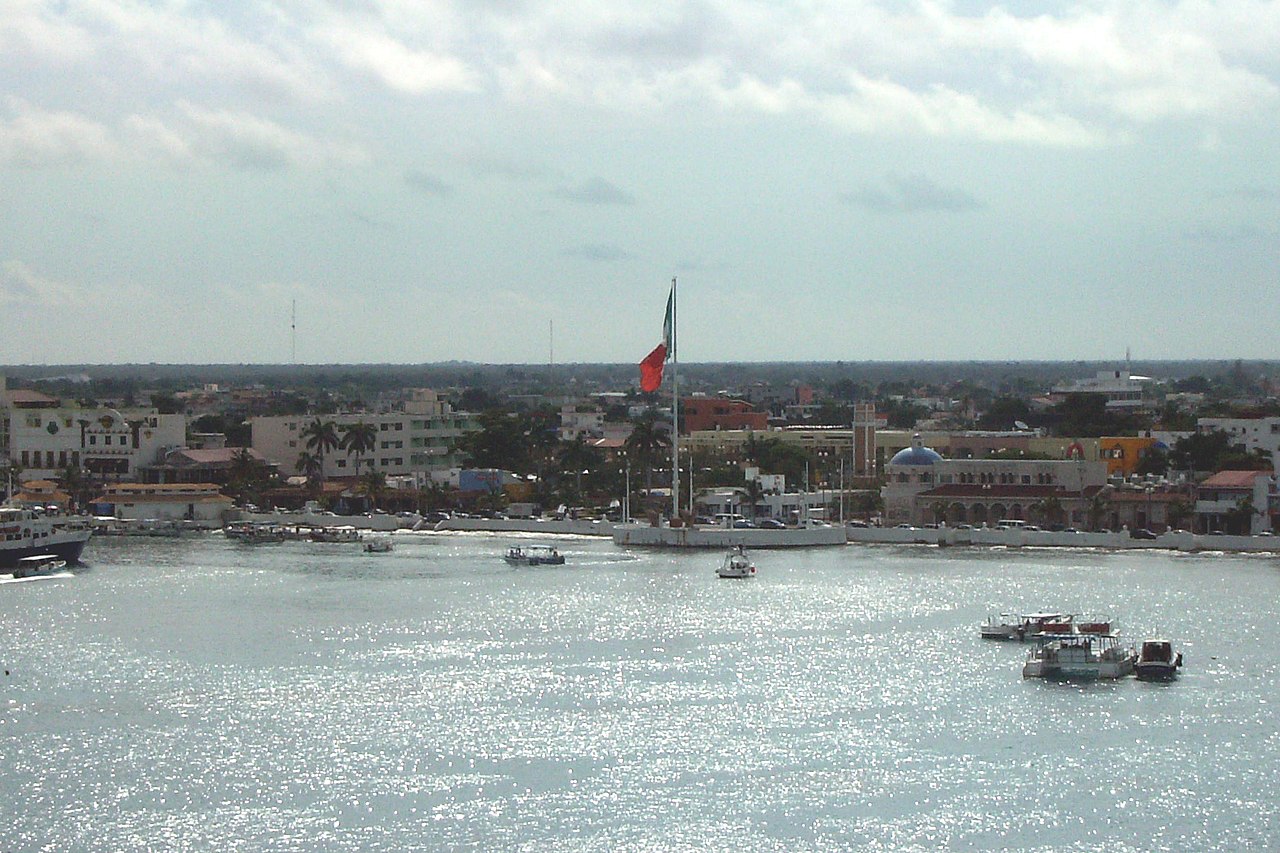
Cozumel offers the most compelling choice for travelers whose primary goal is open-water marine scenery. The island is reached from Playa del Carmen by passenger ferry, and many snorkeling tours depart from or near San Miguel. Boat trips commonly visit reef areas and shallow sandbars such as El Cielo, depending on the selected route and current conditions.
 Snorkelers watching fish in Caribbean water
Cozumel should be treated as an island day, not simply as another mainland pickup point. If you are staying in Tulum, the combination of road travel, ferry timing, check-in, snorkeling, and return travel can make the day long. It is much easier from Playa del Carmen or if you stay overnight on Cozumel.
What makes Cozumel different?
The west and southwest sides of the island are associated with calm, clear water and reef access. Boat tours may visit more than one site, allowing you to see different reef structures and marine habitats. El Cielo is known for shallow water and starfish sightings, but guides should explain how to observe starfish without lifting, handling, or crowding them.
The island’s currents and exposure mean that a calm-looking departure does not guarantee identical conditions at every stop. Listen carefully during the briefing. Stay with the guide, maintain awareness of the boat, and do not drift away from the group because the water appears easy.
Cozumel is best for
- travelers who prioritize coral and open Caribbean water;
- strong or comfortable swimmers who enjoy boat trips;
- couples and friends who want a full excursion rather than a short activity;
- divers’ companions who want their own marine day;
- visitors staying in Playa del Carmen who can reach the ferry easily;
- travelers willing to spend a night on the island for a slower schedule.
It is not the easiest option for a rushed itinerary, travelers who dislike boats, or families who need a very short transfer from their accommodation. Ferry schedules and tour departure times need to line up, and you should build in a buffer rather than planning to arrive at the pier at the last possible minute.
Should you book a tour or arrange Cozumel independently?
An organized tour can simplify equipment, boat access, and the route. It may also coordinate with ferry arrival times, although you must check whether ferry tickets are included. Independent planning gives you more control but requires you to manage the crossing, taxi or local transport, meeting point, and return buffer yourself.
If you book a mainland package marketed as a Cozumel snorkeling day, read the itinerary carefully. Some packages include a ferry transfer and a boat tour but leave little time in San Miguel. That is fine if the reef is the only goal. It is less satisfying if you expected an island sightseeing day as well.
Xel-Há snorkeling
Xel-Há is a managed natural water park near Tulum built around a large inlet where freshwater and seawater meet. Snorkeling is included in the broader experience, alongside river floating, jungle paths, food, changing facilities, and other water activities depending on the ticket product.
 Snorkeling at Xel-Há in Quintana Roo
This is not a replacement for a boat trip to a coral reef. It is a good choice when your group wants variety and convenience. One traveler can snorkel while another floats, eats, walks, or watches children. The park’s facilities remove many of the small logistical problems that make an independent water day tiring.
Choose Xel-Há if you value:
- equipment and flotation options in one place;
- showers, lockers, changing areas, and food;
- a full-day setting for different ages and interests;
- a combination of water and jungle activities;
- predictable access rather than a changing boat itinerary.
Choose a marine tour instead if your main objective is offshore coral, drift snorkeling, or a small local boat. Xel-Há is popular and commercial by design. That is precisely why many families enjoy it, but it is not the experience for travelers searching for a quiet, lightly managed swimming hole.
Arrive with enough time to use the park rather than paying for a full day and leaving after a short swim. Check current hours, transport options, ticket inclusions, optional activities, and food arrangements on the official site. The details can change between products and seasons.
Cenote snorkeling tours
Cenote snorkeling is the best alternative when you want a freshwater day, are tired of the beach, or want to see the limestone landscape that makes the Yucatán Peninsula distinctive. Cenotes vary widely. Some are open pools surrounded by jungle. Others are partly enclosed, with shafts of daylight, stalactites, and darker chambers. Some are easy for beginners; others involve steps, ladders, narrow entrances, or deeper water.
 Yal-Ku Lagoon near Akumal, a calm coastal snorkeling alternative
A cenote tour may combine two or more sites, a small meal, a Mayan community visit, cycling, or another activity. Read the schedule closely: a “cenote tour” may include only a short swim at each stop, while a dedicated cenote day gives you more time in the water.
Who should choose a cenote tour?
Cenotes are a strong fit for:
- travelers visiting during a day when ocean visibility is poor;
- people who prefer freshwater to waves;
- families seeking sheltered swimming with clear site rules;
- photographers interested in light, rock, and jungle;
- travelers combining swimming with local history or food;
- visitors staying inland or near Tulum who want a short transfer.
They are less suitable for someone who wants a broad coral reef or who feels uncomfortable in enclosed environments. Ask whether the site is open, semi-open, or cave-like, and whether life jackets are required. If anyone in your party dislikes darkness or confined spaces, select an open cenote rather than accepting a generic multi-stop itinerary.
Cenote etiquette and equipment
Use only the sun protection permitted by the site. Many cenotes require visitors to shower before entering and discourage or prohibit sunscreen because it affects the water system. Follow those instructions even if the water appears empty and clean.
Water shoes can help with uneven rock and slippery paths. A secure swimsuit, towel, dry clothes, and a waterproof phone pouch are more useful than bringing heavy beach gear. Do not touch formations, feed fish, or leave anything in the water. The cenote is part of a connected underground system, not a swimming pool that can simply be drained and cleaned.
Sian Ka'an and Punta Allen snorkeling tours
South of Tulum, the Sian Ka'an Biosphere Reserve offers a different kind of water day. Excursions may combine road travel, boat navigation through lagoons and coastal channels, mangroves, wildlife observation, and snorkeling where conditions and local operations allow. Punta Allen is a common base for reserve outings, but the trip is more remote and weather-sensitive than a standard beach excursion.
The attraction is the landscape and the chance to experience a protected coastal ecosystem, not a guaranteed checklist of marine animals. You may see birds, mangrove environments, fish, turtles, or other wildlife, but every trip is shaped by water level, wind, season, and the animals’ movements.
Choose Sian Ka'an when you have a full day, are comfortable with a longer journey, and prefer conservation-oriented nature travel to a polished attraction. Ask how the tour handles reserve access, local guides, meals, transfers, and weather cancellations. Wear clothing that dries reasonably quickly and bring protection from sun and insects. Keep expectations flexible: the reserve is valuable because it is a living environment, not because it behaves like a scheduled show.
GuidePunta Allen Travel Guide: A Practical Base for Sian Ka’anPunta Allen is a small fishing village at the end of the Boca Paila Peninsula inside Sian Ka’an Biosphere Reserve. Learn how to plan the rough journey from Tulum, choose between a day trip and an overnight stay, and visit the reserve responsibly.Open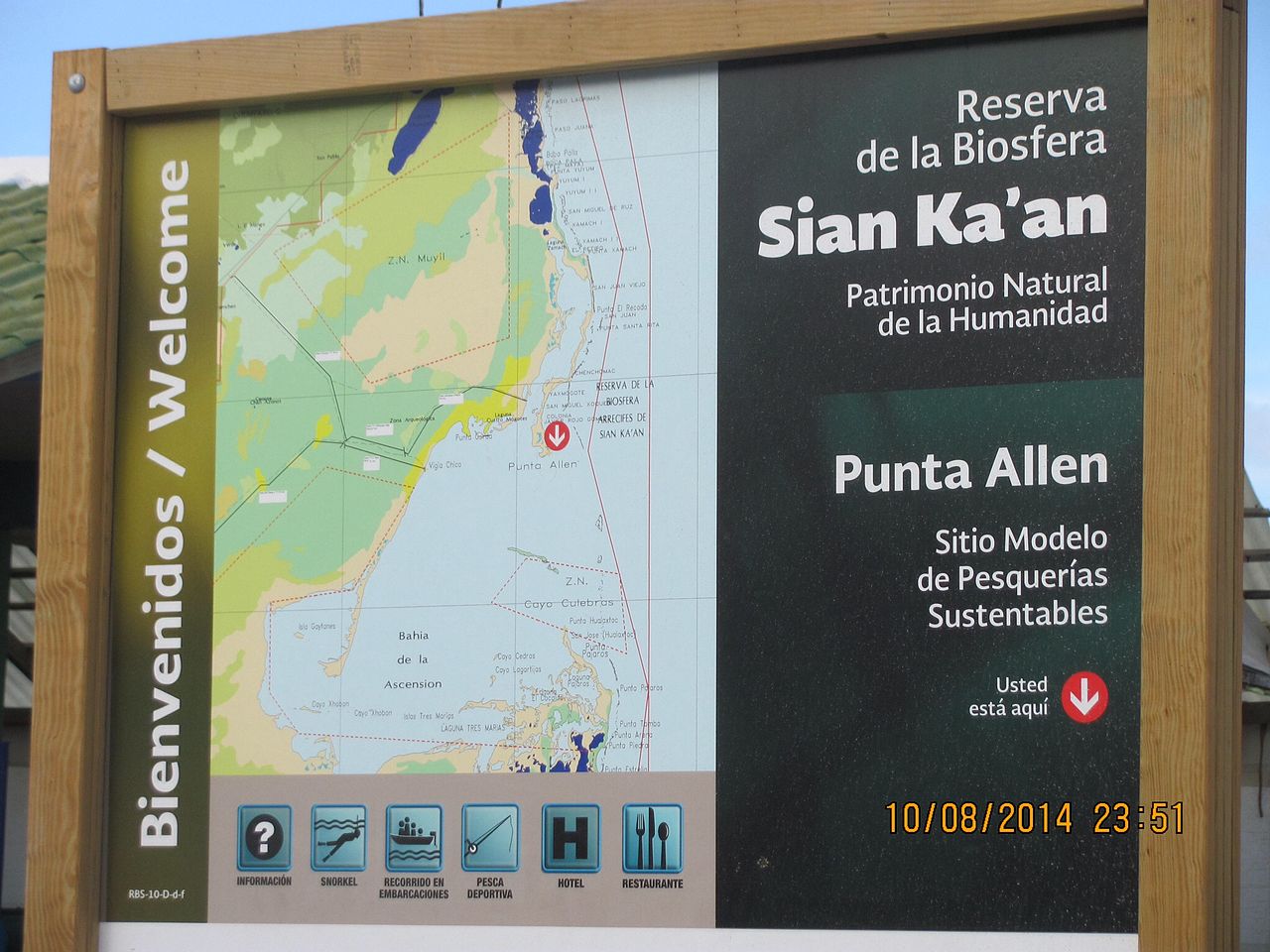
Private versus shared snorkeling tours
A shared tour is usually the practical choice for solo travelers, couples, and families who are happy with a fixed departure and a standard route. It can also be a good way to meet other travelers. The main questions are group size, water time, pickup, and what is included.
A private tour makes more sense for a group with a clear preference: an early departure, a slower pace, a private guide for children, or a custom combination of reef and beach stops. It may also be useful when one traveler has mobility, language, or comfort needs that are difficult to accommodate in a large group.
Do not assume private means better in every respect. A reputable shared operator with trained guides and maintained equipment can be safer and more organized than an informal private boat. Ask about licensing, life jackets, first-aid equipment, guide experience, maximum passengers, and the procedure for bad weather. If a seller is evasive about basic safety questions, choose another operator.
How to choose from Playa del Carmen, Tulum, or Cancún
From Playa del Carmen
Playa del Carmen is the most convenient base for Cozumel. The ferry terminal is central, and you can choose between an island reef day, a mainland excursion, or a cenote. Puerto Morelos is north and Akumal is south, so both are possible but involve road transfers.
If you have only one snorkeling day from Playa, choose Cozumel if the reef is your priority. Choose Akumal if you want turtles and a shorter, focused experience. Choose Puerto Morelos if you want a mainland reef trip with an easy town combination.
From Tulum
Akumal, nearby cenotes, Xel-Há, and Sian Ka'an are the most natural choices from Tulum. Cozumel can be done, but the ferry and road logistics create a long day. Puerto Morelos is possible but is generally less efficient than choosing a southern or central site.
Tulum travelers should also distinguish the town, beach road, and resort corridor when checking pickup. A tour may include Tulum hotel transport but define a limited zone or charge for distant properties. Confirm the exact arrangement before assuming a lobby pickup.
From Cancún or Puerto Morelos
Puerto Morelos is the obvious mainland reef choice from the north. Akumal is farther south, and Cozumel adds the drive to Playa del Carmen before the ferry. Travelers in Cancún may also compare marine excursions around Isla Mujeres, but that is a different destination and should not be presented as a Riviera Maya mainland snorkeling trip.
If your flight arrives late or departs early, avoid booking a water excursion that leaves no buffer. Keep the arrival or departure day simple unless your accommodation and tour meeting point make the timing genuinely comfortable.
What to bring
Pack lightly but deliberately:
- swimsuit and a dry change of clothes;
- towel, unless the tour confirms one is supplied;
- water shoes or secure sandals for rocky entries;
- a refillable water bottle where permitted;
- cash in Mexican pesos for small purchases, tips, lockers, or transport;
- a waterproof pouch for essentials;
- prescription medication and any motion-sickness remedy you already know works for you;
- a hat and a cover-up for time on the boat or beach;
- biodegradable or site-approved sun protection, used according to local rules.
Do not bring valuable jewellery, unnecessary electronics, or loose items that can fall from a boat. Ask before bringing a large camera. Some locations restrict photography, drones, or accessories in order to protect wildlife and visitors.
Safety and responsible snorkeling
Listen to the briefing even if you have snorkeled many times. Learn how to signal for help, where the boat will be, how to clear a mask, and what the guide expects if the group separates. Stay within your ability. A life jacket is a useful safety tool, not an admission that you are a poor swimmer.
Never stand on coral, touch marine animals, chase turtles, or hold starfish out of the water. Keep your fins away from the bottom and maintain a respectful distance from wildlife. Use the entry and exit points selected by the guide. A small shortcut over a reef can cause more damage than a visitor realizes.
Check the sea before leaving shore. Wind, rain, waves, and visibility may change the quality of the experience. A tour operator that cancels or changes the route for safety is doing the responsible thing. If you are pregnant, have a medical condition, are recovering from an injury, or take medication that affects balance or alertness, ask your clinician and tell the operator before entering the water.
Sargassum is mostly a beach concern rather than a reason to assume every snorkeling site is unusable. Offshore reef trips may have clear water while a beach nearby has seaweed, but conditions vary. Ask for a current local report rather than relying on a photograph from a different month.
How long should a snorkeling day take?
A focused Akumal or Puerto Morelos activity may occupy part of a day, though transportation and check-in add time. A Cozumel excursion is normally a full-day plan once the ferry is included. Xel-Há is designed for a full day. Cenote tours vary from a half-day swim to a long multi-stop itinerary. Sian Ka'an generally deserves a full day because the reserve is part of the reason to go.
Avoid booking two water activities with tight changeovers. You need time to dry off, eat, use transport, and handle delays. Snorkeling is more enjoyable when you can pause rather than watching the clock from the moment you leave the hotel.
The bottom line
For most travelers, the best Riviera Maya snorkeling tour is the one that fits the water and wildlife you actually want. Akumal is the focused turtle-and-bay choice. Puerto Morelos is the convenient mainland reef option. Cozumel offers the strongest case for a dedicated open-water reef day if you can manage the island logistics. Xel-Há is the easiest all-in-one choice for families and mixed groups. Cenotes provide a freshwater change of scene, while Sian Ka'an is for travelers who value remote nature and flexible expectations.
Book with a clear meeting point, honest wildlife language, sensible weather policies, and equipment and safety information you can understand. Then give the water enough time to reveal itself. The best snorkeling day is not the one with the most promises; it is the one where your group feels comfortable, the guide protects the environment, and you leave the reef, bay, cenote, or inlet no worse than you found it.
If you want help combining snorkeling with accommodation, transfers, or a wider Riviera Maya itinerary, the Trip Plan & Booking Portal is a useful next step.
Planning a snorkeling day in the Riviera Maya? Confirm current tour schedules, access rules, included transport, marine conditions, and conservation requirements directly with the operator before departure.
 Backup planPuerto Morelos Travel Guide: Beaches, Reef, Cenotes & Where to Stay
 Backup planCozumel Travel Guide: Diving, Beaches & How to Get There
 Backup planXel-Há Guide: How to Plan a Relaxed Water-Park Day Near Tulum
 Backup planBest Cenotes in the Riviera Maya: A Practical Guide to Swimming, Snorkelling and Cave Tours