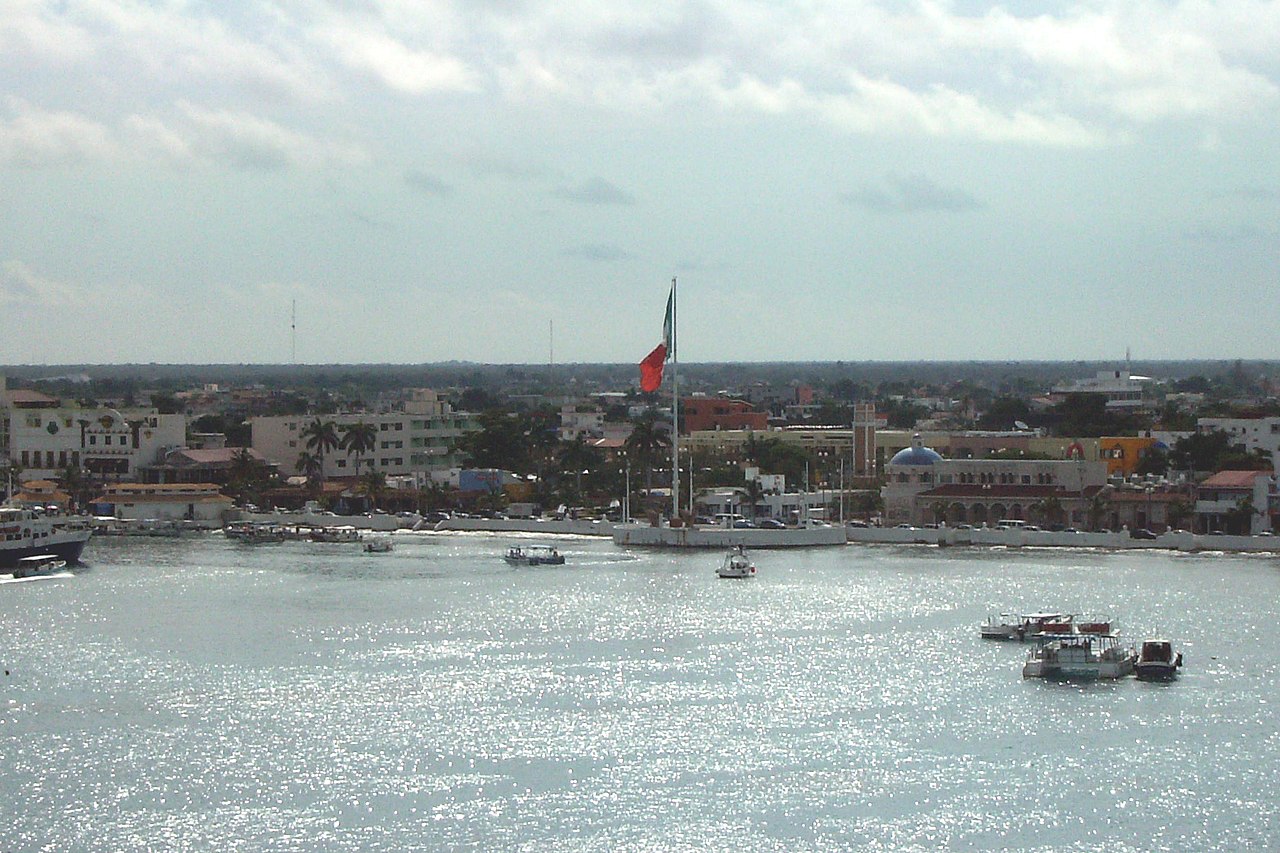
Cozumel is one of the best places in the Riviera Maya to build a day around the water. The island sits opposite Playa del Carmen, and its western and southwestern coasts face the calmer side of the Caribbean. That geography puts clear water, coral reefs, shallow sandbars, and boat-access marine life within easy reach of San Miguel de Cozumel.
The important distinction is that the best snorkeling in Cozumel is not all in one place. Palancar and Colombia are boat-access reef stops. El Cielo is a shallow sandbar usually combined with a boat trip. Chankanaab and several beach clubs offer easier shore entry. Dzul-Ha, often accessed through the Money Bar area, can suit confident beginners who want to enter from land without committing to a full excursion.
If you have one snorkeling day, choose a boat trip to Palancar, Colombia, and El Cielo. If you are traveling with young children, nervous swimmers, or someone who does not want a boat, start with Chankanaab or a managed west-coast shore site. If you are arriving on a cruise, allow time for disembarkation, the taxi ride, the activity, and a conservative return buffer rather than choosing an excursion that leaves no margin.
Quick answer: where should you snorkel in Cozumel?
| Your priority | Best starting point | Why |
|---|---|---|
| Best overall reef day | Palancar, Colombia, and El Cielo by boat | Combines coral, open-water reef scenery, and shallow sandbar water |
| Easiest shore entry | Chankanaab Park | Organized facilities and a designated marine setting |
| Beginner-friendly independent plan | Dzul-Ha / Money Bar area | Shore access, nearby facilities, and a short taxi ride from San Miguel |
| Shallow water and sandbar scenery | El Cielo | Calm, clear water reached by boat; usually part of a reef excursion |
| Cruise passenger with limited time | A verified Cozumel half-day boat tour or Chankanaab visit | Simple logistics, but return-to-ship timing must be checked carefully |
| No swimming confidence | Glass-bottom or transparent-boat option | Lets you see the water without pretending that snorkeling ability is not a factor |
| Quiet beach-and-water day | A south-coast beach club with shore access | More flexible than a boat, but reef quality and conditions vary |
For a boat excursion, compare the current Cozumel snorkeling inventory on GetYourGuide and Cozumel snorkeling tours on Viator. Listings change, so read the meeting point, cancellation terms, equipment details, and return logistics for the date you are considering.
 Aerial view of Palancar Beach on Cozumel
Why Cozumel is so good for snorkeling
Cozumel’s reputation comes from its reef geography rather than from a single beach. The island’s west side is the leeward coast, generally more protected from the prevailing trade-wind exposure than the eastern shoreline. The marine park protects important reef habitat around the south and southwest coast, where many boat excursions operate.
That protection matters to travelers. It means a trip can combine a dramatic reef environment with clear visibility and abundant fish, but it also means you are entering a regulated natural area. The reef is not an amusement park. Conditions, current, visibility, marine life, and permitted sites can change from day to day. A responsible operator will adjust the route when weather or park management requires it.
The current is another reason to choose carefully. Many reef trips are drift snorkels: the boat drops swimmers at a suitable point, the group moves with the water, and the vessel follows. You do not need to be an athlete, but you should be comfortable floating, listening to a guide, and staying with the group. A life vest is useful even for competent swimmers when the water is moving or the boat is operating in open water.
Shore snorkeling is different. It gives you more control over how long you stay in the water, but it does not automatically mean the sea is calm. A shore-entry reef can have surge, boat traffic, rocks, ladders, or a current that feels stronger once you leave the protected entry area. Use the marked zone, ask staff about conditions, and never swim beyond the place intended for visitors simply because the water looks inviting.
GuideCozumel vs Isla Mujeres: Which Quintana Roo Island Is Better for Your Trip?Cozumel and Isla Mujeres offer very different island escapes from the Riviera Maya and Cancún. Compare reefs, beaches, ferries, transport, crowds, costs, and the right trip length before choosing.Open
Palancar Reef: the classic Cozumel reef choice
Palancar is the name most visitors expect to hear when they ask about Cozumel snorkeling. It is a large reef system on the island’s southwest side and is part of the Arrecifes de Cozumel National Park. Different sections have different depth, coral formations, and current characteristics, so a snorkeling stop is not the same as a scuba dive at the deeper portions.
For a snorkeler, the appeal is the structure. Coral heads and reef formations create more visual interest than a flat sandy bottom, and the clear water can make the underwater landscape feel much larger than the time available in the water. Tropical reef fish are common possibilities, while turtles, rays, and other larger animals are encounters rather than guarantees.
Palancar is normally reached by boat. Be wary of any description that suggests you can simply walk from the ferry terminal to the famous reef. You can visit Palancar Beach by land, but the offshore reef sites used by snorkeling and diving boats are a separate experience. A good itinerary will identify whether it includes a beach stop, a reef stop, or both.
The reef is a good fit for travelers who want the classic Cozumel experience and are comfortable with a boat, an open-water entry, and a guide-led route. It is less suitable if you need to be able to stand at all times, dislike boat movement, or have a very tight cruise schedule.
Compare the live Palancar and Cozumel reef tours on GetYourGuide with Viator’s Cozumel reef excursions rather than choosing solely from a tour title. Confirm the exact reefs named in the itinerary; product names and operating patterns can change.
 Palancar Beach on Cozumel
Colombia Reef: a boat trip for reef scenery and wildlife
Colombia Reef is another southwest-coast site commonly paired with Palancar. The name can appear as Colombia or Columbia in travel listings, so search both spellings when comparing tours. It is not a shore walk from San Miguel; it is normally reached as part of a boat itinerary operating in the protected reef area.
The underwater scenery is the reason to include it. Reef formations, channels, fish schools, and changing depth give the stop a different character from a shallow beach swim. Guides may point out turtles, rays, nurse sharks, angelfish, grunts, parrotfish, or other species, but no ethical guide should promise a particular animal on every trip.
Colombia can feel more exposed than an enclosed beginner cove. Ask how the operator handles participants who need flotation support, whether the group is divided by ability, and whether the boat carries a ladder that makes re-entry manageable. If you are traveling with a mixed group, a route that includes both reef water and a shallow sandbar is often more comfortable than an itinerary made entirely of open-water stops.
The most efficient way to visit Palancar and Colombia is often a half-day boat trip that also includes El Cielo. That combination gives stronger swimmers a reef experience and gives less confident swimmers a calmer place to enjoy the water. Still, read the current itinerary. Operators can change their sequence or substitute a site when sea conditions or park restrictions require it.
El Cielo and El Cielito: shallow water, not a coral-reef substitute
El Cielo is famous for its shallow turquoise water and sandy bottom. It is usually reached by boat, often after or before a reef stop. The setting is visually distinct from Palancar and Colombia: instead of swimming over prominent coral formations, visitors often spend time in clear, shallow water with sand below and a broad horizon around them.
This is why El Cielo works well in a mixed-ability group. People who do not want a long reef swim may still enjoy floating, wading where permitted, and looking down through clear water. The boat trip itself can be part of the experience, and many itineraries include refreshments or a short beach-style pause. Those inclusions vary by product, so check the listing rather than assuming every boat offers the same service.
Starfish are part of El Cielo’s appeal, but they are living animals, not souvenirs or props. Do not pick them up, move them, stand on them, or remove them from the water. Even brief handling can harm them. The same principle applies to coral, shells, turtles, rays, and fish: observe without touching, feeding, chasing, or blocking an animal’s path.
El Cielito is sometimes described alongside El Cielo as a nearby shallow-water stop. The names and route descriptions vary by operator. If the sandbar is your main reason for booking, confirm that the product actually includes the stop and ask how long the boat remains there. A tour advertised around three reefs may provide less time in shallow water than a product designed around El Cielo and beginner-friendly swimming.
Chankanaab Park: the practical shore-access choice
Chankanaab Park is one of the most straightforward options for travelers who want an organized day with snorkeling available from shore. It is south of San Miguel, within the broader protected marine-park environment, and combines water access with land-based facilities and other attractions. That makes it useful for families or groups whose interests do not all center on snorkeling.
The main advantage is control. You can arrive by taxi, enter the park, use the designated swimming or snorkeling area, and take breaks without being committed to a boat schedule. Conditions still matter, and you should follow the park’s instructions, but the day is easier to adapt than an offshore excursion.
Chankanaab is not a replacement for a boat trip to Palancar or Colombia. It is a good introduction to the island’s marine environment, particularly for people who prefer a gradual entry, facilities, and a place to spend time on land. The park can also become busy on cruise-ship days. Arriving earlier generally gives you more breathing room, but verify current opening details and admission rules before travel.
The official Chankanaab Park information is the best place to check current admission, operating information, and available facilities. If you prefer a packaged activity, GetYourGuide’s Cozumel activity listings and Viator’s Cozumel shore excursions can be compared, but treat a marketplace excursion and independent park entry as different products.
Dzul-Ha and the Money Bar area
Dzul-Ha is a popular shore-snorkeling area south of San Miguel, often associated with the Money Bar beach club. The attraction is convenience: there is a known entry point, nearby food and facilities, and a reef environment close enough for a short visit rather than a full-day excursion.
This can be a sensible option for an independent traveler staying in town or a cruise passenger who has already checked the port schedule and wants a flexible shore day. You can bring your own mask and snorkel or ask locally about rental availability. Entry is usually from steps or a rocky shoreline rather than a broad sandy beach, so water shoes can make the transition more comfortable.
Dzul-Ha is not a swimming pool. Current and boat traffic can vary, and the best water may be beyond the first few meters from shore. Use designated swim areas and listen to staff. If the sea is rough, visibility is poor, or you are not comfortable with a ladder or rocky entry, choose a managed park or boat tour with a guide instead.
The Money Bar area is also a commercial facility, so check its current access policy and any minimum-consumption or rental arrangements before planning around it. Those details can change. The practical benefit is that you have somewhere to dry off, eat, and recover after the swim; the trade-off is that your day is tied to the facility’s current rules and conditions.
Other shore-snorkeling possibilities
Cozumel has more shore-access sites than the headline reef list suggests, but they are not interchangeable. Some are reached through beach clubs, some through parks, and some near hotels or docks where boat traffic makes caution especially important. The quality of a particular swim can also depend on wind direction, recent weather, tide, visibility, and the amount of traffic on the day.
Paradise Reef and nearby southern sites
Paradise Reef is often associated with boat trips and shore-based access near the southern waterfront. It can be a useful middle ground for travelers who want a reef stop without committing to the longer offshore feel of a Palancar itinerary. Confirm the exact entry arrangement, because a tour named for a reef does not necessarily mean you can reach every part of that reef from land.
Playa Corona and similar beach-club stops
Beach-club snorkeling can work well when your group wants chairs, food, shade, and a swim in the same place. The reef may be smaller or less dramatic than the offshore sites, but the total day can be more enjoyable for travelers who do not want to spend several hours on a boat. Ask whether the water access is currently open and whether the club requires a purchase or charges an entry fee.
Punta Sur
Punta Sur is best thought of as a broader nature outing rather than a guaranteed snorkeling-only destination. The southern tip combines coastal scenery and terrestrial wildlife habitat with water activities that depend strongly on conditions and site access. If you go, allow enough time for the land attractions and do not plan the day around a specific underwater encounter.
Villa Blanca and near-town reefs
Near-town reefs can be tempting because they reduce taxi time, but proximity to ferry and marina activity can mean more boat movement. They are better suited to alert adult swimmers who understand local conditions than to unsupervised beginners. If you are new to snorkeling, choose a location with a clearly marked entry and staff presence rather than the closest possible shoreline.
Shore snorkeling versus a boat tour
| Factor | Shore snorkeling | Boat snorkeling |
|---|---|---|
| Flexibility | High; you choose when to enter and leave | Lower; follow the route and departure time |
| Access | Often taxi or rental vehicle to a park or beach club | Meeting point, marina, or pickup specified by operator |
| Reef quality | Convenient sites can be rewarding but vary | Reaches the signature offshore reef sites |
| Water confidence | Easier to stay near shore, but entry can be rocky | Requires comfort entering open water and reboarding |
| Facilities | Possible bathrooms, food, shade, and showers | Boat facilities vary; confirm inclusions |
| Best for | Families, independent travelers, flexible days | First-time visitors prioritizing Palancar, Colombia, and El Cielo |
| Main risk | Misjudging current, access, or boat traffic | Choosing a tour with poor timing or an unsuitable group pace |
Choose shore access if you want to combine snorkeling with a relaxed beach-club day or if different people in your group need different amounts of time in the water. Choose a boat if the reef itself is the priority. A boat is also the practical route to the sites most visitors imagine when they picture Cozumel’s underwater reputation.
How to choose a Cozumel snorkeling tour
Start with the route, not the photograph. Look for the names of the actual stops and distinguish Palancar Beach from Palancar Reef. Check whether Colombia, El Cielo, El Cielito, Chankanaab, or a turtle-focused area is included. If the itinerary uses broad phrases such as “three reefs,” open the full description before booking.
Then check the meeting point. Some products depart from San Miguel, some from a southern marina, and some offer hotel-dock pickup. A pickup promise may not apply to every hotel, so enter your location and read the restrictions. Cruise passengers should confirm whether the activity is designed for their ship’s port and whether the operator offers a return-to-ship guarantee; never assume it from a photo or review.
Review the physical demands. A four-hour duration may include travel, briefing, multiple water stops, and time on a sandbar. It does not mean four hours of continuous snorkeling. Ask whether the boat has a ladder, whether flotation devices are available, and how the operator handles participants who choose not to enter the water at every stop.
Finally, compare the cancellation policy and weather approach. Reef trips are weather-sensitive. Flexible cancellation is valuable, but it does not guarantee that a trip will operate in unsafe conditions. A responsible operator may change the route or cancel when the sea is not appropriate.
For current product pages, start with GetYourGuide Cozumel snorkeling and Viator Cozumel snorkeling. A verified example of a live product is Viator’s El Cielo Cozumel Snorkeling Tour; check its current inclusions and meeting details before relying on it.
Planning from Playa del Carmen, Cancún, or Tulum
From Playa del Carmen
 San Miguel de Cozumel coastline viewed from the ferry
The passenger ferry from Playa del Carmen is the natural connection for many independent visitors. Allow time for getting to the ferry terminal, buying or presenting tickets, boarding, the crossing, walking off the vessel, and finding your taxi or meeting point in San Miguel. A boat tour that departs soon after the ferry’s scheduled arrival may be stressful if the ferry is busy or delayed.
You can also book a package that starts on Cozumel or includes transport from the Riviera Maya. Read exactly what is included. A ferry ticket, mainland hotel pickup, island taxi, and snorkeling boat are separate logistics unless the listing explicitly combines them.
From Cancún
Cancún travelers can reach Cozumel by road to Playa del Carmen and then ferry, by arranging a transfer, or by flying to Cozumel when a suitable flight is available. A same-day plan is possible but leaves less room for delays. If snorkeling is the main purpose, staying overnight on Cozumel usually creates a calmer schedule than crossing from Cancún, driving to the ferry, and returning the same day.
For overnight planning, check current Cozumel stays on Booking.com and compare Cozumel hotels on Trip.com. Keep the snorkeling day separate from the arrival day if your flight or long transfer is not flexible.
From Tulum
Tulum is farther south, so a Cozumel day trip involves a longer road connection before the ferry. It can be done, but it is not the most relaxed choice for a short stay. If you are already spending several nights in Tulum and want to snorkel in Cozumel, consider adding an island night or booking a transfer package with a clear return plan. Cozumel hotel availability on Booking.com and Trip.com Cozumel inventory are useful for comparing that option.
GuideThings to Do in Tulum: a Local's 2026 Activity GuideFrom clifftop Mayan ruins and jungle cenotes to biosphere reserves and barefoot beach clubs — the complete guide to Tulum activities, with honest logistics for both the Pueblo and the Zona Hotelera.Open
Cruise passengers: protect your return time
Cozumel’s reefs are attractive precisely because they are close to a busy cruise destination, but a cruise schedule changes the risk calculation. You need to account for the ship’s arrival, port clearance, walking to the taxi area or meeting point, the activity, showers and changing, the return taxi, port security, and boarding. A tour that ends near the ship is not the same as a tour that ends at a distant marina.
Prefer a ship-affiliated excursion or an independently operated product with an explicitly stated return-to-ship plan. Ask how the operator responds if the boat is delayed. Leave a large buffer rather than trying to fit the latest possible departure. If the ship is not visiting Cozumel, plan normally; if it is, expect more pressure on taxis, parks, and popular water activities.
Chankanaab can be simpler than an offshore trip for a short port call, but the park still requires a taxi each way and time at the entrance. A near-town shore site may be even more flexible, but it may not deliver the reef scenery you hoped for. Choose the experience that matches your actual port window, not your ideal full vacation day.
Best snorkeling in Cozumel for beginners and families
Beginners should prioritize calm entry, flotation, supervision, and the ability to stop. Chankanaab is a strong first option because it is organized and offers land facilities. Dzul-Ha can work for confident beginners when staff report favorable conditions, but rocky entries and current deserve respect. El Cielo can be comfortable once you are on the sandbar, but reaching it requires a boat and the ability to follow the group during open-water travel.
For children, choose a properly fitted mask rather than relying on an adult mask that leaks. A rash guard protects against sun and reduces the temptation to use excessive sunscreen in the water. Keep the group together, use a life vest when appropriate, and make the child’s first experience short enough to end while it is still fun.
Do not equate shallow with risk-free. A child can stand in one place and still be affected by waves, rocks, boats, or panic. A guide or lifeguard can help, but adults remain responsible for close supervision. If someone cannot swim, book a glass-bottom or transparent-boat option instead of treating a snorkel tour as a sightseeing cruise.
Best season and daily conditions
Cozumel is warm enough for snorkeling in every season, but the water experience changes. Winter and spring often bring popular travel periods and can offer good visibility, while summer brings heat, warm water, and the possibility of tropical weather. Wind direction matters more than a simple month-by-month promise. A calm morning can turn choppy later, and a cloudy day can still produce excellent snorkeling if the sea is settled.
Sargassum is less predictable on the west-facing shore than on many east-facing beaches, but no Caribbean destination can promise a completely seaweed-free shoreline. Offshore reef trips are also not immune to weather. Check the operator’s update close to departure and accept that an alternate site may be safer or clearer.
Go early when you have a choice. Morning water can be calmer, light is good for viewing, and popular boats and parks may be less crowded. The first departure is not automatically the best on every day, but early planning gives you more options if conditions or transportation change.
What to bring
Bring a swimsuit, a lightweight cover-up, a towel if the operator or park does not provide one, sunglasses, a hat, and a dry change of clothes. Pack water in a reusable bottle and keep valuables minimal. A waterproof pouch can protect a phone, but do not spend the whole snorkel filming instead of watching where you are going.
Use sun protection that does not require touching coral or wildlife. A long-sleeved rash guard is often the simplest solution. Follow the marine park’s current rules about sunscreen; the protected-area guidance specifically asks visitors not to use sunscreen in the water. Apply any permitted product well before entering and rinse where instructed.
Bring pesos for taxis, small purchases, and places that may not accept cards reliably. Do not assume that a taxi fare, park entry, rental fee, marine-park charge, food, or tip is included in a tour price. Read the current booking page and carry a small reserve rather than planning to pay every expense by card.
Reef etiquette and safety
Cozumel’s reef is protected habitat. Follow the rules published by CONANP and your operator: keep distance from coral, do not touch or feed marine life, do not anchor on the reef, and use authorized boats and guides. Avoid gloves, poles, knives, and other objects that make it easier to grab or damage the environment.
Use the buddy system. Stay inside the designated area and maintain enough distance from other swimmers to kick safely. Do not swim behind the boat or toward a vessel lane. If you feel tired, cold, seasick, or disoriented, tell the guide immediately. Needing a break is normal; waiting until you are in trouble makes the day harder for everyone.
Never stand on coral, even when it appears dead. Coral structures are fragile and can cut skin, while a kick can damage living organisms that took decades to grow. Do not chase turtles or rays for a photograph. Let the animal choose the distance, and keep the group moving rather than surrounding it.
Follow the park’s current guidance on protected species and site closures. Marine areas can be closed for restoration, weather, reef rest, or management reasons. Treat a changed itinerary as conservation in practice, not as a failed vacation.
Where to stay for a snorkeling trip
San Miguel is the easiest base for ferry arrivals, restaurants, taxis, and many meeting points. It is practical for a short visit and works well if you plan to mix snorkeling with town time. The southern hotel zone can reduce travel to some reef and beach-club areas, but you will be farther from the ferry terminal and should budget for taxis or a rental vehicle.
A resort-style beach base may be comfortable if you want to spend the rest of the day by the water, but check whether the property has usable shore access, whether the reef is appropriate for snorkeling, and whether access is private, restricted, or dependent on sea conditions. Do not book a hotel solely because a listing says “near the reef”; verify the actual shoreline and transportation plan.
For a general comparison, use Booking.com’s Cozumel inventory with the affiliate parameter and Trip.com’s Cozumel hotel listings. If you name a specific property in your itinerary, check its current listing on both platforms before booking.
A simple one-day snorkeling plan
For a full island day, take an early ferry or arrive on Cozumel the night before. Have breakfast near your departure point, join a verified Palancar–Colombia–El Cielo boat trip, and leave the afternoon for a shower, a late meal, and a slow walk in San Miguel. This is the best plan if the reefs are your reason for visiting.
For a family day, take a taxi to Chankanaab, spend a manageable period in the water, and leave time for lunch and the park’s land-based areas. Avoid adding a distant south-coast attraction unless your children are comfortable with more transportation and heat.
For a flexible independent day, stay near San Miguel, visit Dzul-Ha or another confirmed shore-access site when conditions are favorable, and keep the afternoon open. This plan offers the easiest exit if the water is not appealing. It is also the least likely to deliver the dramatic offshore reef formations that define Cozumel’s signature boat tours.
Frequently asked questions
Can you snorkel in Cozumel without a tour?
Yes. Chankanaab and several beach-club or shore-access locations can be visited independently. You still need safe entry, suitable conditions, equipment, and a plan for transport. Palancar and Colombia reef sites are normally reached by authorized boat operators.
Is Cozumel snorkeling good for non-swimmers?
A non-swimmer may enjoy a glass-bottom or transparent-boat experience, and some shallow areas are suitable for people who are comfortable floating with supervision. Do not book a standard reef snorkel for someone who cannot swim unless the operator clearly confirms the support available and the traveler is comfortable in open water.
Are Palancar and Colombia the same reef?
No. They are separate named reef areas commonly combined on one boat itinerary. Listings may spell Colombia as Columbia. Check the exact route and do not assume that a tour mentioning Palancar Beach visits the offshore Palancar Reef.
Can you see turtles in Cozumel?
Turtles are possible around Cozumel’s reef habitat, but they are wild animals and sightings are never guaranteed. Choose an operator that describes observation rather than promising an encounter, and never chase or touch a turtle.
How long should you spend in Cozumel?
A half-day can work for a boat excursion if you are already on the island. Two nights are more comfortable for travelers arriving from Playa del Carmen, Cancún, or Tulum because they reduce ferry and road pressure. Add time if snorkeling is only one part of your island plan.
Is shore snorkeling free?
Some shoreline areas can be accessed through a beach club, park, or restaurant rather than being free public swimming areas. Entry, equipment, minimum consumption, and facility rules vary. Confirm locally before relying on a particular site or fee.
The best choice for your trip
Choose a Palancar, Colombia, and El Cielo boat trip if Cozumel’s underwater world is the centerpiece of your vacation. Choose Chankanaab if your group needs facilities and an easy land-based day. Choose Dzul-Ha or another confirmed shore site if flexibility matters more than reaching the island’s signature offshore reefs. Whichever route you take, let the conditions and the marine park’s rules guide the day: the best snorkeling experience is the one that is enjoyable for you and leaves the reef undisturbed for the next visitor.
GuideHolbox vs Bacalar: Which Quintana Roo Escape Is Better for Your Trip?Holbox and Bacalar offer very different sides of Quintana Roo. Compare beaches, freshwater lagoon activities, wildlife, access, seasons, costs, and the best length of stay before choosing one for your itinerary.Open