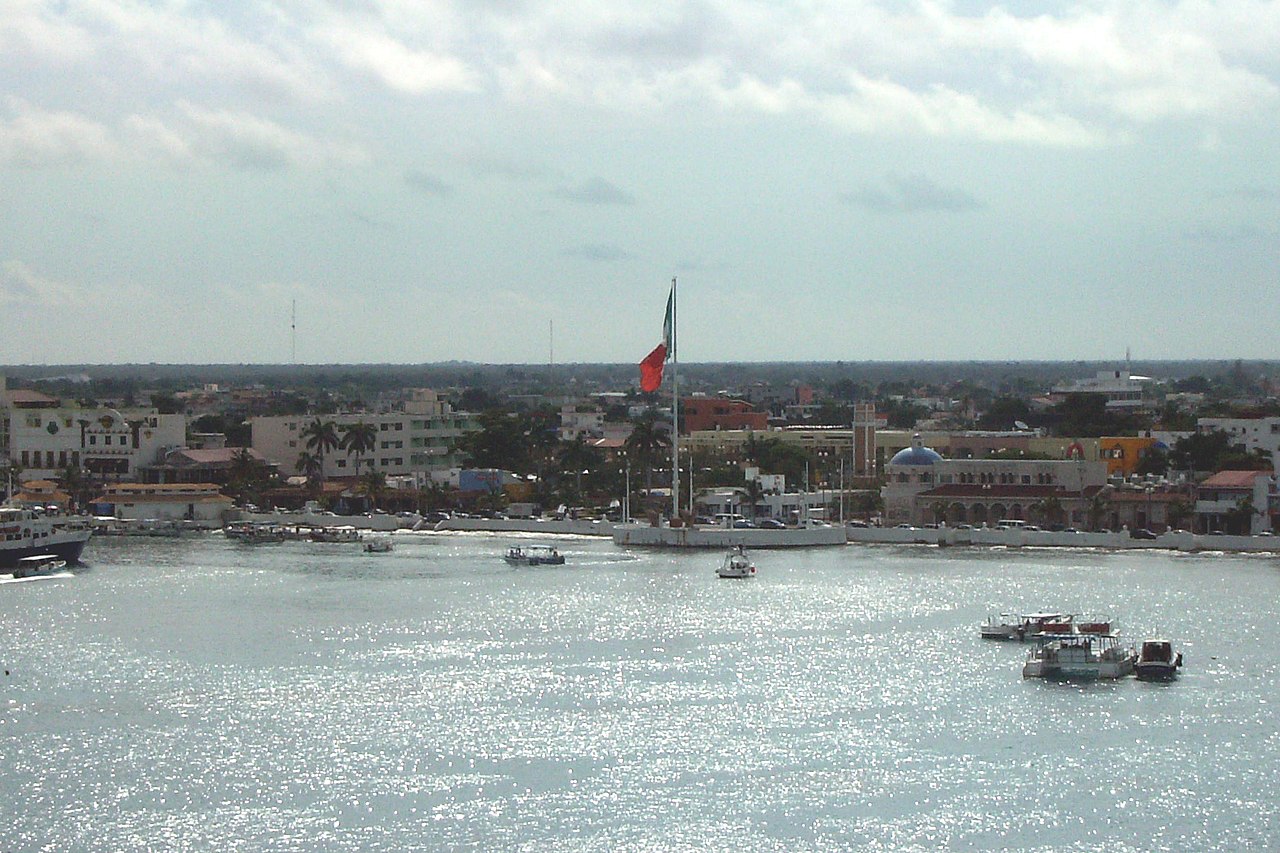
Cozumel is famous for drift diving, clear water, and the ferry crossing from Playa del Carmen. Its food deserves equal attention. The island’s main town, San Miguel de Cozumel, has a compact center where a traveler can move from a market breakfast to a Yucatecan lunch, a seafood dinner, and an ice cream stop without needing a car. Outside town, the west coast adds beach restaurants and sunset tables, while the wilder east coast has a smaller number of places where the setting is part of the meal.
The useful distinction is not simply “tourist restaurant” versus “local restaurant.” Cozumel has good choices in several categories: traditional Mexican and Yucatecan cooking, casual tacos and burritos, fresh fish and ceviche, polished seafood, plant-based food, coffee and breakfast, and relaxed waterfront dining. The best restaurant for you depends on whether you have two hours between dives, a full evening in San Miguel, a family looking for familiar choices, or a rented car and an appetite for the coast road.
This guide focuses on where and how to eat rather than promising a permanent ranking. Restaurants change menus, opening days, payment policies, and ownership. Confirm current details directly on the restaurant’s active page or by phone before making a special trip, especially outside San Miguel.
Quick answer: where should you eat in Cozumel?
If you are visiting for the first time, spend most of your food budget and time in San Miguel. The town has the widest choice, the easiest walking, and the best mix of island cooking and international food. A meal near the malecón is convenient after the ferry, but walk a few blocks inland as well; the restaurant scene becomes less dependent on waterfront traffic and more varied.
| If you want… | Start with… | Why it works |
|---|---|---|
| Traditional Mexican or Yucatecan food | Casa Denis or La Choza | Central, established choices with regional dishes |
| Tacos and an informal meal | Los Tacotales, Los Sera’s, Mr. Taco, or El Pique | Casual food suited to a quick lunch or late dinner |
| Seafood | Casa Mission, Bajau, Restaurant William, or a dedicated marisquería | Choices range from local and casual to more polished |
| A special dinner | La Clasica, Fuego, or another current high-end listing | Better for reservations, cocktails, and a slower meal |
| Vegetarian or vegan food | Sol de Maple or La Cuisine | Plant-based and lighter options are easier to find in town |
| Coffee and breakfast | El Coffee Cozumel or a current café near the plaza | Useful before a dive, ferry, or island drive |
| Sunset and a view | Novena Ola, a west-coast beach restaurant, or La Noventa y Tres | Choose the setting, then confirm the current kitchen schedule |
| A meal during an island road trip | A current east-coast stop around Chen Rio or the north side | Few options, so carry water, cash, and a backup plan |
 Fresh seafood displayed in Cozumel, Quintana Roo
San Miguel de Cozumel is the main food district
San Miguel is where most visitors should begin. The ferry terminal, town square, malecón, municipal market area, and several blocks of side streets form the island’s most concentrated dining zone. You can walk between many restaurants, which makes it practical for an evening when nobody wants to negotiate a taxi or choose a designated driver. The trade-off is that the waterfront and ferry area are also where menus can be most oriented toward visitors, cruise passengers, and sunset views.
That does not make the waterfront a bad choice. It makes it a place to choose deliberately. If you want a cold drink, a view of the sea, or a convenient dinner after arriving by ferry, the malecón is useful. If your priority is price, local atmosphere, or a specific regional dish, compare the menu with places a few blocks inland. Look for restaurants busy with a mix of residents and visitors, daily specials written separately from the main menu, and kitchens that are cooking the food you came to try rather than offering every cuisine at once.
The central plaza and surrounding streets are good for an easy first night. Casa Denis is a long-established name close to the main square and is associated with traditional Mexican and Yucatecan dishes, including cochinita pibil. La Choza is another frequently recommended option for regional cooking, with a courtyard-style setting and menu-of-the-day approach that can be a better introduction to local food than ordering a generic international plate.
Casa Mission is often included in visitor shortlists for Mexican and seafood dishes, and it suits travelers who want a more substantial sit-down meal. Bajau Seafood & Steak House is a more polished option for seafood, steak, and a special occasion. La Clasica is another restaurant to consider when the group wants creative Mexican cooking, seafood, cocktails, and a quieter dinner rather than a quick plate between activities.
Do not treat these recommendations as a promise that every dish or service detail will remain unchanged. Menus move quickly in island restaurants. Ask what is fresh, what the kitchen recommends today, and whether the dish you want is available before ordering a full meal.
GuideBest Things to Do in Cozumel: Attractions & ExperiencesPlan the best things to do in Cozumel, from reef snorkeling and El Cielo to Punta Sur, San Gervasio, east-coast beaches, Chankanaab, and an easy island day trip.Open
Traditional Mexican and Yucatecan food
Cozumel’s regional food is connected to the wider Yucatán Peninsula, but the island is not a museum of fixed recipes. Menus combine Yucatecan staples, broader Mexican dishes, seafood, and contemporary interpretations. A useful first order might include sopa de lima, cochinita pibil, panuchos, salbutes, poc chuc, or a fish preparation, depending on the restaurant and the day. The exact name and presentation can vary, so ask if you are unsure what you are ordering.
Sopa de lima is a light but aromatic soup traditionally built around broth, citrus, herbs, spices, and poultry or other additions. It is useful when the heat makes a heavy meal unappealing. Cochinita pibil is slow-cooked pork seasoned with achiote and citrus, often served with pickled red onion and tortillas. It is one of the easiest dishes to use as a regional reference point, but a good version is about balance rather than simply heat or quantity.
Panuchos and salbutes are antojitos made with masa, but their textures differ. Panuchos have a crisped tortilla with beans inside; salbutes are generally softer and puffed. Toppings can include turkey, chicken, pork, seafood, cabbage, onion, and avocado. They make a good shared order because a table can sample several toppings without committing to one large entrée.
Casa Denis is a natural place to start if you want a central setting and a traditional menu. La Choza is useful for a lunch or early dinner when a daily special is available. Casa Mission can work for travelers who want regional flavors in a more formal restaurant environment. The municipal market and surrounding casual counters may offer a less polished but more everyday experience; go with an open mind, observe what is busy, and keep your expectations appropriate for a simple local meal rather than a curated tasting menu.
A good strategy is to order one familiar item and one regional item. Someone who is uncertain about cochinita can share it alongside grilled fish or tacos. Children can have quesadillas or rice while adults try antojitos. This avoids turning a regional meal into a high-stakes decision for the whole table.
Seafood: fish tacos, ceviche, and the catch of the day
An island restaurant does not automatically guarantee the freshest or most sustainable seafood, so ask useful questions. What is the catch of the day? Is the fish grilled, fried, or served raw? Is the ceviche prepared to order? Which dishes are local specialties, and which are standard tourist favorites? A confident server should be able to explain the options without pressure.
For a casual seafood meal, look at the smaller restaurants and counters that specialize in fish tacos, ceviche, shrimp, or a daily catch. Restaurant William is often described as a simple place centered on the catch of the day, which is exactly the kind of format that can suit a relaxed lunch. Pescadería San Carlos is another name that appears in Cozumel restaurant recommendations for fish tacos and seafood. Confirm the current location and opening days before making it your only plan.
Casa Mission and Bajau offer a more deliberate sit-down experience. The former is associated with Mexican and seafood plates; the latter is a choice for travelers looking for a higher-end seafood and steak meal. Fuego, on the west side outside the central restaurant concentration, is known for international fusion and seafood in an oceanfront setting. It can work for a special evening, but the distance and current service schedule matter more than online praise.
Ceviche needs a little care. Freshness is essential, but raw or lightly cured seafood is still not right for every traveler. If anyone in your party is pregnant, immunocompromised, or simply uneasy about raw seafood, choose a cooked dish. Keep ceviche cold, eat it soon after it arrives, and do not assume that a dramatic presentation changes the food-safety basics.
Fish tacos are an easy choice after a morning in the water. They are portable, familiar, and usually fast enough for a dive schedule. A seafood restaurant with a broad menu may also offer grilled fish, garlic shrimp, octopus, lobster when available, and mixed seafood plates. Prices and portions vary significantly, so check whether the menu lists a per-weight charge or a market price before ordering a large fish or shellfish platter.
Tacos, burritos, and easy local meals
Cozumel is a good place to eat casually. You do not need a long reservation every night, and some of the most satisfying meals are built around tacos, tortas, burritos, soups, and guisados. For a quick meal, look at Los Tacotales, formerly associated with the Los Otates name in some guides, as well as Los Sera’s, Mr. Taco, El Pique, and Guisados. Restaurant names, ownership, and locations can change, so use current map listings and local recommendations rather than relying on an old saved pin.
Los Tacotales is commonly recommended for tacos al pastor, while Guisados is associated with stewed fillings and Mexican comfort food. The appeal of these places is not ceremony. It is the ability to order a few tacos, add a soup or side, and eat without making the evening revolve around a formal meal. They are especially useful for divers who return hungry, families with different appetites, and travelers staying in town without a resort meal plan.
Crazy King Burrito is another casual name travelers encounter. It is useful when the group wants a filling, portable meal with meat or vegetarian combinations. Ask about current payment methods; some small restaurants are cash-only or have unreliable card terminals. Carry pesos rather than assuming a foreign card will work everywhere.
Taco etiquette is simple. Start with one or two, then order more. Try the house salsa cautiously; Caribbean and Yucatecan heat can be more intense than expected. Add onion, cilantro, lime, and pickled vegetables according to taste. If a taquería offers aguas frescas or a daily soup, those can make the meal feel more local than defaulting to a soft drink.
Breakfast, cafés, desserts, and lighter meals
Breakfast is often the easiest meal to keep local. Look for eggs, chilaquiles, fresh fruit, pan dulce, tamales, or a regional special. A breakfast near your hotel can save time before a dive boat, but if you have a morning free, walk toward the center and compare the cafés with the hotel restaurant.
El Coffee Cozumel is frequently mentioned for coffee, pastries, breakfast, and casual café meals. It can be a useful stop for a working traveler or anyone who wants air-conditioning and a slower start. Aqui + Ahora is another popular café and social venue known for coffee, juices, breakfast, food, and evening drinks. Its atmosphere and exact offerings may change between visits, so check the current schedule if you are planning to work there.
La Cuisine suits travelers looking for lighter food, smoothies, salads, and health-focused meals. Sol de Maple is a strong option to investigate for vegan and vegetarian cooking, with plant-based Mexican and international dishes. These restaurants are particularly helpful when one person in a group wants seafood and another wants a meal with no animal products. Still, ask about cross-contact and current ingredients if you have an allergy rather than treating a vegetarian menu as automatically allergy-safe.
For dessert, look for local ice cream and paleta shops around the central streets. Flamingo Ice Cream Bar is a recognizable Cozumel option often cited for unusual flavors and vegan choices. It is an easy add-on after dinner or an afternoon walk near Parque Benito Juárez. As with every seasonal food business, flavors and hours are subject to change.
 Benito Juárez Park in San Miguel de Cozumel, Quintana Roo
Vegetarian, vegan, and food-allergy planning
Cozumel is easier for vegetarian travelers than a seafood-first reputation might suggest. San Miguel has dedicated vegan and health-focused restaurants, and many Mexican kitchens can prepare beans, rice, vegetables, guacamole, quesadillas, tacos without meat, or grilled vegetables. The challenge is not finding one meat-free plate; it is explaining allergies and avoiding assumptions about broths, lard, cheese, and shared cooking surfaces.
Sol de Maple is regularly recommended for plant-based food. La Cuisine provides lighter choices and a health-oriented menu. At a traditional restaurant, ask whether beans are cooked with lard and whether the soup base contains chicken stock. “Sin carne” means without meat, but it does not necessarily mean vegan. “Sin lácteos” is without dairy; “sin gluten” may need a more detailed explanation in a kitchen that uses shared tortillas, flour, or fryers.
Useful Spanish phrases include “Soy vegetariano/a”, “No como carne”, “No como pescado ni mariscos”, “Tengo alergia a…”, and “¿Tiene caldo de pollo?” Write the allergy in Spanish on your phone as well as saying it. If the allergy is severe, choose a restaurant with clear communication, avoid rushed service between activities, and bring a familiar snack as backup.
Children can usually find simple food in San Miguel: rice, fruit, quesadillas, chicken, pasta, pizza, and tacos. A restaurant with a courtyard or open-air seating may be more comfortable for families than a narrow bar-oriented room. Confirm whether a high chair is available rather than assuming it will be.
Sunset, waterfront, and beachfront restaurants
A sea view changes the rhythm of dinner. Waterfront restaurants are useful for a first or last evening, a birthday, or a sunset drink before walking through town. Novena Ola is often recommended for Mexican and seafood dishes, cocktails, and views near the waterfront. La Noventa y Tres is another casual option associated with seaside seating and sunset-oriented dining.
For the best experience, arrive before the sun is directly on the table and ask which seats have shade later. The Caribbean light is beautiful, but a west-facing table can become hot before sunset. In August, humidity and heat may make an indoor or covered table more comfortable. During windy weather, outdoor tables can be less pleasant than expected.
 Sunset at a restaurant on Cozumel, Quintana Roo
West-coast beach restaurants and beach clubs are separate from San Miguel’s walkable center. Some are attached to resorts or day-pass operations, and some are stand-alone restaurants. They can be convenient if you are already swimming or snorkeling, but crossing the island solely for dinner is not always worth the time. Check whether the place is a restaurant open to non-guests, whether there is an entrance fee, and how you will get back after dark.
Fuego is an example of a restaurant where the setting is part of the decision. Its oceanfront location and international menu make it suitable for a more polished dinner, but it is not a substitute for a central taquería. Pick it when you want the occasion, not because you are trying to maximize the number of restaurants in one day.
Eating on Cozumel’s east coast
The east coast is more exposed, less developed, and much quieter than San Miguel and the west coast. Its restaurants are part of a road-trip day rather than a dense dining circuit. The surf is often stronger, and swimming conditions can be unsuitable. Stop at designated areas, follow local signs, and do not assume a calm-looking patch is safe.
There are only a few reliable food stops along the eastern route, with restaurants and beach bars concentrated in parts of the north and around places such as Chen Rio. Current operators and opening days vary. Cash is particularly important: several east-coast businesses have traditionally accepted pesos or U.S. dollars rather than cards, and mobile reception or card terminals should not be assumed.
The practical plan is to eat a proper breakfast in San Miguel, carry water and a snack, and treat the east-coast restaurant as an opportunity rather than your only source of food. If a place is closed, you do not want a hungry group driving the entire island looking for a replacement. Keep fuel, weather, and daylight in mind if you are using a scooter. A car is more comfortable for a full island loop, especially for families or anyone carrying beach equipment.
Do not confuse east-coast scenery with a beach-club meal. The coast is rewarding because it is rougher and less built up. A simple seafood plate, cold drink, or snack tastes better when it supports the landscape rather than turning a remote stop into a complicated itinerary.
Cruise passengers: how to fit good food into a port day
Cozumel’s cruise-ship schedule affects San Miguel. On busy port days, the waterfront, taxi stands, shopping streets, and popular restaurants can become crowded. A cruise passenger should choose the meal location according to the ship’s all-aboard time, not according to an ambitious list of places on opposite sides of the island.
For a short port call, stay near San Miguel. You can eat at Casa Denis, La Choza, Casa Mission, a current taco restaurant, or a café without creating a risky return journey. Leave a buffer for traffic, taxi queues, and walking back to the ship or meeting point. If you are taking a snorkel or diving excursion, ask the operator where the boat returns and whether the timing leaves space for lunch.
Do not plan a remote east-coast restaurant, Punta Sur, a long beach stop, and a downtown dinner on a single cruise day. Cozumel is an island, and roads can be slower than the map suggests. A good port-day meal is one you can enjoy without watching the clock every two minutes.
If you are staying overnight, use the cruise schedule to your advantage. The town often feels calmer after day visitors leave, and you can choose a late meal or breakfast when the main waterfront rush has passed. This is one of the strongest arguments for sleeping on Cozumel rather than treating it only as a shore excursion.
What to know about reservations, payment, and service
Reserve when the meal matters. A special occasion, a small dining room, a popular sunset table, or a restaurant with a limited schedule deserves a current reservation. For casual tacos and market food, reservations are usually unnecessary. If you are traveling with a large group, message the restaurant first; island kitchens may not be able to seat ten people at short notice even when the dining room looks spacious online.
Carry pesos. Many restaurants accept cards, but small counters, food stalls, cafés, taxis, and east-coast stops may not. A card terminal can also fail because of connectivity. Ask whether the menu is priced in pesos and whether a foreign-currency conversion is being offered. Paying in pesos usually makes the amount easier to understand.
Check the bill before paying, especially when there is a large group or when drinks have been ordered at different times. A service charge may be included or suggested. Tipping practices vary, but a tip for good service is customary. Do not feel pressured into buying a dish, excursion, or bottle that you did not request.
Island service may be slower than a fast-casual restaurant on the mainland. That is not always a problem; it is a reason not to schedule a long dinner fifteen minutes before a ferry. Tell the server if you have a real time constraint, and choose a quick meal when your schedule is tight.
A practical Cozumel food itinerary
For a one-day visit from Playa del Carmen, eat breakfast before the ferry or choose a café near the terminal after arriving. Have lunch in San Miguel at a taco, burrito, or regional restaurant, then save the afternoon for your main activity. If you want sunset, stay in town and choose a waterfront table rather than attempting a distant beach restaurant before the last ferry.
For two nights, make the first dinner central and traditional. Try cochinita pibil, sopa de lima, panuchos, or salbutes at a current regional restaurant. On the second day, eat breakfast near your hotel, take a reef or island excursion, and plan a seafood or sunset meal. This gives you variety without crossing the island repeatedly.
For three to five days, alternate heavy and light meals. A taco lunch can follow a dive day; a vegetarian café breakfast can reset the schedule; a seafood dinner can become the evening’s main event. Use one day for San Miguel’s market, plaza, museum, and side streets, and another for a west- or east-coast outing. The goal is not to collect restaurant names. It is to experience the island at different speeds.
| Stay | Food plan that works |
|---|---|
| Day trip | One central lunch, one snack or drink, no risky cross-island dinner |
| Two nights | Regional dinner, casual taco lunch, seafood or sunset meal |
| Three to five days | Mix town restaurants, cafés, one beach meal, and one island-road stop |
| Dive-focused trip | Breakfast near the dock, quick post-dive lunch, reserved dinner on non-dive evenings |
| Family trip | Central base, simple menus, an early dinner, and snacks for road days |
| Vegetarian trip | Identify Sol de Maple or La Cuisine early, then check regional kitchens for meat-free dishes |
How to choose between a restaurant and a beach club
Choose a San Miguel restaurant when food is the priority, you want to walk, or you are combining dinner with the plaza, museum, shopping, or ferry. Choose a beach club when swimming, shade, loungers, and a full day beside the water matter as much as the meal. Choose a resort restaurant when you are already staying there or have confirmed that outside guests can enter.
Beach clubs can be convenient, but they may use day-pass pricing, minimum consumption, or package rules. Verify what access includes before arrival. A restaurant that looks close on a map may require a taxi or rental vehicle, and returning after sunset can be less straightforward than walking in Centro.
For a quiet meal, do not automatically choose the most visible waterfront table. A courtyard, rooftop, or side-street restaurant can be cooler and less crowded. For a memorable final night, a view can be worthwhile; for every meal, it can become expensive and repetitive.
Food safety and sustainable choices
Use the same practical judgment you would use anywhere in a hot coastal climate. Drink treated or bottled water if you are uncertain about the source. Eat raw seafood at busy restaurants with good turnover, and be cautious with food that has been sitting in the sun. Wash your hands before eating and carry sanitizer for market walks.
Do not take coral, shells, starfish, or marine animals from the water. Choose operators and restaurants that respect Cozumel’s protected reef and avoid encouraging wildlife handling. Reef-safe sunscreen is commonly recommended by conservation-minded operators, but the most important behavior is keeping sunscreen, oils, and litter out of the water and following local rules.
Seafood choices can be complicated because menus often do not identify the exact source. Ask what is in season and what the kitchen can identify confidently. Avoid ordering threatened species or undersized catch. If the menu uses a generic “local fish” description, ask for clarification. You are not required to turn dinner into an interrogation, but one respectful question can make a more informed choice.
Support small businesses when the experience is good and the payment process is clear. Eat away from the ferry strip at least once, try a regional dish, and buy a coffee or dessert from an independent shop. Cozumel’s dining culture is not only the polished restaurants with online visibility; it is also the cooks, market vendors, bakeries, taco counters, and family businesses that make San Miguel feel lived in.
Final recommendation
Stay in San Miguel for at least one meal and give yourself time to walk before choosing. Start with a regional dish at Casa Denis or La Choza, return to the town’s casual taco and seafood options for another meal, and reserve a waterfront or special-occasion restaurant only when the setting matters. Add a café breakfast, a plant-based meal if useful, and one beach or east-coast stop if your itinerary supports it.
The best Cozumel food experience is not a perfect ranking. It is a sensible mix of Yucatecan cooking, seafood, tacos, coffee, and the island’s slower evening rhythm. Plan around your ferry, dives, weather, and daylight, carry pesos, verify current restaurant details, and leave enough time to eat without rushing back to the mainland.
If you are choosing only one meal, make it a relaxed dinner in San Miguel rather than a rushed stop between attractions. That is where Cozumel’s food scene is easiest to explore, compare, and remember.