
Choosing a hotel on Isla Mujeres is less about finding one universally perfect property and more about choosing the right part of the island before you compare rooms. The island is compact, but its neighborhoods feel different. Playa Norte and Centro put you close to the ferry, restaurants, shops, and the island’s most famous swimming beach. Sac Bajo trades walkability for quieter waterfront hotels and sunset views. Punta Sur is the choice for cliffs, sunrise, privacy, and a slower resort stay. Mid-island neighborhoods offer a more residential setting and can make sense for longer visits or travelers who value space over beach access.
For a first visit, Playa Norte or Centro is the easiest default. You can arrive by ferry, walk to dinner, reach the beach without arranging transport, and rent a golf cart only when you want to explore the rest of the island. Choose Sac Bajo or the south end when the hotel itself is part of the holiday and you are happy to budget for taxis or a golf cart. Choose a mid-island stay when local surroundings, a kitchen, or a larger rental matter more than stepping directly onto a tourist beach.
Isla Mujeres is a destination in Quintana Roo, just offshore from Cancún. Most visitors arrive as foot passengers through the maritime terminal in the north of the island, then travel by taxi, golf cart, local transport, or on foot. That arrival pattern makes location unusually important: a room that looks inexpensive until you add daily transport may not be the better value.
Quick answer: the best Isla Mujeres area for your trip
| Area | Best for | Main advantage | Main compromise |
|---|---|---|---|
| Playa Norte | First-time visitors, beach lovers, short stays | Fast access to the island’s most famous beach and a large choice of restaurants | Higher demand, more activity, and less of a residential feel |
| Centro | Food, nightlife, ferry convenience, independent travelers | Walkable streets, shops, services, and many places to eat | Evening noise can be more noticeable than in outer areas |
| Sac Bajo | Families, waterfront relaxation, sunset views | Quieter hotels and bay-facing scenery | You will usually want a taxi, golf cart, or other transport |
| Punta Sur / south end | Couples, privacy, ocean views, repeat visitors | Cliffs, sunrise scenery, and a peaceful setting | Far from the ferry and north-end dining; some coast is not for swimming |
| Mid-island neighborhoods | Longer stays, villas, local atmosphere, value | More space and everyday island life | Few major attractions are immediately outside the door |
The table is a starting point, not a ranking. A traveler staying two nights without a golf cart has different needs from a family booking a week with a rental vehicle. Before opening hotel listings, decide whether your priority is walking to Playa Norte, quiet water views, a full-service resort, a kitchen and extra space, or access to Punta Sur.
GuideCozumel vs Isla Mujeres: Which Quintana Roo Island Is Better for Your Trip?Cozumel and Isla Mujeres offer very different island escapes from the Riviera Maya and Cancún. Compare reefs, beaches, ferries, transport, crowds, costs, and the right trip length before choosing.Open
The geography that matters when booking
Isla Mujeres is long and narrow. The ferry terminal and the main urban area are at the north end. Playa Norte is nearby, as are Playa Centro, Playa Sol, the main shopping streets, and much of the island’s restaurant and nightlife activity. The island then becomes less concentrated as you travel south. Punta Sur occupies the southern end, where the coastline becomes more dramatic and the open Caribbean is more exposed.
The west side generally looks toward the mainland and Cancún. It is associated with calmer water, docks, sunsets, and many waterfront properties. The east side faces the open Caribbean. It is beautiful, breezier, and often more dramatic, but not every stretch is suitable for swimming. A hotel advertisement that says “oceanfront” does not automatically mean “walk-out swimming beach.” Ask which side of the island the property faces and whether the waterfront is sandy, rocky, cliffside, or accessed by a ladder or dock.
The island’s size can create false confidence. You can cross a large portion of it relatively quickly in a golf cart, but that does not mean every area is equally convenient. Heat, rain, luggage, children, groceries, evening plans, and the need to return a rental all change how far away feels practical. The most attractive remote hotel can become frustrating if every meal requires a ride.
 Aerial view of Isla Mujeres showing the narrow island, beaches, and surrounding Caribbean water
Playa Norte: the best area for most first-time visitors
Playa Norte is the obvious choice for travelers who picture Isla Mujeres as soft sand, shallow turquoise water, and an easy walk from the room to the beach. It is at the northern tip, close to the ferry arrival area and the center of tourist life. Accommodation ranges from small hotels and simple beachfront stays to larger resorts, suites, and condominiums. The area works particularly well when your visit is short and you do not want to spend the holiday organizing transport.
The biggest advantage is not simply the beach. It is the combination of beach access and daily convenience. You can swim, return to your room, walk for breakfast, browse shops, and choose dinner without turning every activity into a route-planning exercise. That matters after a ferry crossing, when traveling with children, or when your itinerary includes an early boat tour.
Playa Norte suits:
- First-time visitors who want the classic island experience.
- Couples who want a beach-and-dinner holiday without renting a golf cart every day.
- Families who value shallow, calmer water and short trips back to the room.
- Travelers staying one or two nights between mainland plans.
- Visitors arriving with luggage who prefer a short onward transfer.
It is less suitable if you want silence, a large private property, or an all-day resort bubble far from the main beach. The north end is the island’s busiest visitor area, especially when day-trippers arrive. Even if the streets are not loud all night, the setting is active. Check the exact position of the room rather than assuming every “Playa Norte” listing is directly on sand. Some are a few blocks inland, which can still be very convenient but is a different experience.
Beachfront properties also vary in what beachfront means. Some open directly onto the sand. Others look across a road, sit beside a narrow beach, or have a sea view but no practical swimming access. Read the property description carefully, inspect recent guest photographs, and ask about beach access if that detail is central to your decision.
Hotel styles around Playa Norte
A small boutique hotel is often the best match for an independent couple or solo traveler who plans to spend most of the day outside. Look for a location that makes breakfast, the beach, and dinner easy on foot. A larger beachfront property can make sense when you want a pool, on-site dining, organized activities, or a room category with more space. Condos and suites are useful for families and longer stays, but confirm whether housekeeping, groceries, cooking equipment, and beach access match your expectations.
Adults-only hotels are concentrated among the island’s boutique and resort choices. They can be a good fit for couples who want a quieter pool and a more grown-up atmosphere, but “adults-only” does not necessarily mean remote or silent. A hotel can be adults-only and still sit close to bars, street activity, or a busy beach. Location remains the deciding factor.
If you are comparing two similar listings, favor the one with clearer information about room location, air conditioning, water pressure, Wi-Fi, luggage assistance, and cancellation terms. Those details are more useful than a long list of decorative amenities in a tropical climate.
Centro: the practical base for food and island life
Centro, or downtown Isla Mujeres, sits around the ferry terminal and the main streets of the north. It is a strong choice for travelers who care as much about eating, browsing, and local services as they do about having a room directly beside Playa Norte. The area has hotels, guesthouses, suites, restaurants, cafés, bars, shops, tour desks, pharmacies, convenience stores, and everyday services within a compact walking area.
Centro is often the smartest answer for a traveler who says, “I want to be near everything, but I do not need a beachfront room.” You can walk to the ferry, walk to Playa Norte, and use a taxi or golf cart for the south end. The accommodation price may be more manageable than a prime beachfront address, although rates vary widely by season, room type, and property.
Choose Centro if you:
- Are arriving by ferry and want the simplest luggage transfer.
- Plan to eat in different restaurants rather than rely on a hotel dining plan.
- Want shops and services nearby.
- Prefer a walkable base for a short stay.
- Enjoy evening activity and do not mind some street sound.
The trade-off is atmosphere. Centro feels like a working town as well as a visitor district. Streets can be active, and rooms facing a restaurant, bar, or main road may hear more noise. If you sleep lightly, ask for a quieter-facing room and bring earplugs as a sensible backup. A central location is not the same as a tranquil location.
Centro also gives you a more realistic view of the island’s daily rhythm. You will see residents shopping, workers moving between the ferry and businesses, and visitors heading out for boats or golf carts. That can feel more grounded than a sealed resort setting. It also means you should not expect every street to look like a beach promenade.
Centro versus Playa Norte
The two areas overlap enough that hotel names and listings can make the boundary confusing. Think of the decision this way: Playa Norte is about immediate beach access; Centro is about immediate town access. Both can reach the other on foot. If you expect to spend most mornings swimming, pay for the beach location. If you expect to spend evenings trying different restaurants, catching the ferry early, and buying snacks or supplies, Centro can be the more practical base.
For families, the best choice depends on routine. A family with toddlers may prefer a short walk to sand and a room close enough for naps. A family cooking some meals may prefer a suite or apartment in or near Centro. For couples, the difference is mostly about whether the room is the destination or a convenient place to sleep between beach and dinner.
GuidePunta Allen Travel Guide: A Practical Base for Sian Ka’anPunta Allen is a small fishing village at the end of the Boca Paila Peninsula inside Sian Ka’an Biosphere Reserve. Learn how to plan the rough journey from Tulum, choose between a day trip and an overnight stay, and visit the reserve responsibly.Open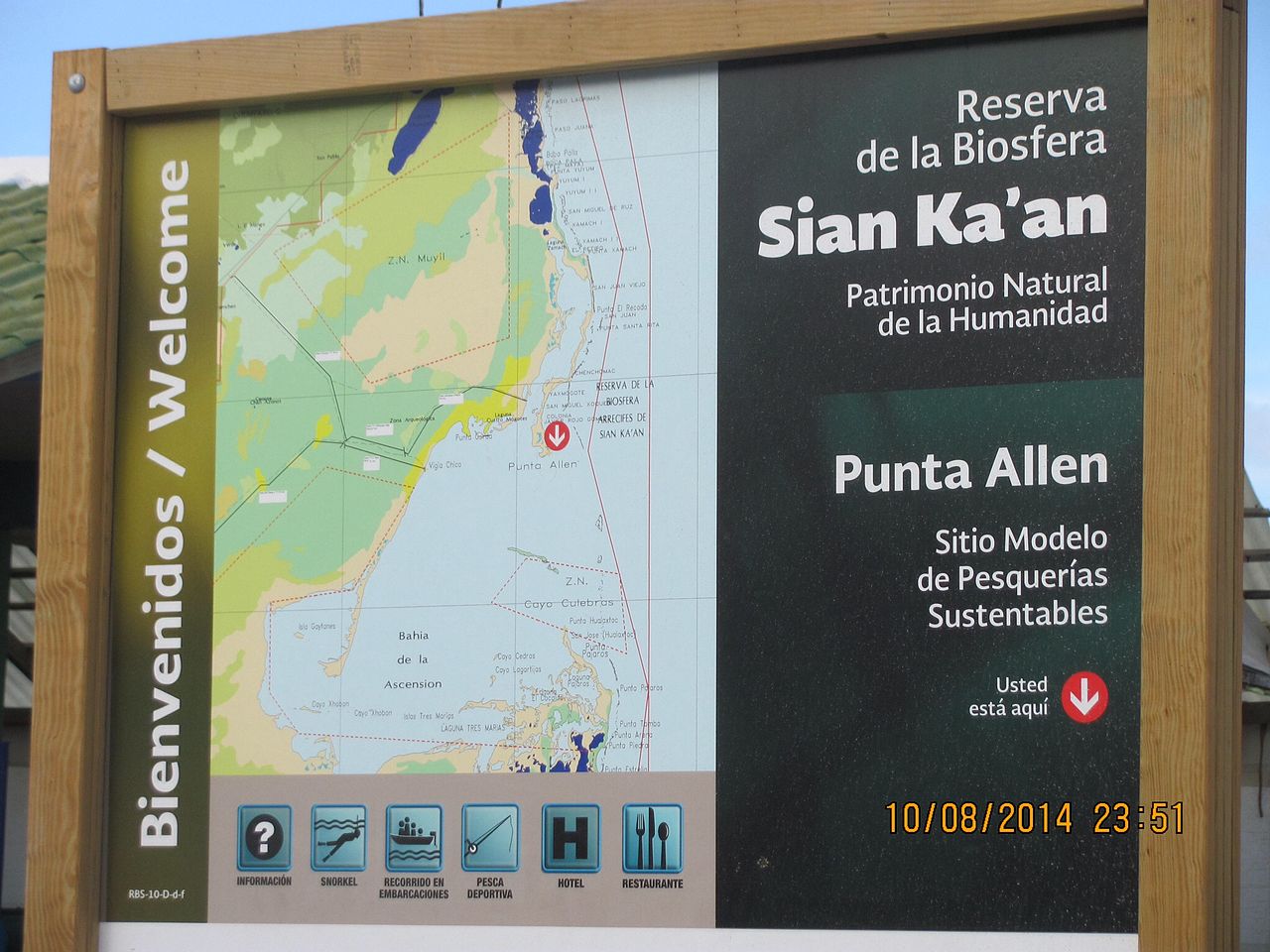
Sac Bajo: quieter waterfront stays and sunset views
Sac Bajo is on the western side of the island, south of the main town. It is known for waterfront accommodation, calmer bay views, and a more spacious feel than the north end. This is a good area for travelers who want to slow down, watch boats, and enjoy a hotel property rather than spend every hour moving between public attractions.
The peninsula works well for families who want a pool, on-site facilities, and room to spread out. It can also suit couples who prefer a quieter sunset setting. Some properties in this area are resort-like, while others are smaller hotels, apartments, or villa-style accommodation. Confirm exactly what is included before booking: a waterfront setting may be beautiful, but a private swimming beach, a usable dock, and a full restaurant are separate features.
Sac Bajo suits:
- Families who are comfortable using taxis or a golf cart.
- Travelers staying several nights and wanting a slower base.
- People who enjoy sunset views and bay-facing water.
- Guests who want more room, a pool, or resort facilities.
- Visitors planning to explore both north and south rather than stay on one beach.
It is less convenient for a no-transport trip. You can reach the north end, but you will be thinking about the return journey after dinner or an evening walk. Ask the property how guests normally get around, whether taxis are easy to arrange, and whether golf-cart parking is available. Do not assume that being on a main island road makes a hotel easy to reach with luggage; tropical heat and uneven sidewalks can make a short distance feel longer.
Sac Bajo is also a place where the wording of a listing deserves close attention. “Beachfront” might mean a narrow waterfront edge, a bay beach, a dock, or a view across the water. If your priority is swimming, ask about the bottom, currents, seaweed conditions, ladders, and whether swimming is allowed. If your priority is sunsets, ask which direction the rooms and common areas face.
 Isla Mujeres downtown street scene near the ferry and central town area
Punta Sur and the south end: quiet, scenic, and less walkable
Punta Sur is the southern end of Isla Mujeres and a very different proposition from Playa Norte. The coast becomes more dramatic, with cliffs, open sea, strong views, and the island’s well-known southern attractions. Hotels in and around this end are chosen for scenery, privacy, and the feeling of being away from the ferry-day rhythm.
This is where to look if the hotel should feel like a retreat. You may wake to sunrise over the Caribbean, spend time by a pool or terrace, and make the south-end scenery part of the stay. Some properties have a cliffside setting or direct waterfront access, but do not confuse the view with a conventional beach holiday. The eastern coast can be exposed, rocky, or unsuitable for casual swimming. Playa Norte remains the island’s more reliable choice for a classic calm-water beach day.
Punta Sur suits:
- Couples celebrating an occasion or seeking privacy.
- Repeat visitors who have already experienced the north end.
- Travelers who enjoy sunrise, cliffs, and open-water views.
- Guests booking a villa or resort where staying on-site is part of the plan.
- People comfortable using a golf cart, taxi, or organized transfer.
It is not the easiest base for a first-time traveler with one night on the island, an early ferry, or a long list of north-end restaurants. The distance is manageable with transport, but it is not a casual walk back after dinner. Check whether the property can arrange taxis, whether a golf-cart rental is practical, and how luggage is handled from the arrival terminal.
The south end also contains attractions that are worth visiting even if you do not sleep there. Punta Sur’s sculpture garden, coastal paths, and Ixchel associations give the island cultural and geographic depth beyond the beach. Garrafón and other nearby activity options may appeal to families or active travelers, but access policies, operating details, and inclusions change. Verify current conditions with the attraction or hotel before building a day around them.
What to ask a Punta Sur hotel
Ask whether the property has:
- A sandy swimming area, a dock, a ladder, or only a view.
- A restaurant open for the dates of your stay.
- Reliable taxi arrangements for evening returns.
- Golf-cart parking or a recommended rental partner.
- A route suitable for guests carrying luggage.
- Rooms protected from wind and exposed sea spray.
- Air conditioning and backup plans for power or water interruptions.
These are not signs that the south end is inconvenient. They are the normal questions that distinguish a scenic island retreat from a walkable town hotel.
 Coastal landscape and open Caribbean shoreline at Punta Sur on Isla Mujeres
Mid-island neighborhoods: space and a more residential setting
Between the north and south ends are neighborhoods that feel more local and less purpose-built for visitors. Accommodation here can include apartments, vacation homes, guesthouses, small hotels, and villas. The appeal is space, kitchens, terraces, and a quieter daily rhythm. You may see neighborhood shops and ordinary residential streets rather than a continuous line of beach businesses.
Mid-island is usually better for a longer stay than a quick weekend. If you are staying a week, working remotely, traveling with a larger group, or cooking some meals, having a kitchen and more room can outweigh the lack of immediate beach access. It can also be a good option for travelers who want to support smaller local accommodation rather than stay at a large resort.
The main compromise is transport. Before booking, map the route to the beach, ferry, nearest grocery, and restaurants you are likely to use. Ask whether the property provides bikes, whether a taxi can reach the entrance easily, and whether the road is well lit at night. A listing may be only a short distance from Playa Norte on a map but still require a hot walk along roads that are not designed for pedestrians.
Mid-island also demands more attention to the property itself. A hotel in town has nearby alternatives if you dislike the breakfast or the Wi-Fi. A remote villa may not. Read the amenities as operating information rather than decoration: refrigerator size, cooking equipment, laundry, filtered water, mosquito screens, shade, and internet reliability can affect a longer stay more than a rooftop photograph.
How to choose by traveler type
For couples
Couples generally choose between two strong formats. Stay near Playa Norte or Centro for easy dinners, sunset walks, beach time, and a lively atmosphere. Choose Punta Sur or a quiet waterfront property for privacy, views, and time spent at the hotel. Sac Bajo sits between those styles: calmer than the north but less isolated than the far south.
For a short romantic stay, convenience usually wins. Ferry day, beach day, and dinner day are already full enough without a long transfer. For an anniversary or a longer trip, a south-end room with a terrace or ocean view may justify the extra transport. Check whether the view is sunrise or sunset, and whether the water below the property is swimmable.
For families with children
Families often benefit from Playa Norte, Centro, or a property with a genuine swimming pool and easy food access. Playa Norte’s calmer, shallow water can be a major advantage, but children still need close supervision, shade, hydration, and respect for changing sea conditions. A resort farther south can work very well when it offers room, a pool, and on-site meals, provided the family is comfortable arranging transport.
Look for a refrigerator, reliable air conditioning, enough beds, blackout options, laundry access, and a bathroom layout that works for your group. Confirm whether children’s policies, cribs, extra beds, and meal plans are available for your dates rather than relying on a generic listing summary.
A central hotel can be easier with a baby because you can return quickly for naps and buy supplies nearby. A villa can be easier with older children because it provides space and a kitchen. There is no universal family winner; the right decision depends on whether you value walkability or room to spread out.
For solo travelers
Centro and Playa Norte are usually the most practical choices. They make it easier to join tours, find food, and return from the ferry without arranging a private transfer. A small hotel or guesthouse can provide a more social environment, while a private room in a central property gives you control over your own schedule.
If you choose the south end, confirm how you will get back after sunset and whether the property has staff available outside the standard arrival window. Solo travel does not require staying in the busiest area, but it rewards clear logistics.
For older travelers or guests with mobility needs
Ask detailed questions before booking. Isla Mujeres has heat, uneven surfaces, steps, sand, ramps of varying quality, and properties built around tropical terrain. A hotel described as “near the beach” may still require stairs or a sandy approach. Ask about elevator access, room location, bathroom design, transfer assistance, and the distance from the vehicle drop-off point to reception.
The ferry terminal and Centro may be easier than a cliffside or remote property, but the best choice depends on the individual traveler. Request photographs or a written description of the route into the room. Do not rely only on an accessibility icon on a booking platform.
For budget travelers
Compare the total stay, not just the nightly rate. A less expensive room in Sac Bajo or the south end may require daily taxis or a golf-cart rental. A modest room in Centro may save money on transport and make self-catering easier. A hostel or simple guesthouse can be excellent value if you are out exploring most of the day.
Budget travelers should also check whether taxes, cleaning fees, breakfast, beach-club access, bottled water, and cancellation conditions are included. Keep cash available for small businesses and local transport, while using a card where accepted. Exact prices change frequently, so treat old travel posts and screenshots as historical guidance rather than a promise.
For luxury and all-inclusive travelers
Isla Mujeres has upscale resorts, boutique properties, villas, and all-inclusive options, but the island is not simply a smaller version of Cancún’s Hotel Zone. The value of a luxury stay comes from the setting, service, views, privacy, and access to water as much as from the room itself.
Decide whether you want to leave the property. If the answer is rarely, choose a resort with the dining, pool, beach, and activities you actually use. If you want to explore restaurants and beaches, an adults-only boutique hotel or high-end suite near the north end may be more rewarding than paying for a full plan you will not use.
Check what “all-inclusive” covers. Some packages include specific restaurants, drinks, transfers, water activities, or access to a sister property; others do not. Verify whether ferry tickets and mainland transfers are separate. Also confirm how the hotel handles arrival if your ferry is delayed by weather.
Getting from the ferry to your hotel
Ultramar lists routes from Puerto Juárez and from Cancún’s Hotel Zone terminals such as Playa Tortugas and Playa Caracol. The ferry operator advises passengers to arrive at the terminal before departure and notes that schedules and rates can change. Check the current official schedule and fare information close to travel, especially around holidays, strong weather, and late-night arrivals.
On Isla Mujeres, the main arrival terminal is on Avenida Rueda Medina near the north-end town area. Playa Norte and Centro are the easiest areas for a short onward transfer. For Sac Bajo, mid-island, or Punta Sur, arrange a taxi, hotel transfer, or golf cart plan before you arrive. If your booking includes a transfer, confirm whether it meets the ferry or operates only at selected times.
Do not book a remote hotel on the assumption that a rental car from Cancún will solve the problem. Most visitors do not bring a mainland car to the island. A vehicle ferry exists for specific needs, but passenger travel is the normal pattern. In practice, a golf cart, taxi, or hotel-arranged transfer is the more useful question.
If you arrive with large luggage, ask about storage and stairs. Golf carts are fun for sightseeing but are not always the right vehicle for airport luggage. A taxi is usually simpler for the first transfer, followed by a golf cart rental once you have checked in.
Do you need a golf cart?
You do not need one if you are staying near Playa Norte or Centro and plan to spend most of your time walking, swimming, dining, and joining boat trips from the north. You will probably want one if you are staying in Sac Bajo, mid-island, or Punta Sur, or if you want to see the island’s southern sights in one day.
A golf cart also changes the character of the trip. You can stop at viewpoints, visit the south end, compare beaches, and return to a hotel outside the center without depending on a taxi. But rentals have rules, deposits, fuel or charging considerations, driver requirements, and time limits that vary by operator. Use a licensed rental business, inspect the cart before leaving, and confirm the return procedure.
For a one-night stay, renting a cart for the entire visit may be unnecessary. A taxi to the hotel and another ride to a planned attraction can be simpler. For three or more nights, the calculation changes. Ask the hotel where guests normally park and whether nighttime riding is practical for your group.
Hotel features worth prioritizing
Island accommodation needs are practical. Prioritize:
- Strong air conditioning and clear hours of operation.
- A refrigerator or kitchen if you are staying more than a few nights.
- Filtered drinking water or a clear refill option.
- Secure luggage storage if your ferry and check-in times do not line up.
- Shade around the pool or waterfront.
- A bathroom with reliable hot water and enough ventilation.
- Wi-Fi details if you need to work.
- Laundry access for beach-heavy trips.
- A clear cancellation policy.
- Staff who can explain taxi, ferry, and activity arrangements.
A sea view is wonderful, but it is not a substitute for sleep, cooling, and a workable arrival. In the humid Caribbean climate, damp towels and swimsuits need somewhere to dry. Hooks, balconies, ventilation, and outdoor drying space can be more useful than another decorative amenity.
If you are sensitive to noise, ask about nearby bars, beach clubs, generators, construction, and room position. If you are sensitive to mosquitoes, ask about screens and keep doors closed. If you plan to snorkel or dive, ask about gear storage and whether wet equipment can be rinsed.
When to book and what to verify
Isla Mujeres is popular year-round, but demand changes with school holidays, winter travel, Mexican holiday periods, long weekends, and special events. The best beach-located rooms can disappear well before arrival dates. Book early when your priority is a specific beachfront room, a family suite, an accessible room, or a property with limited inventory.
Before paying, verify the exact location on a map and confirm:
- Which neighborhood the property is in.
- Whether the room is beachfront, water-view, or simply near the coast.
- What transport is included from the ferry.
- Whether breakfast, taxes, cleaning, and resort fees are included.
- Whether the property accepts your payment method.
- The cancellation and no-show rules.
- The check-in window if you arrive after the last convenient ferry.
- The current conditions for beach access, pools, and on-site restaurants.
Search photographs are useful but should not be the only evidence. Read recent reviews for recurring issues rather than isolated complaints. Look for patterns involving noise, water, air conditioning, cleanliness, ferry transfers, and the accuracy of the location description.
Sargassum is another reason not to define an island hotel only by a beach photograph. Conditions vary by season, wind, shoreline, and day. Playa Norte often has a different experience from the open Caribbean side, but no beach is guaranteed to look the same throughout the year. If swimming is the central purpose of your holiday, ask the hotel for a current local update and keep a flexible plan.
A practical hotel decision for common trip lengths
One night
Stay in Playa Norte or Centro. The priority is minimizing transfers and maximizing the usable time between ferries. Walk to dinner, see Playa Norte at a quiet hour, and save the south end for a future visit unless you have a clear transport plan.
Two or three nights
You can choose any area, but Playa Norte and Centro remain the easiest. Sac Bajo becomes attractive if you want a resort day or a quieter base. Punta Sur is possible when the hotel experience is the reason for staying and you are happy to use a taxi or cart.
Four nights or more
Choose according to the experience you want rather than ferry convenience alone. A north-end base makes spontaneous beach and dining easy. A south-end or Sac Bajo property can feel more restorative over several days. A mid-island rental may offer the best space and value for a group.
A split stay
A split stay can work, but moving hotels costs time and involves luggage. It is most useful when you want both the walkable north and a quiet south-end retreat. Do not split for a single night unless the contrast is important to you. Isla Mujeres is small enough to explore from one base if transport is arranged.
Areas and hotel styles to avoid for your specific needs
There is no universally bad area, but there are mismatches. Avoid a remote south-end hotel if you want to walk to nightlife. Avoid a central room over a busy street if you need deep sleep. Avoid an inland villa if your dream is to step onto Playa Norte before breakfast. Avoid a resort package if you plan to eat elsewhere every night. Avoid a cliffside property if anyone in your party needs step-free access or easy swimming.
Be especially careful with listings that use broad labels such as “Isla Mujeres beach hotel” without naming the beach or neighborhood. Ask for the street, nearby landmark, water access, and realistic travel time to the ferry. An honest property will be able to answer those questions.
Is Isla Mujeres better as an overnight stay?
A day trip is enough to see the headline beach and some of the island’s north-end streets, but staying overnight gives you a better chance to experience the destination without ferry pressure. You can swim early, eat after the busiest day-trip period, watch the light change, and explore the south end without forcing every stop into one schedule.
An overnight stay also makes your hotel choice matter more. If you are only visiting for a few hours, the room is largely a base for luggage. If you stay two or three nights, the terrace, pool, breakfast, neighborhood, and evening atmosphere become part of the holiday. That is why the right area often matters more than a small difference in room category.
GuideCozumel vs Isla Mujeres: Which Quintana Roo Island Is Better for Your Trip?Cozumel and Isla Mujeres offer very different island escapes from the Riviera Maya and Cancún. Compare reefs, beaches, ferries, transport, crowds, costs, and the right trip length before choosing.OpenFrequently asked questions
What is the best part of Isla Mujeres to stay in?
For most first-time visitors, Playa Norte or Centro is best because it is walkable to the ferry, restaurants, shops, and the island’s most famous beach. Sac Bajo and Punta Sur are better when you prioritize quiet, space, or views and are comfortable using transport.
Is Playa Norte the best beach area for a hotel?
It is the best choice for convenient swimming and a classic beach stay. Check the exact beach access, because not every nearby hotel is directly on sand and conditions can change with weather and shoreline management.
Is Centro noisy?
It can be more active than the outer areas, especially around restaurants, bars, and main streets. Ask for a quiet-facing room if sleep matters. Centro’s benefit is walkability, so some activity is part of the trade-off.
Should I stay at a resort or a small hotel?
Choose a resort if you value on-site dining, pools, facilities, and a self-contained stay. Choose a small hotel if you want to explore restaurants, walk around town, and keep the hotel as a comfortable base. Neither format is automatically better.
Can I stay in Punta Sur without a golf cart?
Yes, but plan your taxis and meals in advance. A golf cart is convenient for exploring, while a hotel-arranged taxi can be enough for a short, quiet stay. Ask the property about evening transport before booking.
What is the best area for families?
Playa Norte or Centro works well for families who want easy access to food and calm-water beach time. Sac Bajo or a south-end resort can be excellent for families who prefer a pool, space, and on-site facilities. Check room configuration and transport rather than relying on the word “family-friendly.”
How close should I stay to the ferry?
If you have one or two nights, staying near the ferry is convenient. For a longer trip, you can stay farther away if the hotel experience justifies the transfer. Always allow time for check-in, luggage, traffic, and ferry procedures rather than planning a connection too tightly.
The simplest recommendation
If you are unsure, book Playa Norte or Centro for your first Isla Mujeres stay. You will have the easiest arrival, the greatest choice of food, and the freedom to spend the day on the beach without arranging a ride. Choose Sac Bajo when you want a quieter waterfront hotel and do not mind transport. Choose Punta Sur when you want scenery, privacy, and a retreat rather than a walkable beach-town base. Choose mid-island when space, a kitchen, or a local residential setting matter most.
The best Isla Mujeres hotel is the one that matches how you want to spend your evenings. If you want to walk out for tacos and a sunset stroll, stay north. If you want to hear the sea from a terrace and make the property your destination, look south. Decide that first, then compare rooms, policies, and current reviews within the area that fits your trip.

