The Riviera Maya has many attractive beaches, but not every beach is equally useful for swimming. Some face open Caribbean swell, some are protected by reef, some have rocky entries, and others are easy to reach only through a resort, restaurant or paid access point. The main drawback is variability: a beach that is calm and clear one morning can be rough, windy or covered with sargassum the next.
The most reliable approach is to choose a beach that fits your location and swimming ability, then check the day’s flag, wind and seaweed conditions before travelling. This guide focuses on practical swimming rather than photographs alone.
What makes a Riviera Maya beach good for swimming?
A good swimming beach usually combines several qualities:
- A gentle or manageable shore entry
- Limited boat traffic near the swimming zone
- Some shelter from direct swell
- Clear safety flags or local staff guidance
- Enough facilities to make the visit comfortable
- Practical access by car, taxi or public transport
- A realistic backup plan when sargassum is heavy
No beach can guarantee calm water. Reef-protected bays often feel gentler, but currents can still form around reef openings, boat channels and shifting sandbars. Open beaches may be excellent on a calm morning and unsuitable by afternoon.
Official Quintana Roo guidance uses beach flags to communicate risk. Green generally indicates safer bathing conditions, yellow means caution and red means do not enter. Follow the flag and lifeguard instructions even when the water looks calm from shore.
Quick comparison
| Beach | Best for | Main limitation | Typical visit |
|---|---|---|---|
| Punta Esmeralda | Families, easy public access, mixed-age groups | Busy at weekends; water changes after rain | Half day |
| Xpu-Ha | Broad sand, organised beach day, confident swimmers | Commercial access and variable shore break | Half to full day |
| Akumal Bay | Structured turtle experience and sheltered bay swimming | Regulated access, boats and busy zones | Two to four hours |
| Paamul | Compact bay, light snorkeling and lunch | Managed access, rocky areas and limited sand | Two to four hours |
| Soliman Bay | Calm-looking water, kayaking and villa stays | Difficult public access and limited facilities | Half day |
| Half Moon Bay | Snorkeling and reef scenery | Rocky entry, sea urchins and less comfortable casual swimming | Two to three hours |
| Playa Paraíso, Tulum | Open beach, scenery and long walks | Waves, currents, crowds and changing park access | Half day |
| Cozumel west coast | Clearer water, reef clubs and calmer conditions | Ferry and onward transport required | Full day |
Punta Esmeralda, Playa del Carmen
Punta Esmeralda is one of the most practical public beaches for families staying in Playa del Carmen. It combines a Caribbean shoreline with a shallow freshwater outflow that can create a gentler play area for children, although the exact shape and depth change with weather and sand movement.
The beach is worth choosing when you want public access, toilets and a less formal atmosphere than a resort beach. It is also one of the better-known inclusive public beach options in the area, but adapted equipment and assistance should still be confirmed before a dedicated accessibility visit.
The sea itself is not always calm. Wind and waves can affect the open shoreline, while rain can change water colour around the freshwater channel. Weekends and public holidays bring local families, music and limited parking.
A taxi is usually easiest from central Playa del Carmen. A rental car works when arriving early, but do not assume a convenient parking space later in the day. Plan two to four hours and bring shade, water and pesos for small local purchases.
GuidePunta Esmeralda Playa del Carmen Guide: Swimming, Access and Practical TipsPlan a practical beach day at Punta Esmeralda in northern Playa del Carmen, with advice on access, swimming, sargassum, facilities, families and inclusive beach services.Open
Xpu-Ha
Xpu-Ha is a long sandy beach south of Playa del Carmen and north of Akumal. It is one of the stronger all-round choices when you want a conventional beach day with restaurants, loungers and water activities available through different access points.
The beach often has a comfortable sandy entry, but it faces the Caribbean and can develop a noticeable shore break. Choose it when the flag is favourable and you are comfortable in open-water beach conditions. Weak swimmers and families with small children should stay close to shore and avoid areas used by boats or water-sports operators.
Access is generally commercial rather than municipal. Different entrances may have separate charges, minimum spends, parking arrangements and service levels. These change, so confirm the exact venue rather than treating an old online price as current.
A car or taxi is most practical. Highway colectivos can reduce the cost, but the final walk depends on the chosen entrance. Xpu-Ha suits a half-day or full day, especially when food, shade and bathrooms are included in the access arrangement.
GuideCenote Cristalino: Complete Visitor GuidePlan a practical visit to Cenote Cristalino near Xpu-Ha, including swimming, snorkeling, transport from Playa del Carmen or Tulum, what to bring, safety, nearby cenotes, and how to choose the right visit.Open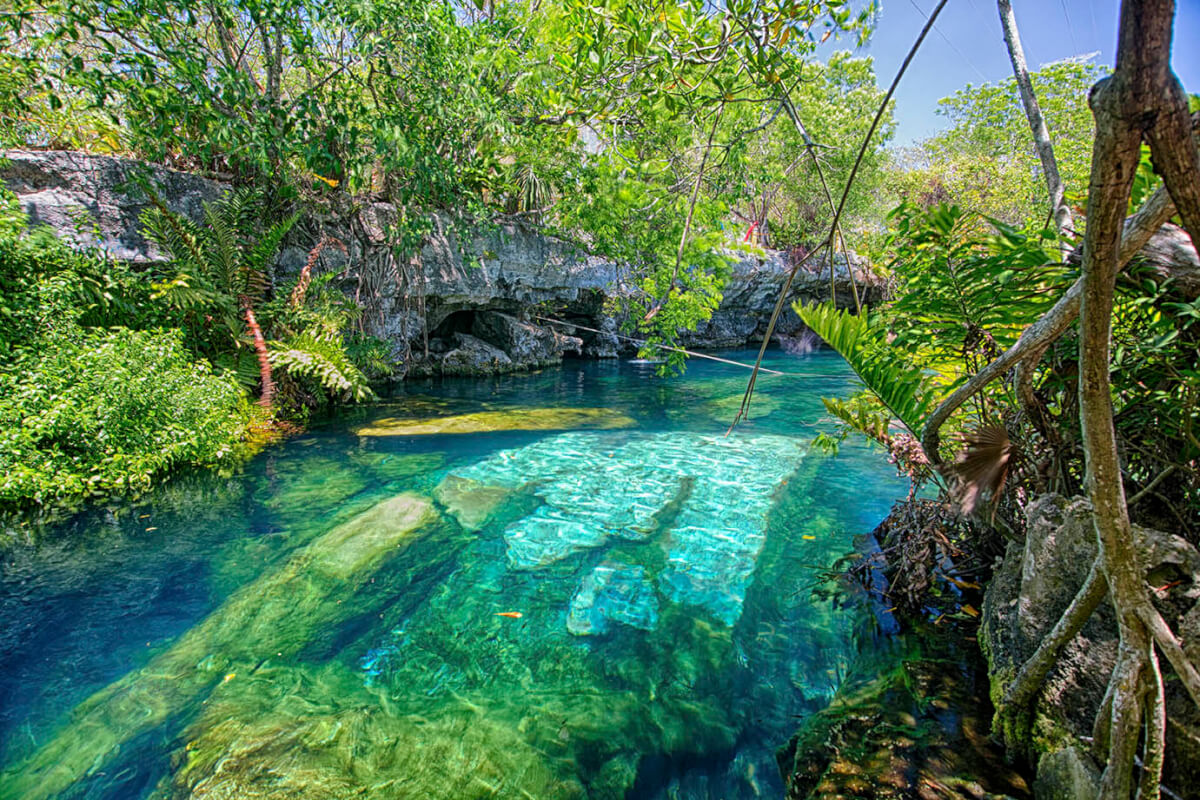
Akumal Bay
Akumal Bay is naturally more sheltered than many exposed beaches and is well known for seagrass habitat and sea turtles. It can be suitable for swimming, but it should not be treated as an unrestricted casual beach.
The bay operates with regulated snorkeling areas, designated routes and local rules intended to protect turtles and seagrass. Parts of the water are used by guides and small boats, so independent swimmers need to remain aware of marked zones and instructions.
Choose Akumal when you want a structured wildlife visit and are prepared to follow current access procedures. It is less suitable when the priority is a long, quiet swim with no guides, crowds or boat movement.
Arrive early, use an authorised entrance and ask which areas are open for ordinary swimming. Do not touch turtles, chase wildlife or stand on seagrass. Prices, access packages and equipment terms vary between operators, so verify them directly.
A taxi or car is easiest. Colectivos stop near the highway, followed by a walk into Akumal. Two to four hours is enough for most visitors.
GuideBest Beaches Near Akumal: Your Guide to Akumal Bay, Half Moon Bay, Jade Bay, South Akumal & Xpu-HaDiscover the best beaches near Akumal, Mexico, from the turtle-filled waters of Akumal Bay to the tranquil shores of Jade Bay and the pristine sands of Xpu-Ha. This guide covers access, facilities, snorkeling opportunities, and practical tips for each beach.Open
Paamul
Paamul is a small bay north of Puerto Aventuras with a hotel, restaurant and dive operation beside the shore. Its curved shape and reef can create manageable swimming on calm days, and it may suit travellers who prefer a compact beach-and-lunch stop.
The entry is not uniformly sandy. Rocks, coral fragments, seagrass and reef structure can appear close to shore, so water shoes may help. Snorkeling can be more interesting than at a purely sandy beach, but visibility falls when wind or sargassum increases.
Access passes through a managed beachfront complex. The shore is public under Mexican law, but internal roads, parking, bathrooms and restaurant facilities are privately operated. Confirm day-visitor arrangements before travelling.
Paamul is less suitable for toddlers, wheelchair users without confirmed assistance or anyone wanting a broad public beach with guaranteed parking. Plan two to four hours and combine it with Puerto Aventuras or another central Riviera Maya stop.
Soliman Bay
Soliman Bay, north of Tulum, is protected by offshore reef and often looks calmer than Tulum’s open beaches. It can work well for swimming, kayaking and paddleboarding when you are staying in the bay or have arranged legitimate access through a villa, restaurant or activity provider.
Its main problem is access. Most of the beachfront is lined by private accommodation, and public entry is not obvious. Parking, toilets and shade should never be assumed.
The inner bay may be gentle, but currents can form near reef openings and channels. Small boats, kayaks and paddleboards also use the water. Stay within a comfortable distance of shore and do not swim toward the outer reef without local advice.
Soliman Bay is best for villa guests, couples and families with a clear access plan. Travellers relying on public transport or needing dependable facilities may prefer Xpu-Ha or Punta Esmeralda.
GuideBest Beaches Near Akumal: Your Guide to Akumal Bay, Half Moon Bay, Jade Bay, South Akumal & Xpu-HaDiscover the best beaches near Akumal, Mexico, from the turtle-filled waters of Akumal Bay to the tranquil shores of Jade Bay and the pristine sands of Xpu-Ha. This guide covers access, facilities, snorkeling opportunities, and practical tips for each beach.OpenHalf Moon Bay, Akumal
Half Moon Bay is a curved residential bay north of central Akumal. It is better known for snorkeling than effortless sandy swimming.
The reef and rocky seabed support marine life, but entries can be uneven and sea urchins may be present. Water shoes and careful footing are useful. The bay can be calm, yet floating sargassum and wind still affect visibility and comfort.
Choose Half Moon Bay when snorkeling is the priority and you have access through accommodation, a restaurant or an agreed day arrangement. It is not the strongest option for small children, nervous swimmers or anyone wanting soft sand underfoot throughout the swimming area.
Parking and public access are limited in the residential zone. A taxi, bicycle from Akumal or accommodation-based visit is often easier than arriving without a plan.
GuideBest Beaches Near Akumal: Your Guide to Akumal Bay, Half Moon Bay, Jade Bay, South Akumal & Xpu-HaDiscover the best beaches near Akumal, Mexico, from the turtle-filled waters of Akumal Bay to the tranquil shores of Jade Bay and the pristine sands of Xpu-Ha. This guide covers access, facilities, snorkeling opportunities, and practical tips for each beach.OpenPlaya Paraíso and Tulum’s open beaches
Tulum’s beaches are visually appealing and convenient for travellers already staying nearby, but they are not consistently the calmest places to swim. The coastline faces open Caribbean swell, and waves or currents can strengthen quickly.
Playa Paraíso and nearby public sections can be enjoyable when the flag is green or yellow and the shore break is modest. They suit confident swimmers, couples and travellers who value a long beach walk as much as time in the water.
They are less suitable for toddlers or weak swimmers on windy days. Beach access, parking and transport in Tulum also change as park rules and traffic management evolve. Confirm the current entrance route, transport options and any conservation-area requirements before setting out.
Go early for lower heat and easier movement. Avoid planning a swim after heavy drinking, during storms or when a red flag is displayed.
GuidePlaya Paraíso Tulum Guide: Access, Swimming and Practical TipsPlan a visit to Playa Paraíso in Tulum with current access information, transport options, swimming conditions, sargassum advice, costs and practical tips.Open
Cozumel’s west coast
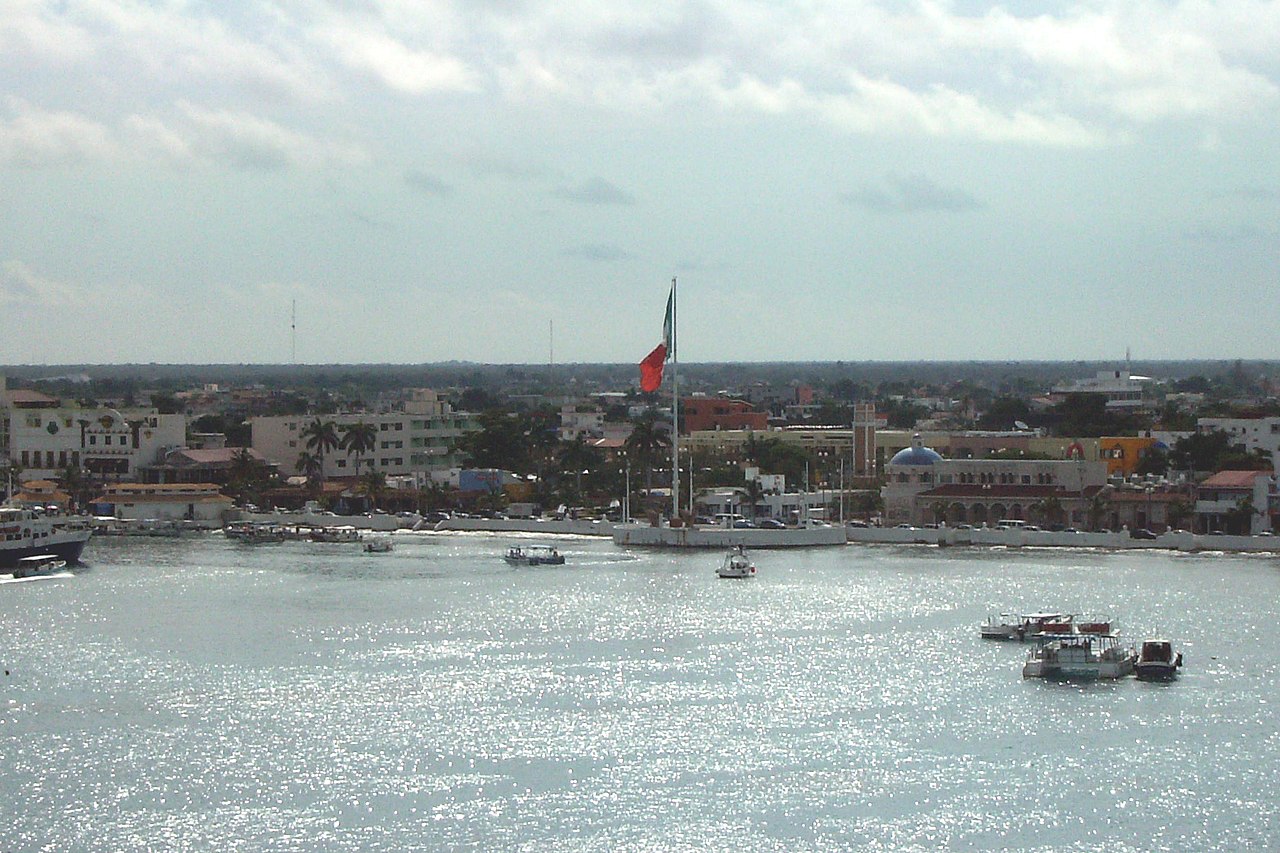
Cozumel is not on the mainland, but its west coast is often the most dependable choice for travellers willing to make a full-day trip for clearer, more sheltered water. Many swimming and snorkeling clubs face the channel toward the mainland, reducing direct exposure to open Caribbean swell.
Entries vary. Some clubs have sandy shallows, while others use steps into deeper water over rock or reef. Ask about the entry before paying, particularly for children or travellers with limited mobility.
The ferry from Playa del Carmen adds cost and logistics, and beach clubs have their own prices, hours and minimum-spend policies. Ferry schedules can also change with weather and operator decisions. Confirm both the outward and return journey on the day.
Cozumel works best as a full-day excursion. It is less practical when you have only a few hours or need a completely free beach day.
Beaches that look calm but require caution
Reef protection can create a smooth surface without removing every hazard. At Akumal, Soliman and Paamul, pay attention to:
- Boat routes and marked channels
- Reef openings where water moves more strongly
- Rocks, coral and sea urchins underfoot
- Seagrass that hides uneven ground
- Sudden wind changes
- Reduced visibility after rain or heavy sargassum
Inflatable toys can drift quickly and are not safety equipment. Children should remain within reach, and inexperienced swimmers should use a properly fitted flotation aid where appropriate.
Sargassum, jellyfish and seasonal conditions
Sargassum can affect every mainland beach in this guide. The heaviest arrivals are often associated with warmer months, but timing and intensity vary by year. Reef-protected bays are not immune; some can trap floating seaweed once it enters.
Check a same-day beach report, recent photograph or direct message from the venue. Resort cleaning can improve the sand without clearing offshore mats or brown nearshore water.
Jellyfish and small stinging organisms can appear with currents and seasonal changes. Their presence is difficult to predict. Leave the water if swimmers report stings, and follow local warnings.
Rain does not automatically make swimming unsafe, but thunderstorms do. Leave the sea when lightning is present. After heavy rain, runoff can temporarily reduce water clarity around urban outlets and freshwater channels.
Family-friendly choices
For families, the practical ranking depends on conditions and facilities rather than one permanent winner.
- Punta Esmeralda: strongest public option when the sea is manageable and you arrive early.
- Xpu-Ha: useful for a serviced beach day with food, shade and bathrooms confirmed.
- Akumal: suitable for older children who can follow wildlife and snorkeling rules.
- Cozumel west coast: good for a planned full day when the chosen club has an easy entry.
- Soliman Bay: best when staying in a villa with direct access and known facilities.
Families with babies or toddlers should prioritise shade, toilets, short walking distances and a calm backup pool over the reputation of the beach alone.
Accessibility considerations
No natural beach should be assumed fully accessible. Soft sand, uneven roads, steps and changing waterlines create barriers even where a property advertises accessibility.
Punta Esmeralda has a stronger public reputation for inclusive beach services than many smaller bays, but equipment availability, staffing and the route to the water should be confirmed directly.
At commercial beaches and clubs, ask specific questions:
- Is there step-free parking and entry?
- Can a wheelchair reach the restaurant and toilets?
- Is there a firm path toward the sand?
- Is adapted bathing equipment available?
- Does the water entry use sand, steps or rock?
What to bring
For most swimming beaches, bring:
- Drinking water
- Hat and protective clothing
- Towel
- Reef-conscious sun protection
- Cash in pesos as a backup
- Waterproof phone pouch
- Water shoes for rocky bays
- Insect repellent for vegetated or mangrove areas
- Dry clothing for the return journey
- Any medication required for the day
Avoid leaving valuables visible in a rental car. Do not bring glass to the sand, and take rubbish away when bins are unavailable.
How long to spend and what to combine
A public or compact bay usually needs two to four hours. A beach club or Cozumel excursion can justify a full day.
Useful combinations include:
- Punta Esmeralda with central Playa del Carmen
- Xpu-Ha with Puerto Aventuras
- Akumal Bay with lunch in Akumal village
- Paamul with Puerto Aventuras
- Soliman Bay with a nearby cenote when access is confirmed
- Tulum beach with the town, but not on a tightly timed ruins itinerary
- Cozumel west coast with San Miguel before the return ferry
Do not combine several beaches in one day merely to compare them. Road traffic, parking and changing sea conditions reduce the value of rushing between stops.
Practical final advice
Choose the beach closest to your accommodation that has suitable access and a favourable flag on the day. For most travellers, Punta Esmeralda, Xpu-Ha and a carefully chosen Cozumel west-coast club offer the clearest balance of swimming, facilities and practical arrival. Akumal, Paamul and Soliman Bay work better when the access arrangement is understood in advance.
Check wind, flags, sargassum and thunderstorms before leaving. Confirm prices, hours, parking and accessibility directly because these details change. When the sea is rough or heavily affected by sargassum, use a cenote or pool rather than forcing an unsafe or unpleasant beach day.