
Bacalar is a freshwater destination, not a smaller version of Playa del Carmen. The main reason to come is the Lagoon of Seven Colors: a long inland body of water whose shallow shelves, deep cenotes, pale limestone bottom, mangroves, and changing light create bands of blue that look different from one hour to the next. Around it, you can paddle, sail, swim, eat, learn about frontier history, and slow down in one of southern Quintana Roo’s most distinctive towns.
The best things to do in Bacalar are spread between the town waterfront, the lagoon itself, and the southern shore. That geography matters. A morning boat or kayak outing is easy to combine with the fort and central restaurants, while Los Rápidos and several lagoon clubs require a separate road trip. If you only have one night, choose one water experience and the fort. With two or three nights, you can see the lagoon in different conditions, add a southern attraction, and leave enough space for weather rather than racing from one stop to the next.
Bacalar is especially good for travelers who like warm freshwater, small-town restaurants, photography, kayaking, sailing, and quiet mornings. It is less suitable if you want a conventional Caribbean beach, a dense nightlife scene, or a day packed with guaranteed indoor attractions. The lagoon is also ecologically sensitive. Responsible choices are not an optional extra here: they are part of having a good visit.
Quick answer: what should you do in Bacalar?
If it is your first visit, organize the trip around these priorities:
- Spend time on the Lagoon of Seven Colors. Choose a calm boat, sailing, kayak, or paddleboard outing rather than viewing the water only from shore.
- See the lagoon’s different environments. Cenote Negro, the Pirate Canal, Isla de los Pájaros, and the shallow southern areas are experienced best from the water, subject to current local access rules.
- Visit Fort San Felipe. The compact fort in town adds history and a useful explanation of Bacalar’s location on a contested inland route.
- Choose one southern excursion. Los Rápidos, Cenote Cocalitos, Cenote Azul, and other access points are not interchangeable, so select according to your interests and available time.
- Eat and walk in the center. Bacalar’s cafés, taco shops, restaurants, murals, and plaza are part of the destination, not merely services between water activities.
- Protect the lagoon. Do not touch or stand on stromatolites, follow bathing and boating rules, and ask locally whether products such as sunscreen are allowed in the water.
| If you want… | Start with… | Plan for… |
|---|---|---|
| The classic Bacalar experience | A morning lagoon outing | Several hours on the water and a flexible weather plan |
| A low-cost day | Fort San Felipe, town walks, and a public waterfront access point | Confirming current access and bringing cash for small local purchases |
| A family-friendly day | Calm lagoon swimming, a short boat trip, and the fort | Shade, drinking water, flotation confidence, and breaks from the heat |
| Nature and photography | Early paddling, cenote views, and the southern lagoon | Sun position, wind, and careful distance from fragile formations |
| A road-trip stop | One lagoon activity plus the fort | Parking, road conditions, and enough time for the next destination |
1. Explore the Lagoon of Seven Colors by boat
A lagoon outing is the most complete introduction to Bacalar. From the water, the destination makes more sense: broad turquoise shallows give way to darker blue channels; islands and mangrove edges interrupt the horizon; and the bottom changes from pale sand to deep cenote water. You are not simply looking at a pretty lake. You are moving through a connected karst-water landscape.
Boat tours vary by operator, group size, route, and weather. Current listings show shared and private options, including trips of roughly several hours that combine swimming with views of cenotes, channels, or the Pirate Canal. Do not assume that every product includes the same stops or that a listing’s departure point is interchangeable with your hotel. Read the current meeting-point and cancellation details before booking.
Compare current Bacalar Lagoon tours on GetYourGuide · See Bacalar boat excursions on Viator
A boat works well for travelers who want orientation without intense exercise, families with mixed swimming ability, and couples who prefer a relaxed half-day. A private outing can make sense for a group that wants more control over timing, but the right choice depends on the live product and weather, not only on the word “private” in a title. Ask what is included, how long the boat remains at each stop, and whether swimming is optional.
Go early when possible. Morning light often gives the shallow water its strongest contrast, and an early start can be more comfortable before the heat builds. Wind can change the surface quickly, so do not judge the entire lagoon by a choppy afternoon. Pack water, a dry change of clothes, a hat for time between shaded areas, and a waterproof way to protect your phone. Follow the captain’s instructions around channels, swimmers, birds, and stromatolites.
 A broad view across Bacalar Lagoon in Quintana Roo

2. Try sailing, kayaking, or paddleboarding
A motorboat is convenient, but a slower craft gives you a different Bacalar experience. Sailing makes the lagoon feel spacious and quiet when the wind cooperates. A kayak or paddleboard lets you notice small changes in water color, shoreline vegetation, and bird activity that can pass unnoticed from a larger boat. It also gives you more responsibility for distance, balance, and route planning.
Choose the craft according to your experience and the day’s conditions. Beginners should favor a calm, guided outing or a sheltered access point rather than launching into open water in strong wind. Paddleboards are enjoyable on still mornings but become tiring when the surface is moving. Kayaks offer more stability for many travelers, though a tandem boat can be awkward if paddlers have different rhythms.
Do not turn a paddling session into a race to reach every named attraction. The lagoon’s value is in the unhurried movement between environments. Take breaks in permitted areas, keep a safe distance from boats, and do not land on sensitive formations or bird habitats. Ask the rental provider where you may swim, where you should not beach the craft, and what to do if wind increases.
For an overnight base, a lagoon-front stay can be convenient if you want to launch early or use a private dock, while a central room is often better for restaurants and evening walks. Waterfront access is not identical from one property to another, so check the current listing carefully rather than assuming “near the lagoon” means direct swimming access.
Check current Bacalar hotel availability on Booking.com · Compare Bacalar stays on Trip.com
3. See Cenote Negro from the lagoon
Cenote Negro, also called the Black Cenote or Cenote de la Bruja, is one of the most striking visual changes in Bacalar. The lagoon’s pale, open shallows shift toward a much darker blue where the bottom drops sharply. The contrast is easiest to understand from the water, especially when a boat, kayak, or paddleboard approaches gradually rather than rushing over it.
The dark color does not mean that Cenote Negro is a separate Caribbean-style swimming attraction. It is part of the lagoon system, and depth, light, and water clarity affect how it looks. Visitors should follow the captain or local access guidance, use sensible swimming judgment, and avoid treating the drop-off as a photo prop. If you are not a confident swimmer, enjoy the view from the boat and say so before entering the water.
Cenote Negro is often discussed alongside Cenote Esmeralda, Cocalitos, and the Pirate Canal, but a list of names should not become a promise that every tour visits every place. Routes change with wind, water conditions, local restrictions, and the product you select. Ask for the actual itinerary on the day.
4. Visit the Pirate Canal
The Canal de los Piratas is one of the lagoon’s most recognizable areas. It is associated with the historic water route and is known today for shallow, unusual-colored water, mangrove scenery, and a landscape that looks different from the open lagoon. Many organized boat trips use it as a principal stop, while kayakers and paddleboarders may approach depending on conditions and local rules.
The canal is a good place to slow down and observe rather than expecting a conventional attraction with a queue and a single viewing platform. The bottom can be shallow and fragile. Do not scrape it with a paddle, walk on formations, collect mud or shells, or encourage other visitors to climb onto delicate areas for photographs. If a local operator directs you to remain in the boat, treat that as part of the visit rather than an inconvenience.
The canal’s historical name can also create exaggerated stories. Bacalar has a genuine frontier and piracy history, but individual claims about buried treasure, exact routes, or specific events are often simplified for visitors. A good guide will distinguish documented history from local storytelling. You can enjoy the setting without needing a dramatic legend attached to every bend.
Compare Bacalar boat routes on GetYourGuide · Browse Viator Bacalar lagoon experiences
5. Look for Isla de los Pájaros responsibly
Isla de los Pájaros, or Bird Island, is commonly included in descriptions of Bacalar lagoon routes. It is valued for birdlife and its position within the lagoon, not as a place to disembark and chase wildlife. The best visitor behavior is quiet observation from an appropriate distance. Birds need space, especially when feeding, nesting, or resting.
Bring binoculars if you have them, but do not use loud music, drones, flash photography, or food to attract animals. A boat captain who keeps distance is making the right choice even if it produces a less dramatic photograph. Wildlife encounters are not guaranteed, and a responsible visit accepts that the island belongs to the birds first.
If you are choosing between a fast checklist cruise and a slower nature-focused trip, look at the route description and reviews for clues about pace. Do not rely only on a product’s marketing phrase. Current availability, departure points, and stop lengths should be checked before paying.
6. Swim from a permitted waterfront access point
Bacalar’s swimming experience is based on docks, grassy waterfront areas, balnearios, and lagoon-front properties rather than a continuous public beach. Some access points are public, some charge local entry or service fees, and some belong to lodging or restaurants. Rules and conditions can change, so confirm the current access arrangement when you arrive.
Swimming is most pleasant when you plan around shade and heat. The freshwater can feel gentle, but sun exposure is still intense. Bring drinking water, a towel, sandals for the path, and a cover-up for time out of the water. Children should remain supervised around docks and deeper sections even when the surface looks calm.
Ask before applying sunscreen or entering with products. Bacalar’s lagoon and microbialite formations are sensitive, and local rules may restrict sunscreen or other cosmetics in the water. A rash guard, hat, and shade are often more useful than relying on a product that may not be permitted. Never use the stromatolites as seats, steps, anchors, or handholds.
7. Visit Cenote Cocalitos and learn about stromatolites
Cenote Cocalitos is associated with shallow lagoon water, hammocks, and stromatolites. It is an appealing stop because you can see the relationship between the lagoon’s recreational side and its fragile natural systems in one place. The formations may look like ordinary rocks, but they are living or actively developing microbial structures and can be damaged by touch, pressure, pollution, and repeated foot traffic.
The correct way to visit is simple: look, photograph from a respectful position, and stay where access is allowed. Do not stand on them, move them, rub them, or place belongings on top. If a sign or caretaker asks you to keep out of a section, comply even if other people are ignoring the rule. A short photograph is not worth contributing to the loss of a formation that develops over a very long time.
Access, entry arrangements, food service, opening conditions, and swimming rules can change. Confirm locally on the day and carry pesos for small access points when practical. Cenote Cocalitos is south of the central town area, so combine it with other southern stops only if you have a reliable route and enough time.
 Freshwater shoreline and lagoon scenery in Bacalar

8. Spend time at Los Rápidos
Los Rápidos is a southern Bacalar-area attraction known for a gentle current, water access, mangrove scenery, and the chance to float or relax beside the lagoon system. It is not in the central town, so it works best as a dedicated outing or part of a planned southern loop. Travel time, road conditions, entrance arrangements, weather, and water conditions should be confirmed locally.
The current can be fun, but do not assume it is equally suitable for everyone. Follow staff instructions, use available safety equipment, and keep track of children and loose belongings. A dry bag is useful, but secure it properly so it does not become litter. If the current or weather feels beyond your comfort level, enjoy the shoreline and skip the float.
Los Rápidos is often paired in travel plans with Cenote Azul, Cocalitos, or other southern stops. That can work with a car, but trying to fit every place into a half-day can leave little time at each one. Pick the experience that matters most. If you want a slow swim and lunch, stay at Los Rápidos longer. If your priority is lagoon photography, choose an early stop and allow for light and traffic.
9. See Cenote Azul as a separate freshwater stop
Cenote Azul near Bacalar is an open-air freshwater cenote, distinct from the cenotes seen within the lagoon route. Its deep blue water and open setting appeal to swimmers and travelers interested in the region’s karst landscape. Do not confuse it with Cenote Azul near Playa del Carmen; the same name is used for different places in Quintana Roo.
Check the current access rules, depth guidance, facilities, and swimming conditions before entering. A cenote can look calm while still requiring honest judgment about your swimming ability. Use a life jacket where required, do not jump unless an operator explicitly permits it, and keep children within immediate reach. Avoid bringing glass, food, or objects that can fall into the water.
Cenote Azul is a better choice for travelers with a car or a flexible transfer plan than for someone trying to walk from Bacalar’s center. Map routes can be imperfect on smaller roads. Use a current local map, allow extra time, and do not build a flight connection around a chain of unverified stops.
10. Walk through Bacalar and visit Fort San Felipe
Fort San Felipe is the strongest non-water attraction in town. The Spanish-built fortress sits near the lagoon and explains why Bacalar developed as a frontier settlement rather than simply as a picturesque lakeside village. Its walls, defensive layout, museum displays, and position near the center make it easy to combine with a morning walk, lunch, or an evening around the plaza.
The fort is compact enough for most travelers to visit without sacrificing an entire day. Exact admission, hours, exhibit arrangements, and closure days can change, so verify current details locally or through the relevant official channel before setting out. Go earlier if you want cooler conditions and better time for the lagoon afterward.
The museum context matters. Bacalar’s past includes colonial defense, the timber trade, Indigenous resistance, regional conflict, and changing relationships between local communities and outside powers. Do not reduce the history to a romantic “pirate town” story. Read the exhibits, allow the region’s complexity to remain visible, and remember that historical sites are places of memory as well as photo backdrops.
 Fort San Felipe de Bacalar in Quintana Roo
For the deeper background and a focused visit plan, read the Fort San Felipe Bacalar visitor guide.
GuideFort San Felipe, Bacalar: Complete Visitor GuideFort San Felipe is Bacalar’s compact historic fortress and museum, with lagoon views and a useful introduction to the town’s colonial, Maya, and pirate-era history. Here is how to visit, what to see, and how to combine it with the lagoon.Open
11. Explore murals, crafts, and the central streets
Bacalar’s center rewards a slow walk between meals and water activities. Look for murals, small galleries, independent shops, and local streets rather than expecting a large shopping district. The town’s visual identity is part of the experience, but do not photograph residents, private homes, or working businesses as if they were scenery without permission.
A walk is also practical. It helps you compare the waterfront with the central plaza, identify where breakfast is available, and understand whether your hotel is genuinely walkable to dinner. Heat and rain can arrive quickly, so carry water and use the shade when available. The best time for a longer town walk is usually morning or late afternoon, not the hottest part of the day.
Buy from local businesses when you find something you genuinely want, but do not treat bargaining as a requirement for every small purchase. Ask whether a card is accepted, keep some pesos available, and avoid assuming a shop’s posted schedule will remain unchanged in low season.
 A Bacalar mural in the town of Bacalar, Quintana Roo
12. Make meals part of the itinerary
Bacalar is small, but it has enough variety to make food a reason to stay. The center is useful for breakfast, tacos, cafés, and casual dinners, while lagoon-side restaurants are better when you want a longer meal with a view. Menus, hours, reservations, payment methods, and availability change, so choose based on current information rather than an old ranking.
For a practical plan, eat a substantial breakfast before an early water outing, carry a snack if you are heading to a southern attraction, and make dinner flexible. A restaurant may be full after a popular sunset boat return, particularly on weekends or holidays. If you have allergies or dietary restrictions, communicate them clearly and have a backup option.
Bacalar is not the place to rush through three restaurant neighborhoods in one night. Stay near the center if evening walkability matters. Choose a lagoon-front meal when the view is the purpose, not because every waterfront venue automatically offers the best food. For more specific meal planning, use the Bacalar restaurant guide.
13. Choose the right Bacalar base
The town center is usually the easiest base for independent travelers who want restaurants, shops, the fort, and a more practical evening routine. A lagoon-front property is more appealing if you want a dock, sunrise views, or the possibility of paddling directly from where you sleep. Farther shore properties can be quiet and beautiful but may require more planning for dinner, supplies, and transfers.
Do not book by the phrase “lake view” alone. Check whether the property has direct water access, whether swimming is permitted, how far it is from the center, and whether transport is available after dark. A room beside the lagoon does not guarantee a sandy beach, a private boat dock, or easy access for a kayak.
Two nights is a good balance for many first visits. One night can work on a road trip if you book a morning or afternoon activity in advance. Three nights allow a calmer pace and more flexibility if wind cancels a paddle or rain changes your plan.
Check Bacalar rooms and current rates on Booking.com · Compare Bacalar hotels on Trip.com
14. How to plan a one-day Bacalar itinerary
A one-day visit is possible, but start early and choose priorities. A workable structure is a morning lagoon outing, lunch in or near the center, Fort San Felipe in the afternoon, and a short town walk before leaving. This plan keeps the main experiences close together and avoids pretending that every southern attraction is nearby.
If Los Rápidos is your priority, make it the central activity and treat the fort or a town meal as the shorter addition. If you want Cenote Cocalitos and other southern access points, group them geographically and confirm each stop before leaving. Do not add a long boat trip, Los Rápidos, a fort visit, and a separate cenote swim to one day unless you have checked the actual travel times and opening arrangements.
A day trip from Cancún or Playa del Carmen is possible but demanding. Bacalar is far enough south that road time can dominate the experience. It makes more sense as a stop between destinations or as an overnight from the Riviera Maya, Chetumal, Costa Maya, or a border route. If you are relying on public transport, build the itinerary around confirmed departures and taxis rather than assuming you can improvise the southern loop.
15. How to plan two or three nights
With two nights, arrive early enough to settle in and take a gentle walk. Use the next morning for the lagoon, then visit the fort and have dinner in town. On the second full day, select either Los Rápidos, Cocalitos, Cenote Azul, or another confirmed southern stop. Keep the final morning for a short paddle, swim, or breakfast rather than risking a complicated excursion before checkout.
Three nights allow more choice. You can put the lagoon on the clearest or calmest morning, reserve a separate day for the southern road, and leave one flexible block for food, the fort, or weather recovery. This is especially useful during the rainy season or on trips with children, when an outdoor schedule often needs adjustment.
Do not over-schedule sunrise and sunset every day. Bacalar is best when the lagoon is part of the day, not when every hour becomes a photograph appointment. Sleep, shade, meals, and unplanned pauses improve the visit.
16. Getting around Bacalar
Central Bacalar is manageable on foot for many travelers, though heat, rain, luggage, and the exact location of your hotel matter. Bicycles can be useful, but confirm where you can safely ride and lock them. Taxis may cover town-to-waterfront journeys, while a rental car is more convenient for Los Rápidos, Cenote Azul, Cocalitos, and other outlying stops.
If you rent a car, avoid driving after a long flight or late-night arrival unless you are rested and comfortable with the route. Leave time for fuel and navigation, and use a current map rather than relying on a saved pin. Smaller roads, rain, construction, and limited lighting can change the practical journey.
Organized tours can simplify the lagoon itself, but they do not automatically solve every transfer. Confirm whether pickup is included, where you meet the boat, and what happens if your hotel is outside the central area. Never transfer a meeting point, duration, or inclusion from one marketplace product to another.
17. Weather, water, and comfort
Bacalar’s outdoor activities depend on sun, wind, rain, and heat. Clear mornings can show the lagoon’s strongest colors, while wind can make open-water paddling tiring. Rain can reduce comfort and alter plans without making the destination worthless. Carry a light rain layer, protect electronics, and keep a flexible alternative such as the fort, town food, or a slower hotel afternoon.
Freshwater does not remove sun risk. Use shade, protective clothing, and drinking water. If sunscreen is permitted in a particular area, follow local guidance; otherwise rely on a rash guard and hat. Wear footwear that can handle docks, uneven paths, and wet ground.
For swimming, be honest about depth and current. Life jackets are sensible on boats and useful for children or uncertain swimmers. A calm surface is not a guarantee of safety. Follow staff and captain instructions even when you have seen other visitors do something different.
18. Responsible travel in the lagoon
The Lagoon of Seven Colors is the reason Bacalar is popular, and growing visitor numbers make care more important. Stromatolites and microbialites are fragile. Do not touch them, stand on them, anchor on them, or use them as a place to pose. Keep food, plastic, and cigarette waste out of the water. Do not feed birds or fish, and do not use music to turn a quiet nature stop into a party.
Choose operators who explain the rules and respect no-go areas. A captain who declines a requested stop because of wind, wildlife, or conservation guidance is protecting the experience. Avoid assuming that a bigger group, louder boat, or longer list of stops is better value.
Respect local access. Some shoreline areas are private, some are community-managed, and some have separate arrangements for swimming or food. Pay legitimate access charges, follow posted instructions, and do not climb fences or enter docks because they look empty. Bacalar is a living town, not an attraction built solely for visitors.
19. What not to do in Bacalar
Do not treat Bacalar as an ocean beach. There are no waves or coral reefs to substitute for the Caribbean coast, and the lagoon’s charm is its freshwater character. Do not book a complicated same-day return to the coast without allowing for road delays. Do not assume an old blog’s prices, hours, or route still apply.
Do not stack every named cenote into one rushed tour. Cenote Negro, Cocalitos, Cenote Azul, and Cenote Esmeralda have different settings and access arrangements. Do not enter a water activity without understanding where you meet, what you bring, and whether swimming is optional.
Do not buy a disposable product for a five-minute photograph, do not leave wet towels or packaging on public waterfronts, and do not pressure local businesses to bend rules for your itinerary. The town works better when visitors leave room for local life.
20. Is Bacalar worth adding to a Riviera Maya trip?
Yes, if you want a change of landscape. Bacalar adds freshwater, open sky, small-town dining, and southern Quintana Roo history to an itinerary otherwise centered on beaches, cenotes, and resort corridors. It works especially well after time in Playa del Carmen or Tulum, before Chetumal or Costa Maya, or as part of a longer road trip.
It is not the most efficient choice for a very short beach holiday. The journey south is meaningful, and the destination deserves more than a hurried photograph from a roadside stop. If you can stay two nights, the lagoon, fort, food, and one southern excursion form a balanced visit. If you can stay three, you can let weather and water conditions guide the schedule.
Bacalar’s best attraction is not a single viewpoint. It is the combination of a changing freshwater landscape, quiet movement on the lagoon, a compact historic center, and the chance to travel at a slower pace. Plan one excellent water experience, add the fort and a good meal, then choose only as many southern stops as you can enjoy without rushing. That balance will give you a more memorable Bacalar visit—and help protect the lagoon that brought you there.
GuideXenses Guide: Is This Sensory Park Worth Visiting in the Riviera Maya?A practical Xenses guide for planning a half-day at the sensory park near Playa del Carmen, including the experiences, transport, clothing, accessibility, food, and how it compares with Xcaret, Xel-Há, and Xplor.Open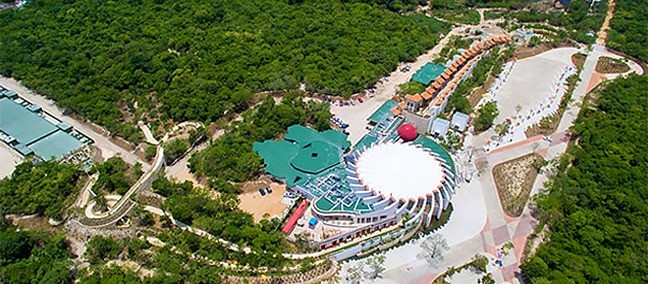
Frequently asked questions
Can you swim in Bacalar Lagoon?
Yes, swimming is popular at permitted waterfront access points and during many boat or sailing outings. Follow current local rules, use sensible water safety, and avoid restricted or sensitive areas.
How many days do you need in Bacalar?
One night works as a road-trip stop, but two nights is better for a first visit. Three nights provide useful flexibility for weather, a southern excursion, and a slower lagoon schedule.
Is Bacalar a beach destination?
No. Bacalar is an inland freshwater lagoon destination. Expect docks, grassy waterfronts, shallow swimming areas, boats, kayaks, and cenotes rather than a continuous Caribbean beach.
Do you need a car in Bacalar?
Not necessarily for the center, the fort, restaurants, and a booked lagoon outing. A car is helpful for Los Rápidos, Cenote Azul, Cocalitos, and other southern stops. Confirm routes and access locally.
What is the best first activity?
A calm morning lagoon outing is the best introduction for most visitors. Choose a current, clearly described boat, sailing, kayak, or paddleboard option and confirm the meeting point before booking.
What should you bring?
Bring drinking water, sun-protective clothing, a hat, a towel, sandals, a waterproof phone pouch, and pesos for small local purchases. Ask whether sunscreen is allowed before entering the lagoon.
Bacalar rewards a gentle itinerary: reserve the lagoon for your best weather window, visit the fort for context, choose one southern attraction that genuinely interests you, and leave the rest of the day open enough to enjoy the town.

